1
or alternative to microarrays. Since these assays are based on DNA sequencing rather than
hybridization, the background is low, the results are digital, the dynamic range is greater,
and transcripts can be detected even in the absence of a pre-existing probe (Marioni
et al., 2008; Wang et al., 2009). Furthermore, once the sequence data are available,
they can be aligned to new reference data sets, making NGS data valuable for future
experiments. Still, until NGS assays are better characterized and understood, it is likely
that microarrays and NGS will serve as complementary technologies for some years to
come.
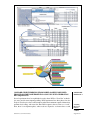
In this chapter, we describe using a common platform, GeneSifter Analysis Edition
(GSAE; a registered trademark of Geospiza, Inc.), for analyzing data from both microarray and NGS experiments. GSAE is a versatile Web-based system that can already be
used to analyze data from a wide variety of microarray platforms. We have added features for uploading large data sets, aligning data to reference sequences, and presenting
results, which make GSAE useful for NGS as well. Both kinds of data analyses share
several similar features. Data must be entered into the system and normalized. Statistical
methods must be applied to identify significant differences in gene expression. Once
significantly different expression patterns have been identified, there must be a way to
uncover the biological meaning for those results. GSAE provides methods for working with ontologies and KEGG pathways, clustering options to help identify genes that
share similar patterns of expression, and links to access information in public databases.
Data-management capabilities and quality control measures are also part of the GSAE
system.
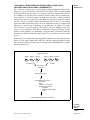
In both of the two basic protocols, we will present general methods for analyzing microarray data, follow those procedures with alternative procedures that can be used to
analyze NGS data, and discuss the differences between the microarray protocol and the
NGS alternative. Basic Protocol 1 presents a pairwise analysis of microarray data from
mice that were fed different kinds of food (Kozul et al., 2008). The protocol uses data
from the public Gene Expression Omnibus (GEO) database at the NCBI (Barrett et al.,
2009), and demonstrates normalizing the data and the analyses. Alternate Protocol 1,
for a pairwise comparison, also uses data from GEO; however, these are NGS data from
the Applied Biosystems SOLiD instrument. In Alternate Protocol 1, we use a pairwise
analysis to compare gene expression from single wild-type mouse oocytes with gene expression in mouse oocytes containing a knockout mutation for DICER, a gene involved
in processing microRNAs (Tang et al., 2009).
Basic Protocol 2 presents a general method for analyzing microarray data from samples
that were obtained after multiple conditions were applied. In this study, mice were fed two
kinds of food and exposed to increasing concentrations of arsenic in their water (Kozul
et al., 2008). This protocol includes ANOVA and demonstrates options for Principal
Component Analysis, clustering data by samples or genes, and identifying expression
patterns from specific gene families. Alternate Protocol 2, a variation on Basic Protocol
2, describes an analysis of NGS data from the Illumina GA analyzer, comparing samples
from three different tissues (Mortazavi et al., 2008). Cluster analysis is included in this
procedure as a means of identifying genes that are expressed in a tissue-specific manner.
As with Basic Protocol 1, these studies use data from public repositories, in this case,
GEO and the NCBI Short Read Archive (SRA; Wheeler et al., 2008). It should be noted
for both protocols that GSAE contains alternatives to the statistical tools used in these
procedures and that other tools may be more appropriate, depending on the individual
study.
Analyzing Gene
Expression Data
Using GeneSifter
7.14.2
Supplement 27
Current Protocols in Bioinformatics