1
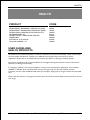
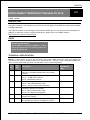
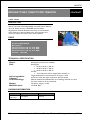
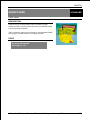
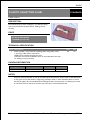
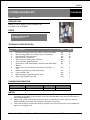
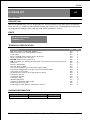
INTRODUCTION CATAGORIES OF ITEMS Contracted Items: marked “ CONTRACT ” The Global Supplies Unit has set up and manages a series of global framework contracts for commonly requested items. The selection of suppliers for these contracts was based on open international tender and we have agreed prices, lead times and other service parameters with key suppliers in each area. Should programmes wish to place orders from these contracts this must be done through the Global Supplies Unit in London. Country programmes are not required to buy items through the Global Supplies Unit, even for items on contract. International procurement should be considered by programmes when the goods and services required are not available on the local market to the right quality, quantity, timeframe or cost in line with the project needs, and it is better value taking into account import costs and restrictions. Local procurement is preferred, if it is better value for money and quality can be assured, to promote the local economy and have a positive impact on the environment. In order to request quotations from the Global Supplies Unit, country programmes can send an e-mail outlining the specifications and quantity of the goods required. If you require any specific donor rules to be followed then you must notify us of what the requirements are. Within 7 days of days of receiving a clear quotation request, we will send quotations back to the programme to make a decision. Confirmed international orders will only be accepted if they are on the SCUK standard International Request Form and approved by the Country Director. We aim to ensure all items are despatched from supplier within 4 weeks of receipt of a fully completed International Request Form (transit times for goods would be in addition to this agreed despatch lead time and must be also taken into consideration). If, for reasons out of our control this 4 week lead time cannot be met, we will inform the country programme as early as possible to minimise any problems caused. For medical orders and whilst we are dealing with a rapid onset large scale emergency elsewhere, it is possible that the Global Supplies Unit may not be able to meet this 4 week lead time. We manage contracts with freight forwarders and charter agents who are based in Europe but can, through their global networks, arrange transport to any destination. Door-to-door customs clearance can be provided through freight agents but the customs costs and any excise or importation duties required will be incurred by the country programme. Standard Items: marked “ STANDARD ” Many of the items specified in the catalogue are not under contract at the Global Supplies Unit. For these items, a general specification and pricing guidance has been provided in order to outline Save the Children recommended standards for these items. Emergency Kits: marked “ KIT ” The Standard Emergency Response Kits have been compiled by the Technical Advisors and Emergencies Logistics team at Save the Children UK as a key Emergency Preparedness tool. The kits should be used in conjunction with the Emergency Standard Operating Procedures to inform preparedness and response planning. The kits specifications aim to give emergency programme managers and logistics teams a useful tool for: Knowing the contents of kits likely to be used in first phase response Knowing how much they are likely to cost, their weight, and despatch times These kits can often be purchased locally, as the materials are usually readily available. For rapid response, or contexts where the local market will not support timely purchase and assembly of suitable specification or quality materials, these kits can be sourced internationally. 3 Save the Children – Standard Products Catalogue – January 2011