1
1.2: Zones
The Summit 3208GLD comprises 8 on-board zones and is expandable to a total of 32 zones. Both hardwire
and wireless zone expanders are available. You can precisely configure each zone to suit a wide variety of
applications.
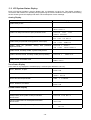
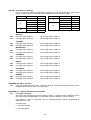
Zone Descriptors
Each zone can be assigned an individual zone descriptor. You can choose these from the standard zone
descriptor library or from one of the four custom zone descriptors that are programmable to suit the
installation.
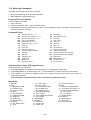
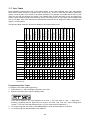
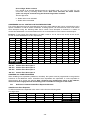
Zone Type
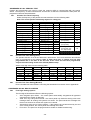
One of fifteen zone types can be defined for each zone. The zone type dictates the nature of a specific
zone’s operation. The following is an explanation of each zone type.
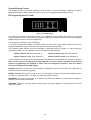
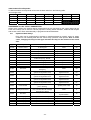
Perimeter and Interior Zones
Different methods of arming the system rely on the definition of zones as perimeter or interior. For example,
when the user wishes to remain on the premises, STAY arming secures only perimeter zones allowing free
movement within the protected area. Perimeter and Interior zones can be defined as ‘Normal’, ‘Primary’,
‘Secondary’ or ‘Conditional’.
Normal Zone: A normal zone generates an alarm when opened.
Primary and Secondary Zones: Primary zones never actually generate an alarm; they are always used in
conjunction with secondary zones. A secondary zone will generate an alarm only if opened during the entry
delay of a primary zone. These zones are intended for use in situations where the primary zone is an
unprotected area that is crossed by an intruder to reach the area protected by the secondary zone. This
rules out the need to compromise the sensitivity of the devices installed in the secondary zone to achieve
maximum false alarm immunity.
Conditional Zone: Conditional zones do not generate an alarm when opened during the entry delay otherwise, an alarm is generated instantly. These zones can be used for detectors protecting the area in
which a keypad has been installed or the area crossed in order to reach the keypad.
24hr zones
24hr zones are always operational regardless of system status and will generate an instant alarm when
opened. If an exit/entry delay is defined for a 24hr zone, it will be ignored by the system.
Fire and Verified Fire Zones: Fire zones are designed for use with smoke detectors. A fire zone will generate
an instant alarm when opened. Verified fire zones will not sound an alarm and will not send a message to
the central station unless a second detection has been made within a minute of the first. The Summit
3208GLD control panel can be programmed to enable automatic or manual power reset for latching smoke
detectors (see address 495).
Emergency/Holdup: Emergency/Holdup zones are 24hr zones designed for use with panic buttons in the
case of holdup situations, medical emergencies etc. It is recommended that glassbreak detectors be
connected to Emergency/Holdup zones.
Tamper: This zone type is used with tamper switches and is designed to prevent unauthorized opening of
the metal housing.
Common Zone
A common zone belongs to all systems. An alarm will only be generated from a common zone if all the subsystems are armed. Common zones are generally used in partitioned systems where a corridor is shared by
more than one protected area. Note: When arming, if the only zones open are common zones, the
system is still “Ready”.
Keyswitch zones
Two zone types offering different operational modes are available for use with a momentary keyswitch.
On/Off STAY and On/Off AWAY: A keyswitch zone can be defined to either STAY or AWAY arm the system.
Swinger Zones
Swinger zones limit the amount of alarms that can be sent from a specific zone within a predetermined time
period. This feature is designed for use with zones that are highly prone to false alarms. The swinger
parameters are programmed at address 388 and at the second address for each specific zone.
-5-