1
APPLICATION NOTE
SH7262/SH7264 Group
Reading/Writing EEPROM
R01AN0068EJ0101
Rev. 1.01
Feb.10, 2012
Using I2C Bus Interface 3 Interrupts
Summary
This application note describes examples of reading/writing EEPROM using the SH7262/SH7264 Microcomputers
(MCUs) I2C Bus Interface 3 (IIC3) transmission and reception in single master mode and interrupts.
Target Device
SH7262/SH7264 MCU (In this document, SH7262/SH7264 are described as SH7264.)
Contents
1.
Introduction........................................................................................................................................ 2
2.
Applications ....................................................................................................................................... 3
3.
Sample Program Listing.................................................................................................................. 18
4.
References ...................................................................................................................................... 37
R01AN0068EJ0101 Rev. 1.01
Feb.10, 2012
Page 1 of 38
SH7262/SH7264 Group
1.
Reading/Writing EEPROM
Using I2C Bus Interface 3 Interrupts
Introduction
1.1
Specifications
• Specifies the SH7264 MCU as the master device, and EEPROM as the slave device to write data to EEPROM
• Specifies the SH7264 MCU as the master device, and EEPROM as the slave device to read data from EEPROM
• The transfer rate is set to 391 kHz
• Uses interrupts for transmit end and receive data full
Note: Set the transfer rate to satisfy the EEPROM specifications.
1.2
Modules Used
• I C Bus Interface (IIC3)
• Interrupt Controller (INTC)
2
1.3
Applicable Conditions
MCU
Operating Frequency
Integrated Development
Environment
C Compiler
Compiler Options
1.4
SH7262/SH7264
Internal clock: 144 MHz
Bus clock: 72 MHz
Peripheral clock: 36 MHz
Renesas Electronics Corporation
High-performance Embedded Workshop Ver.4.07.00
Renesas Electronics SuperH RISC engine Family
C/C++ compiler package Ver.9.03 Release 00
Default setting in the High-performance Embedded Workshop
(-cpu=sh2afpu -fpu=single -debug -gbr=auto -global_volatile=0
-opt_range=all -infinite_loop=0 -del_vacant_loop=0 -struct_alloc=1)
Related Application Notes
For more information, refer to the following application notes:
• SH7262/SH7264 Group Example of Initialization
• SH7262/SH7264 Group I2C Bus Interface 3 Reception in Single-Master Mode (Read from EEPROM)
• SH7262/SH7264 Group I2C Bus Interface 3 Transmission in Single-Master Mode (Write in EEPROM)
1.5
About Active-low Pins (Signals)
The symbol "#" suffixed to the pin (or signal) names indicates that the pins (or signals) are active-low.
1.6
Hardware Conditions
This application may be run on the RSK+ for the SH7264 if an IIC EEPROM is added. This may be done by adding a
header at J12 and a small PCB with the EEPROM. Refer to RSK+SH7264 User Manual, REG10J0171 for details.
Please see section 2.3 of this App note for the specific EEPROM part number.
R01AN0068EJ0101 Rev. 1.01
Feb.10, 2012
Page 2 of 38
SH7262/SH7264 Group
2.
Reading/Writing EEPROM
Using I2C Bus Interface 3 Interrupts
Applications
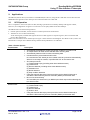
The SH7264 (master device) writes data to an EEPROM (slave device) using the IIC3 and then receives data from the
EEPROM. This application uses interrupts for transmit end and receive data full.
2.1
IIC3 Operation
IIC3 is compliant to the I2C bus (Inter IC Bus) interface specifications invented by Phillips and supports subsets,
However, the configuration of registers to control the I2C bus partly differs from that of Philips.
The SH7264 IIC3 has the following features:
• Format options selectable, I2C bus format or clocked synchronous serial format
• Transmits or receives data continuously
As the shift register, transmit data register and receive data register are separate registers, IIC3 can transmit and
receive data continuously.
Table 1 lists the features of two format options. Figure 1 shows the IIC3 block diagram. For details on IIC3, refer to I2C
Bus Interface 3 chapter in the SH7262 Group, SH7264 Group Hardware User’s Manual.
Table 1 Format Options
Format Name
I2C Bus Format
Clocked Synchronous
Serial Format
Description
• Automatically generates the START and STOP conditions in master mode
• An output level of an ACK can be selected when receiving data
• Automatically loads an ACK bit when transmitting data
• Includes the bit synchronization/wait function
IIC3 monitors the SCL status per bit in master mode to synchronize automatically.
When it is not ready for transfer, it specifies the SCL to low level to wait
• Six interrupt sources
(1) Transmit data empty (including when slave address match)
(2) Transmit end
(3) Receive data full (including when slave address match)
(4) Arbitration lost
(5) NACK detection
(6) Stop condition detection
• Using the transmit data empty interrupt and the receive data full interrupt to
activate the Direct Memory Access Controller (DMAC) and transfer data
• Bus can be driven directly
SCL and SDA pins are driven by an NMOS open-drain output when selecting the
bus drive function
• Four interrupt sources
(1) Transmit data empty
(2) Transmit end
(3) Receive data full
(4) Overrun error
• Using the transmit data empty interrupt and the receive data full interrupt to
activate the Direct Memory Access Controller (DMAC) and transfer data
R01AN0068EJ0101 Rev. 1.01
Feb.10, 2012
Page 3 of 38
SH7262/SH7264 Group
Reading/Writing EEPROM
Using I2C Bus Interface 3 Interrupts
Transfer clock
generation
circuit
SCL
Transmission/
reception
control circuit
Output
control
ICCR1
ICCR2
ICMR
Noise filter
SDA
Output
control
ICDRS
Peripheral bus
ICDRT
SAR
Address
comparator
Noise canceler
ICDRR
NF2CYC
Bus state
decision circuit
Arbitration
decision circuit
[Legend]
ICCR1:
ICCR2:
ICMR:
ICSR:
ICIER:
ICDRT:
ICDRR:
ICDRS:
SAR:
NF2CYC:
ICSR
ICIER
I2C bus control register 1
I2C bus control register 2
I2C bus mode register
I2C bus status register
I2C bus interrupt enable register
I2C bus transmit data register
I2C bus receive data register
I2C bus shift register
Slave address register
NF2CYC register
Interrupt
generator
Interrupt
request
Figure 1 IIC3 Block Diagram
R01AN0068EJ0101 Rev. 1.01
Feb.10, 2012
Page 4 of 38
SH7262/SH7264 Group
2.2
Reading/Writing EEPROM
Using I2C Bus Interface 3 Interrupts
IIC3 Setting Procedure
This section describes how to set up IIC3. Make sure to specify the transfer rate to satisfy EEPROM electrical
characteristics. Pφ/92 is specified in the sample program. Figure 2 shows the flow chart for configuring IIC3. For more
information about the register setting, refer to the SH7262 Group, SH7264 Group Hardware User’s Manual.
• Enable supplying the clock to IIC3 channel 1 (STBCR5)
Clear MSTP56 (module stop 56) bit to 0
Function: Supply the clock to IIC3 channel 1
Start
Set Standby control register 5 STBCR5)
• Set port E pin (PECR0)
Specify PE2MD (PE2 mode) bit to 1
Function: Set SCL1 pin
Specify PE3MD (PE3 mode) bit to 1
Function: Set SDA1 pin
Set Port E control register 0 (PECR0)
Set I2C bus control register 1 (ICCR1_1)
• Set I2C bus control register 1 (ICCR1_1)
Specify the ICE (I2C Bus Interface 3 enable) bit to 1
Function: Module is enabled to operate
Specify the RCVD (Receive disable) bit to 0
Function: Continue to the next reception
Specify the MST (Master/Slave select) bit to 1
Function: Master mode
Specify the TRS (Transmission/reception select) bit to 0
Function: Receive mode
Specify the CKS (Transfer clock select) bit to 5
Function: P-clock/92
Set the I2C bus mode register (ICMR_1)
• Set the I2C bus mode register (ICMR_1)
Specify the MLS (MSB first/LSB first select) bit to 0
Function: MSB first
Specify the BCWP (BC write protect) bit to 0
Function: Specify BC [2:0] values when writing data
Specify the BC (Bit counter) bit to 0
Function: 9 bits
Set the I2C bus interrupt enable register
(ICIER_1)
Set Interrupt priority register 16 (IPR16)
• Set the I2C bus interrupt enable register (ICIER_1)
Function: Disable all interrupts
• Set Interrupt priority register 16
Function: Set the interrupt priority at IIC3 channel 1
End
Figure 2 IIC3 Configuration Flow Chart
R01AN0068EJ0101 Rev. 1.01
Feb.10, 2012
Page 5 of 38
SH7262/SH7264 Group
2.3
Reading/Writing EEPROM
Using I2C Bus Interface 3 Interrupts
Sample Program Operation
The sample program specifies IIC3 in master transmit mode to write 10-byte data in pages (page write). From byte 20
and above, it uses the transmit end interrupt (TEI) to write data to the register. Then, it specifies IIC3 in master receive
mode to read 10-byte data sequentially (sequential read) and uses the receive data full interrupt (RXI) to read data from
the register.
For device codes, refer to the EEPROM data sheet provided by the manufacturer. The sample program uses the device
code "B'1010". The sample program uses the device address "B'000". For more information, refer to the EEPROM data
sheet provided by the manufacturer.
The memory address indicates the write start address or read start address, and the address is incremented at every time
writing or reading to/from EEPROM. Figure 3 shows the page write operation. Figure 4 shows the sequential read
operation. Figure 5 shows the operating environment of the sample program.
The sample program is tested with the EEPROM (part number: R1EX24128ASA00A, Renesas Electronics).
Device
code
Device
address
1st memory
address
2nd memory
address
Write data 1
Write data 10
*1 *2
1
0
1
0
0
0
A
1
4
A
W C
K
0
Start
A
1
3
A
1
2
A
1
1
A
1
0
A
9
A
C
K
A
8
A
7
A
6
A
5
A
4
A
3
A
2
A
1
A
0
A
C
K
D
7
D
6
D
5
D
4
D
3
D
2
D
1
D
0
A
C
K
D
5
D
4
D
3
D
2
D
1
D
0
A
C
K
R/W
Stop
Notes:
1. Don't care bits for 128k and 256k.
2. Don't care bit for 128k.
Figure 3 Page Write Operation
Device
code
Device
address
1st memory
address
2nd memory
address
Device
code
Device
address
Read data 1
Read data 10
*1 *2
1
Start
0
1
0
0
0
0
A
W C
K
A
1
4
A
1
3
A
1
2
A
1
1
A
1
0
A
9
A
8
A
C
K
A
7
A
6
A
5
A
4
A
3
A
2
A
1
A
0
A
C
K
1
0
1
0
0
0
0
R
A
C
K
D
7
D
6
D
5
D
4
D
3
D
2
D
1
D
0
A
C
K
Start
R/W
D
5
D
4
D
3
D
2
D
1
D
0
N
A
C
K
Stop
Sequential read
Notes:
1. Don't care bits for 128k and 256k
2. Don't care bit for 128k
Figure 4 Sequential Read Operation
SH7262/SH7264
CLK
EXTAL
EEPROM
PE2/SCL1
SCL
PE3/SDA1
SDA
Figure 5 Sample Program Operating Environment
R01AN0068EJ0101 Rev. 1.01
Feb.10, 2012
Page 6 of 38
SH7262/SH7264 Group
2.4
Reading/Writing EEPROM
Using I2C Bus Interface 3 Interrupts
Sample Program Procedure
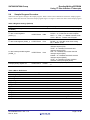
Table 2 lists the register settings in the sample program. Table 3 lists the macro definitions used in the sample program.
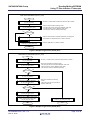
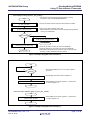
Figure 7 shows the structures used in the sample program Figure 7 to Figure 17 show flow charts of the sample program.
Table 2 Register Settings (Default)
Register Name
Standby control register 5
(STBCR5)
Address
Setting
Description
H'FFFE 0410
H'00
MSTP56 = "0": IIC3 channel 1 is operating
I2C bus control register 1
(ICCR1_1)
H'FFFE E400
H'B5
I2C bus mode register (ICMR_1)
H'FFFE E402
H'30
I2C bus interrupt enable register
(ICIER_1)
H'FFFE E403
H'00
Interrupt priority register 16
H'FFFE 0C14
H'0050
ICE = "1": SCL/SDA pins are driven by bus
RCVD = "0": Continues the next reception
MST = "1", TRS = "1": Master transmit mode
CKS = "B'0101": Transfer rate is Pφ/92
MLS = "0": MSB first
BCWP = "0": Sets BC value when writing
BC = "B'000": 9 bits
TIE = "0": Disables the transmit data empty
interrupt request (TXI)
TEIE = "0": Disables the transmit end
interrupt request (TEI)
RIE = "0": Disables the receive data full
interrupt request (RXI)
NAKIE = "0": Disables the NACK receive
interrupt request (NAKI)
STIE = "0": Disables the stop condition
detection interrupt request (STPI)
Sets the interrupt priority at IIC3 channel 1 to
5
Table 3 Macro Definitions
Macro Definitions
EEPROM_MEM_ADDR
DEVICE_CODE
DEVICE_ADDR
IIC_DATA_WR
IIC_DATA_RD
IIC3_DATA
E_OK
E_ERR
IIC3_IDOL
IIC3_NACK
IIC3_SEND
IIC3_RECV
R01AN0068EJ0101 Rev. 1.01
Feb.10, 2012
Setting
H'0000
H'A0
H'00
H'00
H'01
10
0
−1
0
1
2
3
Function
EEPROM start address
Device code
Device address
Write code
Read code
Data transfer size
Normal end
Error end
Indicates that IIC3 is in idle state
Indicates that IIC3 ends with receiving NACK
Indicates that IIC3 is transmitting data
Indicates that IIC3 is receiving data
Page 7 of 38
SH7262/SH7264 Group
Reading/Writing EEPROM
Using I2C Bus Interface 3 Interrupts
Structure variables to define IIC3 control information (iic3_info)
typedef enum{
IIC3_IDOL=0,
/*
/*
/*
/*
/*
IIC3_NACK,
IIC3_SEND,
IIC3_RECV,
}IIC3_MODE;
typedef struct{
volatile IIC3_MODE mode;
unsigned char *buffer;
int count;
IIC3 is in idle state */
(transmission/reception is completed) */
IIC3 ends with receiving NACK */
IIC is transmitting data (using transmit interrupt) */
IIC is receiving data (using receive interrupt) */
/* IIC3 state */
/* Pointer to control the destination when transmitting or */
/* receiving data continuously */
/* Remaining data size when transmitting or */
/* receiving data */
}IIC3_INFO;
static IIC3_INFO iic3_info;
iic3_info.mode state transition diagram
Transmit
end interrupt
io_iic3_mst_send_sync
function is executed
Receiving all data
is completed
Receive data full
interrupt
IIC3_RECV
IIC3_IDOL
IIC3_SEND
Transmitting all data
is completed
io_iic3_mst_recv_sync function is
executed
NACK
receive
Error
handling
IIC3_NACK
Figure 6 Structures
R01AN0068EJ0101 Rev. 1.01
Feb.10, 2012
Page 8 of 38
SH7262/SH7264 Group
Reading/Writing EEPROM
Using I2C Bus Interface 3 Interrupts
Main flow
Start
Initialize the buffer to store the read data
Initialize the write data
Initialize IIC3 (io_iic3_init)
Write data to EEPROM
(eeprom_write)
Acknowledge Polling
(eeprom_ack_polling)
• Refer to Figure 2, IIC3 Configuration Flow Chart
• Set IIC3 in master transmit mode to 10-byte data. Then, use the
transmit end interrupt (TEI) to write data to the I2C bus transmit data
register (ICDRT).
When transmitting all data is completed, it returns to main function.
• Wait until the EEPROM data is replaced
No
ACK received?
Yes
Read data from EEPROM
(eeprom_read)
• Set IIC3 in master receive mode to read 10-byte data from EEPROM.
Then, use the receive data full interrupt (RXI) to read data from the I2C
bus receive data register (ICDRR).
When issuing the stop condition and reading all data is completed, it
returns to main function.
Compare the write data and read data
End
Figure 7 Sample Program Flow Chart (1/11)
R01AN0068EJ0101 Rev. 1.01
Feb.10, 2012
Page 9 of 38
SH7262/SH7264 Group
Reading/Writing EEPROM
Using I2C Bus Interface 3 Interrupts
Write data to EEPROM (eeprom_write)
Start
Issue the start condition
(io_iic3_mst_start)
Transmit the slave device address
(io_iic3_mst_send_sync)
No
• Set IIC3 in master transmit mode and issue the start condition
• Use IIC3 to transmit the following codes:
The first byte: device code, device address, write code
The second byte: memory address (upper byte)
The third byte: memory address (lower byte)
ACK received?
Yes
Write data (io_iic3_mst_send_sync)
Issue stop condition, slave receive
mode (io_iic3_mst_send_end)
• Use IIC3 to transmit the write data specified by the argument.
Transmission is suspended when no ACK is received.
• Return E_ERR when no ACK is received
End
Figure 8 Sample Program Flow Chart (2/11)
Read data from EEPROM (eeprom_read)
Start
Issue the start condition
(io_iic3_mst_start)
Transmit the slave device address
(io_iic3_mst_send_sync)
ACK received?
• Set IIC3 in master transmit mode and issue the start condition
• Use IIC3 to transmit the following codes:
The first byte: device code, device address, write code
The second byte: memory address (upper byte)
The third byte: memory address (lower byte)
No
Yes
Issue the start condition again
(io_iic3_mst_restart)
Transmit a command (read data)
(io_iic3_mst_send_sync)
ACK received?
• Use IIC3 to transmit the following
codes:
The fourth byte: device code, device
address, read code
No
Yes
Read data
(io_iic3_mst_recv_sync)
Issue the stop condition, slave receive
mode, read the last receive data
(io_iic3_mst_recv_end)
Issue the stop condition, slave receive
mode (io_iic3_mst_send_end)
End
End
Figure 9 Sample Program Flow Chart (3/11)
R01AN0068EJ0101 Rev. 1.01
Feb.10, 2012
Page 10 of 38
SH7262/SH7264 Group
Reading/Writing EEPROM
Using I2C Bus Interface 3 Interrupts
Acknowledge polling (eeprom_ack_polling)
• This function executes the acknowledge polling. For more
information, refer to the EEPROM datasheet.
Start
Issue the start condition
(io_iic3_mst_start)
• Set IIC3 in master transmit mode and issue the start condition
Transmit commands
(io_iic3_mst_send_sync)
• Device code, device address, write code
Note: Read/write codes used for the acknowledge polling depends
on the type of EEPROM.
No
ACK received?
Issue the stop condition, slave receive
mode (io_iic3_mst_send_end)
Yes
End (E_ERR)
Issue the stop condition, slave receive
mode (io_iic3_mst_send_end)
End (E_OK)
• Return E_OK when receiving an ACK from EEPROM
• Return E_ERR when not receiving an ACK from EEPROM
• EEPROM is writing dat auntil it returns an ACK. During the write
operation, all SCL and SDA inputs are ignored.
Figure 10 Sample Program Flow Chart (4/11)
Issue the start condition (io_iic3_mst_start)
Start
No
Bus is
released?
• Wait until the BBSY bit in I2C bus control register 2
is set to 0
Yes
Set IIC3 in master transmit mode
Issue the start condition
• Set bits MST and TRS in ICCR1 register to 1
• Set the BBSY bit in ICCR2 register to 1, the SCP bit
in ICCR2 register to 0
End
Issue the start condition again (io_iic3_mst_restart)
Start
Issue the start condition
• Set the BBSY bit in ICCR2 register to 1, the SCP bit
in ICCR2 register to 0
End
Figure 11 Sample Program Flow Chart (5/11)
R01AN0068EJ0101 Rev. 1.01
Feb.10, 2012
Page 11 of 38
SH7262/SH7264 Group
Reading/Writing EEPROM
Using I2C Bus Interface 3 Interrupts
Issue the stop condition, slave receive mode (io_iic3_mst_send_end)
Start
Clear the transmit end bit
Clear the stop condition detection flag
Issue the stop condition
No
Stop condition
detected?
• This function is used to issue the stop condition after
transmitting data in master transmit mode.
• Clear bits TEND and STOP in the I2C bus status
register (ICSR)
• Set bits BBSY and SCP in ICCR2 register to 0
• Wait until the STOP bit is set to 1
Yes
Set IIC3 in slave receive mode
Clear the transmit data empty bit
• Set bits MST and TRS in ICCR1 register to 0
• Clear the TDRE bit in the ICSR register
End
Figure 12 Sample Program Flow Chart (6/11)
Issue the stop condition, slave receive mode, read the last receive data
(io_iic3_mst_recv_end)
• This function is used to issue the stop condition after
receiving data in master receive mode.
Start
No
SCL is low?
• Wait for the falling edge of the 9th clock of SCL
(Refer to the Renesas technical update [TN-MC*-A020A/E])
Yes
Clear the stop condition detection
flag
Issue the stop condition
No
Stop condition
detected?
• Clear bits TEND and STOP in the I2C bus status
register (ICSR)
• Set bits BBSY and SCP in ICCR2 register to 0
• Wait until the STOP bit is set to 1
Yes
Read the last receive data
Disable the next reception
Set IIC3 in slave receive mode
• Set bits RCVD, MST, and TRS in ICCR1
register to 0
End
Figure 13 Sample Program Flow Chart (7/11)
R01AN0068EJ0101 Rev. 1.01
Feb.10, 2012
Page 12 of 38
SH7262/SH7264 Group
Reading/Writing EEPROM
Using I2C Bus Interface 3 Interrupts
IIC3 in master transmit mode (io_iic3_mst_send_sync)
Start
No
IIC3 is in
idle state?
Ends in error when the iic3_info.mode is not equal to IIC3_IDOL
END(E_ERR)
Yes
Set the structure of IIC3 control information
• Write the first byte of the transmit data (iic3_info.buffer) in the
I2C bus transmit data register (ICDRT)
Write the transmit data
• Decrement the iic3_info.count
Count the remaining transmit data
Enable the transmit end interrupt (TEI)
No
• iic3_info.mode = IIC3_SEND (transmitting data)
iic3_info.buffer = Transmit buffer address specified by an argument
iic3_info.count = Transmit data size specified by an argument
• Set the TEIE bit in the ICIER register to 1
Use the transmit end interrupt (TEI) to transmit data from bytes
2 and above
• Check the iic3_info.mode and wait until the transmission is completed
When all transmission is completed successfully: mode = IIC3_IDOL
When transmission is suspended without an ACK: mode = IIC3_NACK
During transmission: mode = IIC3_SEND
Transmission is
completed?
Yes
No
Normal end
Set IIC3 in idle state
Yes
End (E_OK)
• Set iic3_info.mode to IIC3_IDOL
End (E_ERR)
Figure 14 Sample Program Flow Chart (8/11)
R01AN0068EJ0101 Rev. 1.01
Feb.10, 2012
Page 13 of 38
SH7262/SH7264 Group
Reading/Writing EEPROM
Using I2C Bus Interface 3 Interrupts
Transmit end interrupt (io_iic3_tei_interrupt)
Start
No
NACK
received?
• Read the ACKBR bit in the ICIER register to check if an
ACK is returned from EEPROM
0: ACK is returned
1: ACK is not returned (NACK is returned)
Yes
Save the error end by returning a NACK
Suspend the transmission
(Disable the transmit end interrupt)
• Set the iic3_info.mode to IIC3_NACK
• Set the TEIE bit in the ICIER register to 0
End
No
No remaining
data?
Yes
Save the normal end
• Set the iic3_info.mode to IIC3_IDOL
Complete the transmission
(Disable the transmit end interrupt)
End
Write the next transmit data to the register
Count the remaining data
• Write the transmit data in the iic3_info.buffer to the
ICDRT register
• Decrement the iic3_info.count
End
Figure 15 Sample Program Flow Chart (9/11)
R01AN0068EJ0101 Rev. 1.01
Feb.10, 2012
Page 14 of 38
SH7262/SH7264 Group
Reading/Writing EEPROM
Using I2C Bus Interface 3 Interrupts
IIC3 in master receive mode (io_iic3_mst_recv_sync)
Start
IIC3 is in
idle state?
Yes
• Ends in error when the iic3_info.mode is not equal to IIC3_IDOL
No
END(E_ERR)
Set the structure of IIC3 control information
• iic3_info.mode = IIC3_RECV (receiving data)
• iic3_info.buffer = Receive buffer address specified by an argument
• iic3_info.count = Receive data size specified by an argument
Disable interrupts
• Clear the TEND bit in the ICSR register
Clear the transmit end bit
Set IIC3 in master receive mode
• Set the MST bit in ICCR1 register to 1, and the TRS bit in ICCR1
register to 0 (master receive mode)
Clear the transmit data empty bit
• Clear the TDRE bit in the ICSR register
Disable the next reception
Receive size =
1 byte?
• Set the RCVD bit in ICCR1 register to 1
No
Yes
Set to return NACK
Start the reception (dummy read)
Set to return ACK
• Set the ACKBT in the ICIER register
• Dummy read the I2C bus receive data register (ICDRR) start
receiving data
Enable interrupts
Enable the receive data full interrupt
Reception
completed?
• Set the RIE bit in the ICIER register to 1
Use the receive data full interrupt (RXI) to handle the receive
data
• Check the iic3_info.mode and wait until the reception is
completed
When all reception is completed successfully: IIC3_IDOL
During transmission: IIC3_RECV
End
Figure 16 Sample Program Flow Chart (10/11)
R01AN0068EJ0101 Rev. 1.01
Feb.10, 2012
Page 15 of 38
SH7262/SH7264 Group
Reading/Writing EEPROM
Using I2C Bus Interface 3 Interrupts
Receive data full interrupt (io_iic3_rxi_interrupt)
Start
Count the remaining data
No
• Decrement the iic3_info.count
More than
2 bytes?
Yes
Read the receive data from the register
• Read the receive data from the ICDRR register to
the iic3_info.buffer
End
No
1 byte left?
Yes
Set to return NACK
• Set the ACKBT bit in the ICIER register to 1
Read the receive data from the register
End
Complete the reception
(Disable the receive data full interrupt)
Save the normal end
• Set the RIE bit in the ICIER register to 0
• Set the ic3_info.mode to IIC3_IDOL
End
Figure 17 Sample Program Flow Chart (11/11)
R01AN0068EJ0101 Rev. 1.01
Feb.10, 2012
Page 16 of 38
SH7262/SH7264 Group
2.5
Reading/Writing EEPROM
Using I2C Bus Interface 3 Interrupts
Notes for Master Receive Mode
When reading the I2C bus receive data register (ICDRR) at the falling edge of around the 8th clock, the receive data may
not be retrieved.
When the receive buffer is full and specifying the receive disable bit (RCVD) in the ICDRR at the falling edge of
around the 8th clock, STOP condition may not be issued. Use either one of the methods below.
The sample program sets the RCVD bit to 1 to receive a single byte at a time.
1. Read the ICDRR in master receive mode before the rising edge of the 8th clock.
2. Set the RCVD bit to 1 and receive a single byte at a time in master receive mode.
2.6
Notes for Setting the ACKBT Bit in Master Receive Mode
When IIC3 is in master receive mode, set the ACKBT bit before falling the 8th SCL signal of the last data which is
continuously transferred. Otherwise, a slave device may overrun.
As the sample program sets the RCVD bit to 1 to receive a single byte at a time, this note is not applicable.
2.7
Notes for Issuing the Stop Condition or Start Condition Again in Master
Receive Mode
When issuing the stop condition or start condition again at the falling edge of the SCL 9th clock, an additional cycle is
output after the 9th clock. Make sure to issue the stop condition or start condition again after receiving data in master
receive mode, and the falling of the SCL 9th clock.
How to make sure the falling of the SCL 9th clock:
• Check the RDRF (receive data register full) bit in the ICSR register is set to 1, and then check the SCLO bit (SCL
monitor) in the ICCR2 register is set to 0 (SCL pin is low).
For more information, refer to the Renesas Technical Update (document number: TN-MC*-A020A/E).
2.8
Notes for Using the IICRST Bit
When writing 0 to the ICE bit in ICCR1 register or writing 1 to the IICRST bit in ICCR2 register while I2C bus is
operating, the BBSY bit in ICCR2 register and STOP bit in the ICSR register are not defined.
For more information, refer to the Renesas Technical Update (document number: TN-MC*-A022A/E).
R01AN0068EJ0101 Rev. 1.01
Feb.10, 2012
Page 17 of 38
SH7262/SH7264 Group
3.
3.1
Reading/Writing EEPROM
Using I2C Bus Interface 3 Interrupts
Sample Program Listing
Supplement to the Sample Program
As the capacity of the SH7264 large-capacity internal RAM varies as 1 MB or 640 KB, depending on the MCU type,
the section alignment and register setting must be partly altered. To support both MCU types, this application note
provides two types of sample programs (workspaces) for 1-MB RAM and 640-KB RAM.
As the MCU with 640-KB RAM must be write-enabled before writing data in the data-retention RAM, the System
control register 5 (SYSCR5) is set to write-enable the RAM in the sample program for 640-KB RAM.
Review your product and use the appropriate workspace.
R01AN0068EJ0101 Rev. 1.01
Feb.10, 2012
Page 18 of 38
SH7262/SH7264 Group
3.2
Reading/Writing EEPROM
Using I2C Bus Interface 3 Interrupts
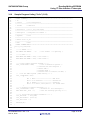
Sample Program Listing "main.c" (1/6)
1
/*******************************************************************************
2
*
3
*
4
*
This software is supplied by Renesas Electronics Corporation and is only
5
*
intended for use with Renesas products.
6
*
7
*
This software is owned by Renesas Electronics Corporation and is protected under
8
*
all applicable laws, including copyright laws.
9
*
10
*
THIS SOFTWARE IS PROVIDED "AS IS" AND RENESAS MAKES NO WARRANTIES
11
*
REGARDING THIS SOFTWARE, WHETHER EXPRESS, IMPLIED OR STATUTORY,
12
*
INCLUDING BUT NOT LIMITED TO WARRANTIES OF MERCHANTABILITY, FITNESS FOR A
13
*
PARTICULAR PURPOSE AND NON-INFRINGEMENT.
14
*
DISCLAIMED.
15
*
16
*
TO THE MAXIMUM EXTENT PERMITTED NOT PROHIBITED BY LAW, NEITHER RENESAS
17
*
ELECTRONICS CORPORATION NOR ANY OF ITS AFFILIATED COMPANIES SHALL BE LIABLE
18
*
FOR ANY DIRECT, INDIRECT, SPECIAL, INCIDENTAL OR CONSEQUENTIAL DAMAGES
19
*
FOR ANY REASON RELATED TO THIS SOFTWARE, EVEN IF RENESAS OR ITS
20
*
AFFILIATES HAVE BEEN ADVISED OF THE POSSIBILITY OF SUCH DAMAGES.
21
*
22
*
Renesas reserves the right, without notice, to make changes to this
23
*
software and to discontinue the availability of this software.
24
*
By using this software, you agree to the additional terms and
25
*
conditions found by accessing the following link:
26
*
http://www.renesas.com/disclaimer
27
********************************************************************************
28
*
29
*""FILE COMMENT""*********** Technical reference data **************************
30
*
System Name : SH7264 Sample Program
31
*
File Name
: main.c
32
*
Abstract
: Reading/Writing EEPROM Using IIC3 interrupt
33
*
Version
: 1.00.00
34
*
Device
: SH7262/SH7264
35
*
Tool-Chain
: High-performance Embedded Workshop (Ver.4.07.00).
36
*
37
*
38
*
OS
39
*
H/W Platform: M3A-HS64G50(CPU board)
40
*
Description :
41
********************************************************************************
42
*
43
*""FILE COMMENT END""**********************************************************/
44
#include <machine.h>
45
#include "iodefine.h"
DISCLAIMER
No other uses are authorized.
ALL SUCH WARRANTIES ARE EXPRESSLY
Copyright (C) 2010 Renesas Electronics Corporation. All rights reserved.
: C/C++ compiler package for the SuperH RISC engine family
:
History
(Ver.9.03 Release00).
: None
: Aug.17,2010 Ver.1.00.00
/* SH7264 iodefine
*/
46
R01AN0068EJ0101 Rev. 1.01
Feb.10, 2012
Page 19 of 38
SH7262/SH7264 Group
3.3
Reading/Writing EEPROM
Using I2C Bus Interface 3 Interrupts
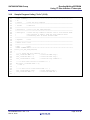
Sample Program Listing "main.c" (2/6)
47
/* ==== symbol definition ==== */
48
#define EEPROM_MEM_ADDR 0x0000
49
#define DEVICE_CODE 0xA0
/* EEPROM device code
50
#define DEVICE_ADDR 0x00
/* EEPROM device address:b'000
*/
51
#define IIC_DATA_WR 0x00
/* Data write code
:b'0
*/
52
#define IIC_DATA_RD 0x01
/* Data read code
:b'1
*/
53
#define DATA_LENGTH 10
:b'1010
*/
54
55
#define E_OK 0
56
#define E_ERR -1
57
58
/* ==== RAM allocation variable declaration ==== */
59
unsigned char ReadData[DATA_LENGTH];
60
unsigned char WriteData[DATA_LENGTH];
61
62
/* ==== prototype declaration ==== */
63
void main(void);
64
int eeprom_write(unsigned char d_code,unsigned char d_adr,unsigned short w_adr,
65
66
unsigned int w_size,unsigned char* w_buf);
int eeprom_read(unsigned char d_code,unsigned char d_adr,unsigned short r_adr,
67
unsigned int r_size,unsigned char* r_buf);
68
int eeprom_ack_polling(unsigned char d_code,unsigned char d_adr);
69
int
70
void io_iic3_mst_start(void);
71
void io_iic3_mst_restart(void);
72
void io_iic3_mst_send_end(void);
73
unsigned char io_iic3_mst_recv_end(void);
74
int
io_iic3_mst_send_sync( unsigned char *buffer, int size);
75
int
io_iic3_mst_send( unsigned char *buffer, int size);
76
int
io_iic3_mst_recv_sync( unsigned char *buffer, int size);
77
int
io_iic3_mst_recv( unsigned char *buffer, int size);
io_iic3_init(void);
78
79
/*""FUNC COMMENT""**************************************************************
80
* ID
:
81
* Outline
: Sample program main
82
*------------------------------------------------------------------------------
83
* Include
84
*------------------------------------------------------------------------------
85
* Declaration
86
*------------------------------------------------------------------------------
87
* Description
: Writes data to EEPROM using IIC3 master transmit mode.
88
*
: Reads data from EEPROM using IIC3 master receive mode.
89
*
: Use the transmit end interrupt and receive data full interrupt
90
*
: to transmit or receive data.
91
*------------------------------------------------------------------------------
92
* Argument
93
*------------------------------------------------------------------------------
94
* Return Value : void
95
*------------------------------------------------------------------------------
96
* Note
97
*""FUNC COMMENT END""**********************************************************/
:
: void main(void);
: void
: None
R01AN0068EJ0101 Rev. 1.01
Feb.10, 2012
Page 20 of 38
SH7262/SH7264 Group
3.4
Reading/Writing EEPROM
Using I2C Bus Interface 3 Interrupts
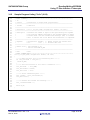
Sample Program Listing "main.c" (3/6)
98
void main(void)
99
{
100
int i,ack;
101
102
/* ==== Clears the buffer storing the data ==== */
103
for(i=0;i<DATA_LENGTH;i++){
104
ReadData[i] = 0x00;
105
}
106
/* ==== Creates the write data ==== */
107
for(i=0;i<DATA_LENGTH;i++){
108
WriteData[i] = DATA_LENGTH+i;
109
}
110
111
/* ==== Configures IIC3 ==== */
112
io_iic3_init();
113
114
/* ==== Writes data to EEPROM ==== */
115
eeprom_write(DEVICE_CODE,
116
/* Device code */
DEVICE_ADDR,
/* Device address */
117
0x0000,
/* Write start address */
118
sizeof(WriteData), /* Write data size */
119
WriteData);
/* Buffer storing data */
120
121
/* ==== Acknowledge Polling ==== */
122
while( eeprom_ack_polling(DEVICE_CODE, DEVICE_ADDR) != E_OK){
123
/* Waits until reprogramming EEPROM internally is completed */
124
}
125
126
/* ==== Reads data from EEPROM ==== */
127
eeprom_read(DEVICE_CODE,
128
DEVICE_ADDR,
/* Device code */
/* Device address */
129
0x0000,
/* Read start address */
130
sizeof(ReadData),
/* Read data size */
131
ReadData);
/* Buffer storing data */
132
133
/* ==== Compares the result ==== */
134
for(i=0; i<DATA_LENGTH; i++){
135
if( WriteData[i] != ReadData[i] ){
136
while(1){
137
/* error */
138
}
139
}
140
}
141
while(1){
142
/* Loop */
143
144
}
}
R01AN0068EJ0101 Rev. 1.01
Feb.10, 2012
Page 21 of 38
SH7262/SH7264 Group
3.5
145
Reading/Writing EEPROM
Using I2C Bus Interface 3 Interrupts
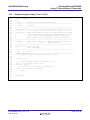
Sample Program Listing "main.c" (4/6)
/*""FUNC COMMENT""**************************************************************
146
* ID
:
147
* Outline
: Write data to EEPROM
148
*------------------------------------------------------------------------------
149
* Include
150
*------------------------------------------------------------------------------
151
* Declaration
: int eeprom_write(unsigned char d_code,unsigned char d_adr,
152
*
: unsigned short w_adr,unsigned int w_size,unsigned char* w_buf);
153
*------------------------------------------------------------------------------
154
* Description
: Writes the w_size bytes of data stored in the buffer specified
155
*
: by the w_buf to EEPROM specified by the device code (d_code),
156
*
: device address (d_adr). Specify the memory address of EEPROM by
157
*
: the w_adr.
158
*------------------------------------------------------------------------------
159
* Argument
: unsigned char d_code ; I : Device code
160
*
: unsigned char d_adr
161
*
: unsigned short w_adr ; I : Write start address
162
*
: unsigned int w_size
163
*
: unsigned char* w_buf ; I : Buffer storing the write data
164
*------------------------------------------------------------------------------
165
* Return Value : ACK received: E_OK
166
*
167
*------------------------------------------------------------------------------
168
* Note
169
*""FUNC COMMENT END""**********************************************************/
170
:
; I : Write data size
: ACK not received: E_ERR
: None
int eeprom_write(unsigned char d_code,unsigned char d_adr,unsigned short w_adr,
171
172
; I : Device address
unsigned int w_size,unsigned char* w_buf)
{
173
int ack = E_OK;
174
unsigned char send[3];
175
176
send[0] = (unsigned char)(d_code|((d_adr & 0x7)<<1)|IIC_DATA_WR);
177
send[1] = (unsigned char)((w_adr>>8) & 0x00ff);
178
send[2] = (unsigned char)(w_adr & 0x00ff);
179
180
/* ==== Issues the start condition ==== */
181
io_iic3_mst_start();
182
183
/* ==== Transmits the slave device address ==== */
184
ack = io_iic3_mst_send_sync( send, 3);
185
/* Returns an ACK after */
/* transmission is completed */
186
if( ack != E_OK ){
187
io_iic3_mst_send_end();
188
return ack;
189
}
190
/* ==== Writes data ==== */
191
ack = io_iic3_mst_send_sync( w_buf, w_size );
192
/* Returns an ACK after */
/* transmission is completed */
193
194
/* ==== Issues the stop condition ==== */
195
io_iic3_mst_send_end();
196
197
198
return ack;
}
R01AN0068EJ0101 Rev. 1.01
Feb.10, 2012
Page 22 of 38
SH7262/SH7264 Group
3.6
199
Reading/Writing EEPROM
Using I2C Bus Interface 3 Interrupts
Sample Program Listing "main.c" (5/6)
/*""FUNC COMMENT""**************************************************************
200
* ID
:
201
* Outline
: Read data from EEPROM
202
*------------------------------------------------------------------------------
203
* Include
204
*------------------------------------------------------------------------------
205
* Declaration
: int eeprom_read(unsigned char d_code,unsigned char d_adr,
206
*
: unsigned short r_adr,unsigned int r_size,unsigned char* r_buf);
207
*------------------------------------------------------------------------------
208
* Description
: Reads the r_size bytes of data from EEPROM specified by the
209
*
: device code (d_code), device address (d_adr), and stores the
210
*
: read data in the buffer specified by the r_buf. Specify the
211
*
: EEPROM memory address by the r_adr.
212
*------------------------------------------------------------------------------
213
* Argument
: unsigned char d_code ; I : Device code
214
*
: unsigned char d_adr
215
*
: unsigned short r_adr ; I : Read start address
216
*
: unsigned int r_size
217
*
: unsigned char* r_buf ; O : Buffer storing the read data
218
*------------------------------------------------------------------------------
219
* Return Value : ACK received: E_OK
220
*
221
*------------------------------------------------------------------------------
222
* Note
223
*""FUNC COMMENT END""**********************************************************/
224
:
; I : Read data size
: ACK not received: E_ERR
: None
int eeprom_read(unsigned char d_code,unsigned char d_adr,unsigned short r_adr,
225
226
; I : Device address
unsigned int r_size,unsigned char* r_buf)
{
227
int ack = E_OK;
228
unsigned char send[4];
229
230
send[0] = (unsigned char)(d_code|((d_adr & 0x7)<<1)|IIC_DATA_WR);
231
send[1] = (unsigned char)((r_adr>>8) & 0x00ff);
232
send[2] = (unsigned char)(r_adr & 0x00ff);
233
send[3] = (unsigned char)(d_code|((d_adr & 0x7)<<1)|IIC_DATA_RD);
234
235
/* ==== Issues the start condition ==== */
236
io_iic3_mst_start();
237
238
/* ==== Transmits the slave device address ==== */
239
ack = io_iic3_mst_send_sync( send, 3);
240
241
if( ack != E_OK ){
242
io_iic3_mst_send_end();
243
244
/* Returns an ACK after */
/* transmission is completed */
return ack;
}
245
/* ==== Issues the start condition again ==== */
246
io_iic3_mst_restart();
247
248
/* ==== Transmits a command (read data) ==== */
249
ack = io_iic3_mst_send_sync( &send[3], 1);
250
R01AN0068EJ0101 Rev. 1.01
Feb.10, 2012
/* Returns an ACK after */
/* transmission is completed */
Page 23 of 38
SH7262/SH7264 Group
3.7
Reading/Writing EEPROM
Using I2C Bus Interface 3 Interrupts
Sample Program Listing "main.c" (6/6)
251
if( ack != E_OK ){
252
io_iic3_mst_send_end();
253
return ack;
254
}
255
/* ==== Reads data ==== */
256
ack = io_iic3_mst_recv_sync( r_buf, r_size);
257
/* Returns an ACK after */
/* reception is completed */
258
259
/* ==== Issues the stop condition (reads the last data) ==== */
260
r_buf[r_size - 1] = io_iic3_mst_recv_end();
261
262
return ack;
263
}
264
/*""FUNC COMMENT""**************************************************************
265
* ID
:
266
* Outline
: Acknowledge Polling
267
*------------------------------------------------------------------------------
268
* Include
269
*------------------------------------------------------------------------------
270
* Declaration
271
*------------------------------------------------------------------------------
272
* Description
: This function checks if the write cycle of EEPROM is finished
273
*
: or not. When the write cycle is not finished, EEPROM ignores
274
*
: the input command and does not return an ACK. Make sure that
275
*
: the write cycle of EEPROM is finished by this function before
276
*
: accessing EEPROM. Read/Write codes to transmit upon the
277
*
: Acknowledge Polling depends on the type of EEPROM. For more
278
*
: information, refer to the EEPROM datasheet.
279
*------------------------------------------------------------------------------
280
* Argument
: unsigned char d_code ; I : Device code
281
*
: unsigned char d_adr
282
*------------------------------------------------------------------------------
283
* Return Value : E_OK
284
*
285
*------------------------------------------------------------------------------
286
* Note
287
*""FUNC COMMENT END""**********************************************************/
: iodefine.h
: int eeprom_ack_polling(unsigned char d_code,unsigned char d_adr);
; I : Device address
: NOT_BUSY
: E_ERR : BUSY (EEPROM is in the write cycle).
: None
288
int eeprom_ack_polling(unsigned char d_code,unsigned char d_adr)
289
{
290
int ack = E_OK;
291
unsigned char send[1];
292
293
send[0] = (unsigned char)(d_code|((d_adr & 0x7)<<1)|IIC_DATA_WR);
294
295
/* ==== Executes the Acknowledge Polling ==== */
296
io_iic3_mst_start();
297
ack = io_iic3_mst_send_sync( send, 1);
298
/* Issues the start condition */
/* Returns an ACK after */
/* transmission is completed */
299
io_iic3_mst_send_end();
/* Issues the stop condition */
300
301
return ack;
302
}
303
/* End of File */
R01AN0068EJ0101 Rev. 1.01
Feb.10, 2012
Page 24 of 38
SH7262/SH7264 Group
3.8
Reading/Writing EEPROM
Using I2C Bus Interface 3 Interrupts
Sample Program Listing "iic3.c" (1/12)
1
/*******************************************************************************
2
*
3
*
4
*
This software is supplied by Renesas Electronics Corporation and is only
5
*
intended for use with Renesas products.
6
*
7
*
This software is owned by Renesas Electronics Corporation and is protected under
8
*
all applicable laws, including copyright laws.
9
*
10
*
THIS SOFTWARE IS PROVIDED "AS IS" AND RENESAS MAKES NO WARRANTIES
11
*
REGARDING THIS SOFTWARE, WHETHER EXPRESS, IMPLIED OR STATUTORY,
12
*
INCLUDING BUT NOT LIMITED TO WARRANTIES OF MERCHANTABILITY, FITNESS FOR A
13
*
PARTICULAR PURPOSE AND NON-INFRINGEMENT.
14
*
DISCLAIMED.
15
*
16
*
TO THE MAXIMUM EXTENT PERMITTED NOT PROHIBITED BY LAW, NEITHER RENESAS
17
*
ELECTRONICS CORPORATION NOR ANY OF ITS AFFILIATED COMPANIES SHALL BE LIABLE
18
*
FOR ANY DIRECT, INDIRECT, SPECIAL, INCIDENTAL OR CONSEQUENTIAL DAMAGES
19
*
FOR ANY REASON RELATED TO THIS SOFTWARE, EVEN IF RENESAS OR ITS
20
*
AFFILIATES HAVE BEEN ADVISED OF THE POSSIBILITY OF SUCH DAMAGES.
21
*
22
*
Renesas reserves the right, without notice, to make changes to this
23
*
software and to discontinue the availability of this software.
24
*
By using this software, you agree to the additional terms and
25
*
conditions found by accessing the following link:
26
*
http://www.renesas.com/disclaimer
27
********************************************************************************
28
*
29
*""FILE COMMENT""*********** Technical reference data **************************
30
*
System Name : SH7264 Sample Program
31
*
File Name
: iic3.c
32
*
Abstract
: Reading/Writing EEPROM Using IIC3 interrupt
33
*
Version
: 1.00.00
34
*
Device
: SH7262/SH7264
35
*
Tool-Chain
: High-performance Embedded Workshop (Ver.4.07.00).
36
*
37
*
38
*
OS
39
*
H/W Platform: M3A-HS64G50(CPU board)
40
*
Description :
41
********************************************************************************
42
*
43
*""FILE COMMENT END""**********************************************************/
44
#include <machine.h>
45
#include "iodefine.h"
DISCLAIMER
No other uses are authorized.
ALL SUCH WARRANTIES ARE EXPRESSLY
Copyright (C) 2010 Renesas Electronics Corporation. All rights reserved.
: C/C++ compiler package for the SuperH RISC engine family
:
History
(Ver.9.03 Release00).
: None
: Dec.07,2010 Ver.1.00.00
/* SH7264 iodefine
*/
46
R01AN0068EJ0101 Rev. 1.01
Feb.10, 2012
Page 25 of 38
SH7262/SH7264 Group
3.9
Reading/Writing EEPROM
Using I2C Bus Interface 3 Interrupts
Sample Program Listing "iic3.c" (2/12)
47
/* ==== symbol definition ==== */
48
typedef enum{
49
IIC3_IDOL=0,
50
/* IIC3 is in idle state */
/* (transmission/reception is completed) */
51
IIC3_NACK,
/* IIC3 ends with receiving NACK */
52
IIC3_SEND,
/* IIC3 is transmitting data (using transmit interrupt) */
53
IIC3_RECV,
/* IIC3 is receiving data (using receive interrupt) */
54
}IIC3_MODE;
55
56
typedef struct{
57
volatile IIC3_MODE mode; /* IIC3 state */
58
unsigned char *buffer;
59
60
int count;
61
62
/* Pointer to control the destination when transmitting or */
/* receiving data continuously */
/* Remaining data size when transmitting or */
/* receiving data */
}IIC3_INFO;
63
64
#define E_OK 0
65
#define E_ERR -1
66
67
/* ==== RAM allocation variable declaration ==== */
68
static IIC3_INFO iic3_info;
69
70
/* ==== prototype declaration ==== */
71
int
72
void io_iic3_mst_start(void);
73
void io_iic3_mst_restart(void);
74
void io_iic3_mst_send_end(void);
75
unsigned char io_iic3_mst_recv_end(void);
76
int
io_iic3_mst_send_sync( unsigned char *buffer, int size);
77
int
io_iic3_mst_send( unsigned char *buffer, int size);
78
int
io_iic3_mst_recv_sync( unsigned char *buffer, int size);
79
int
io_iic3_mst_recv( unsigned char *buffer, int size);
80
void io_iic3_tei_interrupt(void);
81
void io_iic3_rxi_interrupt(void);
io_iic3_init(void);
82
R01AN0068EJ0101 Rev. 1.01
Feb.10, 2012
Page 26 of 38
SH7262/SH7264 Group
3.10
83
Reading/Writing EEPROM
Using I2C Bus Interface 3 Interrupts
Sample Program Listing "iic3.c" (3/12)
/*""FUNC COMMENT""**************************************************************
84
* ID
:
85
* Outline
: IIC3 configuration
86
*------------------------------------------------------------------------------
87
* Include
88
*------------------------------------------------------------------------------
89
* Declaration
90
*------------------------------------------------------------------------------
91
* Description
92
*------------------------------------------------------------------------------
93
* Argument
94
*------------------------------------------------------------------------------
95
* Return Value : E_OK
96
*------------------------------------------------------------------------------
97
* Note
98
*""FUNC COMMENT END""**********************************************************/
: iodefine.h
: int io_iic3_init(void);
: Configures IIC3 channel 1.
: void
: None
99
int io_iic3_init(void)
100
{
101
/* ---- STBCR5 ---- */
102
CPG.STBCR5.BIT.MSTP56
= 0;
/* IIC3 channel 1 is operating */
103
104
/* ---- PORT ---- */
105
PORT.PECR0.BIT.PE2MD = 0x01; /* SCL1 select */
106
PORT.PECR0.BIT.PE3MD = 0x01; /* SDA1 select */
107
108
109
/* ----IIC31 module operation enabled ---- */
110
IIC3_1.ICCR1.BYTE = 0xB5;
/* IIC3 is enabled to operate */
111
/* Continues the next reception */
112
/* Master mode */
113
/* Transmit mode */
114
/* Transfer rate: P-clock/92 (391 kHz) */
115
/*
116
IIC3_1.ICMR.BYTE = 0x30;
117
---IIC bus mode register (ICMR) setting --- */
/*
118
bit 7: MLS:0 ---------------------
MSB first
119
bits 6 to 4: Reserve:1 -----------
Reserve bit
120
bit 3: BCWP:0---------------------
Unsetting
121
bits 2 to 0: BC0:0, BC1:0,BC0:0---
IIC format 9-bit
122
*/
123
/* ---- Disables or enables interrupts ---- */
124
IIC3_1.ICIER.BYTE = 0x00;
/* Disables all IIC3 interrupts */
125
INTC.IPR16.BIT._IIC31 = 5;
/* Sets the interrupt priority to 5 */
126
127
/* ---- Initializes the manage information ---- */
128
iic3_info.mode
129
iic3_info.buffer = (void *)0;
130
iic3_info.count
= IIC3_IDOL;
= 0;
131
132
133
return(E_OK);
}
R01AN0068EJ0101 Rev. 1.01
Feb.10, 2012
Page 27 of 38
SH7262/SH7264 Group
3.11
134
Reading/Writing EEPROM
Using I2C Bus Interface 3 Interrupts
Sample Program Listing "iic3.c" (4/12)
/*""FUNC COMMENT""**************************************************************
135
* ID
:
136
* Outline
: Issues the start condition
137
*------------------------------------------------------------------------------
138
* Include
139
*------------------------------------------------------------------------------
140
* Declaration
141
*------------------------------------------------------------------------------
142
* Description
: Issues the start condition.
143
*
: Before issuing the start condition, it checks the bus is released
144
*
: and sets IIC3 in master transmit mode.
145
*------------------------------------------------------------------------------
146
* Argument
147
*------------------------------------------------------------------------------
148
* Return Value : void
149
*------------------------------------------------------------------------------
150
* Note
151
*""FUNC COMMENT END""**********************************************************/
: iodefine.h
: void io_iic3_mst_start(void);
: void
: None
152
void io_iic3_mst_start(void)
153
{
154
while(IIC3_1.ICCR2.BIT.BBSY == 1){
155
/* Waits until the bus is released */
156
}
157
IIC3_1.ICCR1.BYTE |= 0x30;
158
IIC3_1.ICCR2.BYTE = ((IIC3_1.ICCR2.BYTE & 0xbf)|0x80); /* Issues the start condition */
/* Sets IIC3 in master transmit mode */
159
}
160
/*""FUNC COMMENT""**************************************************************
161
* ID
:
162
* Outline
: Issues the start condition again
163
*------------------------------------------------------------------------------
164
* Include
165
*------------------------------------------------------------------------------
166
* Declaration
167
*------------------------------------------------------------------------------
168
* Description
169
*------------------------------------------------------------------------------
170
* Argument
171
*------------------------------------------------------------------------------
172
* Return Value : void
173
*------------------------------------------------------------------------------
174
* Note
175
*""FUNC COMMENT END""**********************************************************/
: iodefine.h
: void io_iic3_mst_restart(void);
: Issues the start condition again. Other processing is not included.
: void
: None
176
void io_iic3_mst_restart(void)
177
{
178
179
IIC3_1.ICCR2.BYTE = ((IIC3_1.ICCR2.BYTE & 0xbf)|0x80); /* Issues the start condition */
}
R01AN0068EJ0101 Rev. 1.01
Feb.10, 2012
Page 28 of 38
SH7262/SH7264 Group
3.12
180
Reading/Writing EEPROM
Using I2C Bus Interface 3 Interrupts
Sample Program Listing "iic3.c" (5/12)
/*""FUNC COMMENT""**************************************************************
181
* ID
:
182
* Outline
: Issue the stop condition
183
*------------------------------------------------------------------------------
184
* Include
185
*------------------------------------------------------------------------------
186
* Declaration
187
*------------------------------------------------------------------------------
188
* Description
: Issues the stop condition and sets IIC3 in slave receive mode.
189
*
: This function is used to issue the stop condition after
190
*
: transmitting data in master transmit mode.
191
*------------------------------------------------------------------------------
192
* Argument
193
*------------------------------------------------------------------------------
194
* Return Value : void
195
*------------------------------------------------------------------------------
196
* Note
197
*""FUNC COMMENT END""**********************************************************/
: iodefine.h
: void io_iic3_mst_send_end(void);
: void
: None
198
void io_iic3_mst_send_end(void)
199
{
200
/* ==== Issues the stop condition ==== */
201
IIC3_1.ICSR.BIT.TEND = 0;
202
IIC3_1.ICSR.BIT.STOP = 0;
/* Clears the STOP flag */
203
IIC3_1.ICCR2.BYTE &= 0x3f;
/* Issues the stop condition */
/* Clears the TEND flag */
204
205
/* ==== Waits until the bus is released ==== */
206
while(IIC3_1.ICSR.BIT.STOP == 0){
207
/* wait */
208
}
209
/* ==== Sets IIC3 in slave receive mode ==== */
210
IIC3_1.ICCR1.BYTE &= 0xcf;
/* Slave receive mode */
211
IIC3_1.ICSR.BIT.TDRE = 0;
/* Clears the TDRE bit */
212
}
R01AN0068EJ0101 Rev. 1.01
Feb.10, 2012
Page 29 of 38
SH7262/SH7264 Group
3.13
213
Reading/Writing EEPROM
Using I2C Bus Interface 3 Interrupts
Sample Program Listing "iic3.c" (6/12)
/*""FUNC COMMENT""**************************************************************
214
* ID
:
215
* Outline
: Issue the stop condition
216
*------------------------------------------------------------------------------
217
* Include
218
*------------------------------------------------------------------------------
219
* Declaration
220
*------------------------------------------------------------------------------
221
* Description
: Issues the stop condition and sets IIC3 in slave receive mode.
222
*
: This function is used to issue the stop condition after
223
*
: receiving data in master receive mode.
224
*------------------------------------------------------------------------------
225
* Argument
226
*------------------------------------------------------------------------------
227
* Return Value : The last receive data
228
*------------------------------------------------------------------------------
229
* Note
230
*""FUNC COMMENT END""**********************************************************/
: iodefine.h
: unsigned char io_iic3_mst_recv_end(void);
: void
: None
231
unsigned char io_iic3_mst_recv_end(void)
232
{
233
unsigned char data;
234
235
/* ==== Waits for the falling edge of the SCL 9th clock ==== */
236
while(IIC3_1.ICCR2.BIT.SCLO == 1){
237
/* Technical Update [TN-MC*-A020A/E] */
/* wait */
238
}
239
/* ==== Issues the stop condition ==== */
240
IIC3_1.ICSR.BIT.STOP = 0;
/* Clears the STOP flag */
241
IIC3_1.ICCR2.BYTE &= 0x3f;
/* Issues the stop condition */
242
243
/* ==== Waits until the bus is released ==== */
244
while(IIC3_1.ICSR.BIT.STOP == 0){
245
/* wait */
246
}
247
/* ==== Reads the last byte of data ==== */
248
data = IIC3_1.ICDRR;
/* Read the last data from the register */
249
250
/* ==== Sets IIC3 in slave receive mode again ==== */
251
IIC3_1.ICCR1.BIT.RCVD = 0;
/* Clears the RCVD bit */
252
IIC3_1.ICCR1.BYTE &= 0xcf;
/* Slave receive mode */
253
254
255
return data;
}
R01AN0068EJ0101 Rev. 1.01
Feb.10, 2012
Page 30 of 38
SH7262/SH7264 Group
3.14
256
Reading/Writing EEPROM
Using I2C Bus Interface 3 Interrupts
Sample Program Listing "iic3.c" (7/12)
/*""FUNC COMMENT""**************************************************************
257
* ID
:
258
* Outline
: Transmission in master mode (synchronous).
259
*------------------------------------------------------------------------------
260
* Include
261
*------------------------------------------------------------------------------
262
* Declaration
263
*------------------------------------------------------------------------------
264
* Description
: Transmits the number of bytes of data specified by the argument
265
*
: size from the address specified by the argument buffer in master
266
*
: transmit mode. Uses the transmit end interrupt (TEI) to transmit
267
*
: data. After transmitting data is completed, it returns to the caller.
268
*------------------------------------------------------------------------------
269
* Argument
: unsigned char *buffer ; I : Buffer storing the transmit data
270
*
: int
271
*------------------------------------------------------------------------------
272
* Return Value : ACK received: E_OK
273
*
274
*------------------------------------------------------------------------------
275
* Note
276
*""FUNC COMMENT END""**********************************************************/
: iodefine.h
: int io_iic3_mst_send_sync( unsigned char *buffer, int size);
size
; I : Transmit data size
: ACK not received: E_ERR
: None
277
int io_iic3_mst_send_sync( unsigned char *buffer, int size)
278
{
279
int ack = E_OK;
280
281
/* ==== Starts transmission in master transmit mode ==== */
282
ack = io_iic3_mst_send( buffer, size);
283
if( ack == E_OK ){
284
/* ==== Waits until the transmission is completed ==== */
285
while( iic3_info.mode == IIC3_SEND ){
286
/* wait */
287
}
288
/* ==== Ends in error when receiving a NACK ==== */
289
if( iic3_info.mode == IIC3_NACK ){
290
iic3_info.mode = IIC3_IDOL;
291
ack = E_ERR;
292
}
293
}
294
295
return ack;
}
R01AN0068EJ0101 Rev. 1.01
Feb.10, 2012
Page 31 of 38
SH7262/SH7264 Group
3.15
296
Reading/Writing EEPROM
Using I2C Bus Interface 3 Interrupts
Sample Program Listing "iic3.c" (8/12)
/*""FUNC COMMENT""**************************************************************
297
* ID
:
298
* Outline
: Transmission in master mode (asynchronous).
299
*------------------------------------------------------------------------------
300
* Include
301
*------------------------------------------------------------------------------
302
* Declaration
303
*------------------------------------------------------------------------------
304
* Description
: Transmits the number of bytes of data specified by the argument
305
*
: size from the address specified by the argument buffer in master
306
*
: transmit mode. Uses the transmit end interrupt (TEI) to transmit
307
*
: data. It returns the caller before the transmission is completed.
308
*------------------------------------------------------------------------------
309
* Argument
: unsigned char *buffer ; I : Buffer storing the transmit data
310
*
: int
311
*------------------------------------------------------------------------------
312
* Return Value :
ACK received: E_OK
313
*
ACK not received: E_ERR
314
*------------------------------------------------------------------------------
315
* Note
316
*""FUNC COMMENT END""**********************************************************/
: iodefine.h
: int io_iic3_mst_send( unsigned char *buffer, int size);
:
size
; I : Transmit data size
: None
317
int io_iic3_mst_send( unsigned char *buffer, int size)
318
{
319
/* ==== Make sure that IIC3 is not transferring data ==== */
320
if( iic3_info.mode != IIC3_IDOL ){
321
return E_ERR;
322
}
323
/* ==== Sets the structure of IIC3 control information ==== */
324
iic3_info.mode
325
iic3_info.buffer = buffer;
326
iic3_info.count
= IIC3_SEND;
= size;
327
328
/* ==== Starts transmitting data ==== */
329
IIC3_1.ICDRT = *(iic3_info.buffer)++;
330
iic3_info.count--;
331
332
/* ==== Enables the transmit end interrupt ==== */
333
IIC3_1.ICIER.BIT.TEIE = 1;
334
335
336
return E_OK;
}
R01AN0068EJ0101 Rev. 1.01
Feb.10, 2012
Page 32 of 38
SH7262/SH7264 Group
3.16
337
Reading/Writing EEPROM
Using I2C Bus Interface 3 Interrupts
Sample Program Listing "iic3.c" (9/12)
/*""FUNC COMMENT""**************************************************************
338
* ID
:
339
* Outline
: Reception in master mode (synchronous).
340
*------------------------------------------------------------------------------
341
* Include
342
*------------------------------------------------------------------------------
343
* Declaration
344
*------------------------------------------------------------------------------
345
* Description
: Receives the number of bytes of data specified by the argument
346
*
: size to the address specified by the argument buffer in master
347
*
: receive mode. Uses the receive data full interrupt (RXI).
348
*
: After receiving data is completed, it returns to the caller.
349
*------------------------------------------------------------------------------
350
* Argument
: unsigned char *buffer ; O : Buffer storing the receive data
351
*
: int
352
*------------------------------------------------------------------------------
353
* Return Value : Normal end: E_OK
354
*
355
*------------------------------------------------------------------------------
356
* Note
357
*""FUNC COMMENT END""**********************************************************/
: iodefine.h
: int io_iic3_mst_recv_sync( unsigned char *buffer, int size);
size
; I : Receive data size
: Error end: E_ERR
: None
358
int io_iic3_mst_recv_sync( unsigned char *buffer, int size)
359
{
360
int ack = E_OK;
361
362
/* ==== Starts reception in master receive mode ==== */
363
ack = io_iic3_mst_recv( buffer, size);
364
if( ack == E_OK ){
365
/* ==== Waits until the reception is completed ==== */
366
while( iic3_info.mode == IIC3_RECV ){
367
/* wait */
368
}
369
}
370
371
return ack;
}
R01AN0068EJ0101 Rev. 1.01
Feb.10, 2012
Page 33 of 38
SH7262/SH7264 Group
3.17
372
Reading/Writing EEPROM
Using I2C Bus Interface 3 Interrupts
Sample Program Listing "iic3.c" (10/12)
/*""FUNC COMMENT""**************************************************************
373
* ID
:
374
* Outline
: Reception in master mode (asynchronous).
375
*------------------------------------------------------------------------------
376
* Include
377
*------------------------------------------------------------------------------
378
* Declaration
379
*------------------------------------------------------------------------------
380
* Description
: Receives the number of bytes of data specified by the argument
381
*
: size to the address specified by the argument buffer in master
382
*
: receive mode. Uses the receive data full interrupt (RXI).
383
*
: It returns the caller before the reception is completed.
384
*------------------------------------------------------------------------------
385
* Argument
: unsigned char *buffer ; O : Buffer storing the receive data
386
*
: int
387
*------------------------------------------------------------------------------
388
* Return Value : Normal end: E_OK
389
*
390
*------------------------------------------------------------------------------
391
* Note
392
*""FUNC COMMENT END""**********************************************************/
: iodefine.h
: int io_iic3_mst_recv( unsigned char *buffer, int size);
size
; I : Receive data size
: Error end: E_ERR
: None
393
int io_iic3_mst_recv( unsigned char *buffer, int size)
394
{
395
int mask;
396
unsigned char dummy;
397
398
/* ==== Make sure that IIC3 is not transferring data ==== */
399
if( iic3_info.mode != IIC3_IDOL ){
400
return E_ERR;
401
}
402
/* ==== Sets the structure of IIC3 control information ==== */
403
iic3_info.mode
404
iic3_info.buffer = buffer;
405
iic3_info.count
= IIC3_RECV;
= size;
406
407
mask = get_imask();
408
set_imask(15);
/* Interrupts are disabled */
409
410
/* ==== Sets IIC3 in master receive mode (noncontiguous reception) ==== */
411
IIC3_1.ICSR.BIT.TEND = 0;
/* Clears the TEND bit */
412
IIC3_1.ICCR1.BIT.MST = 1;
/* Master mode */
413
IIC3_1.ICCR1.BIT.TRS = 0;
/* Receive mode */
414
IIC3_1.ICSR.BIT.TDRE = 0;
/* Clears the TDRE bit */
415
IIC3_1.ICCR1.BIT.RCVD = 1;
/* Disables the next reception */
416
R01AN0068EJ0101 Rev. 1.01
Feb.10, 2012
Page 34 of 38
SH7262/SH7264 Group
3.18
Reading/Writing EEPROM
Using I2C Bus Interface 3 Interrupts
Sample Program Listing "iic3.c" (11/12)
417
/* ==== Sets an acknowledge ==== */
418
if(iic3_info.count == 1){
419
/* When receiving a single byte */
IIC3_1.ICIER.BIT.ACKBT = 1;
420
}
421
else{
422
/* sets acknowledge to high */
IIC3_1.ICIER.BIT.ACKBT = 0;
/* Sets acknowledge to low */
423
}
424
/* ==== Starts receiving data ==== */
425
dummy = IIC3_1.ICDRR;
426
set_imask(mask);
/* Dummy read */
/* Interrupts are enabled */
427
428
/* ==== Enables the receive data full interrupt ==== */
429
IIC3_1.ICIER.BIT.RIE = 1;
430
431
return E_OK;
432
}
433
/*""FUNC COMMENT""**************************************************************
434
* ID
:
435
* Outline
: Transmit end interrupt (TEI).
436
*------------------------------------------------------------------------------
437
* Include
438
*------------------------------------------------------------------------------
439
* Declaration
440
*------------------------------------------------------------------------------
441
* Description
: Execute this function when a transmit end interrupt (TEI) occurs.
442
*
: When an ACK is not returned, sets IIC3_NACK to finish the
443
*
: transmission. When all transmission is completed successfully,
444
*
: sets IIC3_IDOL to finish the transmission.
445
*
: Continues transmitting data when the transmit data is left.
446
*------------------------------------------------------------------------------
447
* Argument
448
*------------------------------------------------------------------------------
449
* Return Value : void
450
*------------------------------------------------------------------------------
451
* Note
452
*""FUNC COMMENT END""**********************************************************/
: iodefine.h
: void io_iic3_tei_interrupt(void);
: void
: None
453
void io_iic3_tei_interrupt(void)
454
{
455
unsigned char dummy;
456
/* ==== Transmission end when receiving a NACK ==== */
457
if(IIC3_1.ICIER.BIT.ACKBR == 1){
458
iic3_info.mode = IIC3_NACK;
459
IIC3_1.ICIER.BIT.TEIE = 0;
/* Disables the transmit end interrupt */
460
}
461
/* ==== Continues transmission when there is remaining data ==== */
462
else if( iic3_info.count > 0 ){
463
IIC3_1.ICDRT = *(iic3_info.buffer)++;
464
465
iic3_info.count--;
}
R01AN0068EJ0101 Rev. 1.01
Feb.10, 2012
Page 35 of 38
SH7262/SH7264 Group
3.19
Reading/Writing EEPROM
Using I2C Bus Interface 3 Interrupts
Sample Program Listing "iic3.c" (12/12)
466
/* ==== Normal end when all transmission is completed ==== */
467
else{
468
IIC3_1.ICIER.BIT.TEIE = 0;
469
iic3_info.mode = IIC3_IDOL;
470
/* Disables the transmit end interrupt */
}
471
dummy = IIC3_1.ICSR.BYTE;
472
}
473
/*""FUNC COMMENT""**************************************************************
474
* ID
:
475
* Outline
: Receive data full interrupt (RXI).
476
*------------------------------------------------------------------------------
477
* Include
478
*------------------------------------------------------------------------------
479
* Declaration
480
*------------------------------------------------------------------------------
481
* Description
: Execute this function when the receive data full interrupt (RXI)
482
*
: occurs. When there are more than 2 bytes of remaining data,
483
*
: it continues receiving data. When there is a single byte of data
484
*
: left, it sets to return a NACK and continues receiving data.
485
*
: It finishes reception when receiving all data is completed.
486
*
: As this function does not read the last data, read the last data
487
*
: after issuing the stop condition.
488
*------------------------------------------------------------------------------
489
* Argument
490
*------------------------------------------------------------------------------
491
* Return Value : void
492
*------------------------------------------------------------------------------
493
* Note
494
*""FUNC COMMENT END""**********************************************************/
: iodefine.h
: void io_iic3_rxi_interrupt(void);
: void
: None
495
void io_iic3_rxi_interrupt(void)
496
{
497
unsigned char dummy;
498
/* ==== Counts the remaining data ==== */
499
iic3_info.count--;
500
501
/* ==== More than 2 bytes of remaining data ==== */
502
if( iic3_info.count >= 2 ){
503
*(iic3_info.buffer)++ = IIC3_1.ICDRR; /* Reads the receive data from the register */
504
}
505
/* ==== Only a single byte of data left ==== */
506
else if( iic3_info.count == 1 ){
507
IIC3_1.ICIER.BIT.ACKBT = 1;
508
*(iic3_info.buffer)++ = IIC3_1.ICDRR; /* Reads the receive data from the register */
509
/* Sets acknowledge to high */
}
510
/* ====
511
else{
Normal end when all transmission is completed ==== */
512
IIC3_1.ICIER.BIT.RIE = 0;
513
iic3_info.mode = IIC3_IDOL;
514
/* Disables the receive data full interrupt */
}
515
dummy = IIC3_1.ICSR.BYTE;
516
}
517
/* End of File */
R01AN0068EJ0101 Rev. 1.01
Feb.10, 2012
Page 36 of 38
SH7262/SH7264 Group
4.
Reading/Writing EEPROM
Using I2C Bus Interface 3 Interrupts
References
• Software Manual
SH-2A/SH2A-FPU Software Manual Rev. 3.00
The latest version of the software manual can be downloaded from the Renesas Electronics website.
• Hardware Manual
SH7262 Group, SH7264 Group Hardware User’s Manual Rev. 2.00
The latest version of the hardware manual can be downloaded from the Renesas Electronics website.
R01AN0068EJ0101 Rev. 1.01
Feb.10, 2012
Page 37 of 38
SH7262/SH7264 Group
Reading/Writing EEPROM
Using I2C Bus Interface 3 Interrupts
Website and Support
Renesas Electronics Website
http://www.renesas.com/
Inquiries
http://www.renesas.com/inquiry
All trademarks and registered trademarks are the property of their respective owners.
R01AN0068EJ0101 Rev. 1.01
Feb.10, 2012
Page 38 of 38
Revision Record
Rev.
1.00
1.01
Date
Dec.7.10
Feb.10.12
Description
Page
Summary
—
First edition issued
17
Description amended
2.5 Notes for Master Receive Mode
1. Read the ICDRR bit in master receive mode before the
rising edge of the 8th clock
A-1
General Precautions in the Handling of MPU/MCU Products
The following usage notes are applicable to all MPU/MCU products from Renesas. For detailed usage notes on the
products covered by this manual, refer to the relevant sections of the manual. If the descriptions under General
Precautions in the Handling of MPU/MCU Products and in the body of the manual differ from each other, the
description in the body of the manual takes precedence.
1. Handling of Unused Pins
Handle unused pins in accord with the directions given under Handling of Unused Pins in the manual.
⎯ The input pins of CMOS products are generally in the high-impedance state. In operation with an
unused pin in the open-circuit state, extra electromagnetic noise is induced in the vicinity of LSI, an
associated shoot-through current flows internally, and malfunctions occur due to the false
recognition of the pin state as an input signal become possible. Unused pins should be handled as
described under Handling of Unused Pins in the manual.
2. Processing at Power-on
The state of the product is undefined at the moment when power is supplied.
⎯ The states of internal circuits in the LSI are indeterminate and the states of register settings and
pins are undefined at the moment when power is supplied.
In a finished product where the reset signal is applied to the external reset pin, the states of pins
are not guaranteed from the moment when power is supplied until the reset process is completed.
In a similar way, the states of pins in a product that is reset by an on-chip power-on reset function
are not guaranteed from the moment when power is supplied until the power reaches the level at
which resetting has been specified.
3. Prohibition of Access to Reserved Addresses
Access to reserved addresses is prohibited.
⎯ The reserved addresses are provided for the possible future expansion of functions. Do not access
these addresses; the correct operation of LSI is not guaranteed if they are accessed.
4. Clock Signals
After applying a reset, only release the reset line after the operating clock signal has become stable.
When switching the clock signal during program execution, wait until the target clock signal has
stabilized.
⎯ When the clock signal is generated with an external resonator (or from an external oscillator)
during a reset, ensure that the reset line is only released after full stabilization of the clock signal.
Moreover, when switching to a clock signal produced with an external resonator (or by an external
oscillator) while program execution is in progress, wait until the target clock signal is stable.
5. Differences between Products
Before changing from one product to another, i.e. to one with a different type number, confirm that the
change will not lead to problems.
⎯ The characteristics of MPU/MCU in the same group but having different type numbers may differ
because of the differences in internal memory capacity and layout pattern. When changing to
products of different type numbers, implement a system-evaluation test for each of the products.
Notice
1.
All information included in this document is current as of the date this document is issued. Such information, however, is subject to change without any prior notice. Before purchasing or using any Renesas
Electronics products listed herein, please confirm the latest product information with a Renesas Electronics sales office. Also, please pay regular and careful attention to additional and different information to
be disclosed by Renesas Electronics such as that disclosed through our website.
2.
Renesas Electronics does not assume any liability for infringement of patents, copyrights, or other intellectual property rights of third parties by or arising from the use of Renesas Electronics products or
technical information described in this document. No license, express, implied or otherwise, is granted hereby under any patents, copyrights or other intellectual property rights of Renesas Electronics or
others.
3.
You should not alter, modify, copy, or otherwise misappropriate any Renesas Electronics product, whether in whole or in part.
4.
Descriptions of circuits, software and other related information in this document are provided only to illustrate the operation of semiconductor products and application examples. You are fully responsible for
the incorporation of these circuits, software, and information in the design of your equipment. Renesas Electronics assumes no responsibility for any losses incurred by you or third parties arising from the
use of these circuits, software, or information.
5.
When exporting the products or technology described in this document, you should comply with the applicable export control laws and regulations and follow the procedures required by such laws and
regulations. You should not use Renesas Electronics products or the technology described in this document for any purpose relating to military applications or use by the military, including but not limited to
the development of weapons of mass destruction. Renesas Electronics products and technology may not be used for or incorporated into any products or systems whose manufacture, use, or sale is
prohibited under any applicable domestic or foreign laws or regulations.
6.
Renesas Electronics has used reasonable care in preparing the information included in this document, but Renesas Electronics does not warrant that such information is error free. Renesas Electronics
7.
Renesas Electronics products are classified according to the following three quality grades: "Standard", "High Quality", and "Specific". The recommended applications for each Renesas Electronics product
assumes no liability whatsoever for any damages incurred by you resulting from errors in or omissions from the information included herein.
depends on the product's quality grade, as indicated below. You must check the quality grade of each Renesas Electronics product before using it in a particular application. You may not use any Renesas
Electronics product for any application categorized as "Specific" without the prior written consent of Renesas Electronics. Further, you may not use any Renesas Electronics product for any application for
which it is not intended without the prior written consent of Renesas Electronics. Renesas Electronics shall not be in any way liable for any damages or losses incurred by you or third parties arising from the
use of any Renesas Electronics product for an application categorized as "Specific" or for which the product is not intended where you have failed to obtain the prior written consent of Renesas Electronics.
The quality grade of each Renesas Electronics product is "Standard" unless otherwise expressly specified in a Renesas Electronics data sheets or data books, etc.
"Standard":
Computers; office equipment; communications equipment; test and measurement equipment; audio and visual equipment; home electronic appliances; machine tools;
personal electronic equipment; and industrial robots.
"High Quality": Transportation equipment (automobiles, trains, ships, etc.); traffic control systems; anti-disaster systems; anti-crime systems; safety equipment; and medical equipment not specifically
designed for life support.
"Specific":
Aircraft; aerospace equipment; submersible repeaters; nuclear reactor control systems; medical equipment or systems for life support (e.g. artificial life support devices or systems), surgical
implantations, or healthcare intervention (e.g. excision, etc.), and any other applications or purposes that pose a direct threat to human life.
8.
You should use the Renesas Electronics products described in this document within the range specified by Renesas Electronics, especially with respect to the maximum rating, operating supply voltage
range, movement power voltage range, heat radiation characteristics, installation and other product characteristics. Renesas Electronics shall have no liability for malfunctions or damages arising out of the
use of Renesas Electronics products beyond such specified ranges.
9.
Although Renesas Electronics endeavors to improve the quality and reliability of its products, semiconductor products have specific characteristics such as the occurrence of failure at a certain rate and
malfunctions under certain use conditions. Further, Renesas Electronics products are not subject to radiation resistance design. Please be sure to implement safety measures to guard them against the
possibility of physical injury, and injury or damage caused by fire in the event of the failure of a Renesas Electronics product, such as safety design for hardware and software including but not limited to
redundancy, fire control and malfunction prevention, appropriate treatment for aging degradation or any other appropriate measures. Because the evaluation of microcomputer software alone is very difficult,
please evaluate the safety of the final products or system manufactured by you.
10. Please contact a Renesas Electronics sales office for details as to environmental matters such as the environmental compatibility of each Renesas Electronics product. Please use Renesas Electronics
products in compliance with all applicable laws and regulations that regulate the inclusion or use of controlled substances, including without limitation, the EU RoHS Directive. Renesas Electronics assumes
no liability for damages or losses occurring as a result of your noncompliance with applicable laws and regulations.
11. This document may not be reproduced or duplicated, in any form, in whole or in part, without prior written consent of Renesas Electronics.
12. Please contact a Renesas Electronics sales office if you have any questions regarding the information contained in this document or Renesas Electronics products, or if you have any other inquiries.
(Note 1)
"Renesas Electronics" as used in this document means Renesas Electronics Corporation and also includes its majority-owned subsidiaries.
(Note 2)
"Renesas Electronics product(s)" means any product developed or manufactured by or for Renesas Electronics.
http://www.renesas.com
SALES OFFICES
Refer to "http://www.renesas.com/" for the latest and detailed information.
Renesas Electronics America Inc.
2880 Scott Boulevard Santa Clara, CA 95050-2554, U.S.A.
Tel: +1-408-588-6000, Fax: +1-408-588-6130
Renesas Electronics Canada Limited
1101 Nicholson Road, Newmarket, Ontario L3Y 9C3, Canada
Tel: +1-905-898-5441, Fax: +1-905-898-3220
Renesas Electronics Europe Limited
Dukes Meadow, Millboard Road, Bourne End, Buckinghamshire, SL8 5FH, U.K
Tel: +44-1628-585-100, Fax: +44-1628-585-900
Renesas Electronics Europe GmbH
Arcadiastrasse 10, 40472 Düsseldorf, Germany
Tel: +49-211-65030, Fax: +49-211-6503-1327
Renesas Electronics (China) Co., Ltd.
7th Floor, Quantum Plaza, No.27 ZhiChunLu Haidian District, Beijing 100083, P.R.China
Tel: +86-10-8235-1155, Fax: +86-10-8235-7679
Renesas Electronics (Shanghai) Co., Ltd.
Unit 204, 205, AZIA Center, No.1233 Lujiazui Ring Rd., Pudong District, Shanghai 200120, China
Tel: +86-21-5877-1818, Fax: +86-21-6887-7858 / -7898
Renesas Electronics Hong Kong Limited
Unit 1601-1613, 16/F., Tower 2, Grand Century Place, 193 Prince Edward Road West, Mongkok, Kowloon, Hong Kong
Tel: +852-2886-9318, Fax: +852 2886-9022/9044
Renesas Electronics Taiwan Co., Ltd.
13F, No. 363, Fu Shing North Road, Taipei, Taiwan
Tel: +886-2-8175-9600, Fax: +886 2-8175-9670
Renesas Electronics Singapore Pte. Ltd.
1 harbourFront Avenue, #06-10, keppel Bay Tower, Singapore 098632
Tel: +65-6213-0200, Fax: +65-6278-8001
Renesas Electronics Malaysia Sdn.Bhd.
Unit 906, Block B, Menara Amcorp, Amcorp Trade Centre, No. 18, Jln Persiaran Barat, 46050 Petaling Jaya, Selangor Darul Ehsan, Malaysia
Tel: +60-3-7955-9390, Fax: +60-3-7955-9510
Renesas Electronics Korea Co., Ltd.
11F., Samik Lavied' or Bldg., 720-2 Yeoksam-Dong, Kangnam-Ku, Seoul 135-080, Korea
Tel: +82-2-558-3737, Fax: +82-2-558-5141
© 2012 Renesas Electronics Corporation. All rights reserved.
Colophon 1.1