1
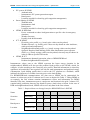
EEPOS ● EEPOS automation and energy management platform - Specification Page 11 of 34 PV system NEMS - Authentication - Instantaneous PV system generation output - Rated power - Location (needed for electricity grid congestion management) Street lighting NEMS - Authentication - Instantaneous load - Rated power - Location (needed for electricity grid congestion management) NEMS DER/load - Power: command to reduce load/generation to specific value in emergency situations - Weather forecasts - Possibly load shift demands ICT NEMS - Electricity price profile, e.g., hourly price values one day ahead - Weather forecast, e.g., hourly price values one day ahead on solar irradiance, wind speed and temperatures - Neighbourhood demand profile, e.g., hourly average values one day ahead - Optional: Required load shifting profile from distribution system operator (DSO), e.g., hourly average values one day ahead; time step may be shorter in order to address specific DSO needs NEMS ICT - Instantaneous demand/ generation values of BEMS/DER/load - Predicted neighbourhood load profile Instantaneous values sent to the NEMS represent the latest energy situation in the neighbourhood. BEMSs will also provide predicted load profiles to the NEMS, which, for example, is built according to the electricity price profile. Detailed information on electricity appliances in households is not required, but only the total instantaneous and predicted energy consumption. Load shifting profile then is sent to the ICT platform as a feedback, which indicates the influence of variable electricity price to the load shifting. For BEMS/DER/load communications, the data sent to NEMS can be summarized for instance in a data array with 25 columns and 5 rows as depicted in Table 2. Taking BEMS as an example, the first column contains instantaneous values and information for BEMS identifier (ID), time, instantaneous power, rated power and location in the grid. Columns 2-25 contain hourly prediction data one day ahead for power (load) where relevant. In the case of DER and neighbourhood loads, NEMS will receive only data in the first column. Table 2. Required data sent through interface BEMS/DER/load NEMS Name ID Sent time Timestamp Power P Rated power Prated Location Location code P1 P2 2013-05-17 P3 … P24