1
Chapter 9
External applications
Command-line applications on the server machine can easily be made available via the graphical
menu system of the Workbench. Such third-party applications can then be run via the normal
graphical menu system of CLC Genomics Workbenches that are connected to the CLC Genomics
Server. These tools can access data on the machine the CLC Workbench is installed on, data
stored on the CLC Genomics Server or data stored in areas of the server accessible to the
CLC Genomics Server, depending on choices made by the server administrator. The third party
programs are executed on the server, not the local Workbench, giving the administrator full
control over the execution environment.
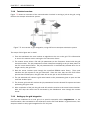
The integration of third party external applications is configured in the CLC Genomics Server
administrative web interface.
A special plug-in needs to be installed in the client Workbench to give the end-user access to the
configured third-party tools. Please contact [email protected] to get this Workbench plug-in.
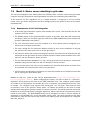
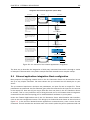
Figure 9.1 shows an overview of the actions and data flow that occur when an integrated external
applications is executed via the CLC Workbench.
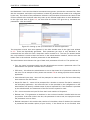
In general terms the basic work flow is:
1. The user selects input data and parameters and starts the job from the Workbench
2. The server exports the input data to a temporary file
3. The server starts the command line application, using the parameters specified from the
user and the temporary file as input
4. When the command line application is done, the server imports output data back into the
CLC environment, saving it in the data location on the server
5. The user is notified that the job is done, and the results are available for viewing and further
analysis in the Workbench
Note that all files used and files created and saved are within the CLC environment. Temporary
files are created outside the CLC environment during the execution of a third party tool, but are
deleted after the process runs under normal circumstances.
62