1
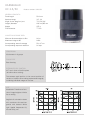
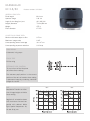
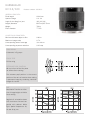
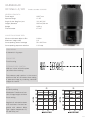
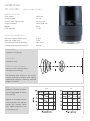
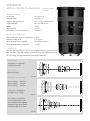
 Product number: 3043400
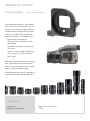
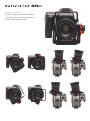
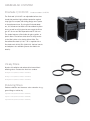
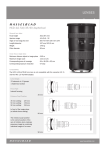
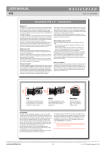
The revolutionary hTs 1.5 is a tilt and shift
adapter that can provide a pivotal step-up for
many hasselblad photographers. designed for
the hCd28mm, hC35mm, hC50mm, hC80mm
and the hC100mm lenses it, in effect, adds five
different “tilt and shift lenses” to the range.
With the extension tubes, h13, h26 or h52, the
hTs 1.5 can also be used for close-up work.
This simple device solves not only technical
challenges, but also provides exciting opportunities for creative solutions as well. The combination of well-known optical principles combined
with the latest in digital image control, provides
a powerful package that will expand photographic expression to new levels.
hasselblad holds a patent pending on the
hTs 1.5.
A comprehensive user manual is available as a free download from
www.hasselblad.com.
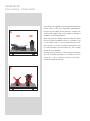
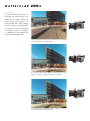
“shift” is the moving of a lens, up and down or to the sides, from
for example, being one of them. The dilemma that arose forced
its central position while retaining its perpendicular orientation to
photographers to find a compromise, between the “illness” and the
the film plane. simply put, the adapter expands the diameter of the
“cure”. hasselblad has now eradicated this dilemma.
projected image circle at the film plane. This allows for much greater
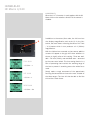
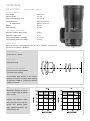
With the introduction of automatic chromatic aberration correc-
freedom in “placing” the image area within the now much broader
tion computation (daC), significant improvements strike the viewer
circle before vignetting takes effect. and most importantly, all this
immediately. all calculations and adjustments take place in the
happens without moving the orientation of the camera in relation to
background monitored and governed by sensors in the adapter. The
the subject. so if verticals, for example, are acceptable in the view-
sharpness at the edge of the frame, despite the fact that the lens
finder, they will remain so whatever the amount of shift to include
is pushed to its limits, remains stunning.
the “hidden” parts of the image. simple but ingenious.
On the creative front, it has long been standard practice for
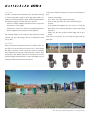
“Tilt” differs from shift in that the normal perpendicular orienta-
photographers to break the rules in order to produce images that
tion of the lens to the film plane is changed resulting in a change
show something just a little different. Large-format users were
in the plane of focus. This means that at any given aperture/focus
well-acquainted with the imaginative possibilities that arose from
setting, the depth of field in the subject will not remain as simply
making the “wrong” camera or lens movements. and now hassel-
the space between two measured points from the camera as is
blad users can enjoy this stimulating freedom as well. fascinating
normally the case, but increased or decreased. This amount is user
and captivating images are easily conjured up and controlled with
controlled. Once again, simple but ingenious.
just a few slight movements. The combination of large sensors and
By combining these two laws of physics, the doors of creative
razor sharp lenses – and now tilt and shift possibilities – hassel-
solutions are thrown wide open. The list of situations that could
blad has brought some of the creative aspect of former large-format
advantageously exploit tilt and shift is probably longer than it might
world to the digital medium format.
first appear to be. for some professional photographers it could
rapidly become an essential item for all work.
Take a look at this revolutionary accessory at your nearest
hasselblad dealer. Try it yourself out to see how this new product
But the story doesn’t end there. Large-format users have been
could rapidly become an essential part of your photography toolkit.
using tilt and shift for many years, partly because they could, but
The powerful combination of tilt, shift and daC can bring new per-
partly because they had to. some photographic solutions unfor-
spectives to your photographic vision and provide a marked change
tunately, have also created problems, lens edge performance,
in both the technical and creative aspects of your work.
www.hasselblad.com