1
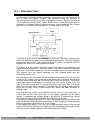
When you first start your vehicle, the alternator needs some current to start
working. The voltage regulator supplies this current from the battery to the field
(stator) terminal of the alternator to get it started.
The state of charge of the battery controls amperage output of the alternator.
When the battery has a full charge, the electro-motive force of the voltage
lowers the amperage to almost zero. As the battery charge wears down, the
electro-motive force is not enough to stop the amperage, so it flows into the
battery and charges it again.
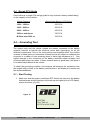
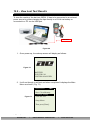
11.1 – Start Testing
This test is to check the MAX and MIN charging voltages output of the
alternator at 3000 RPM without load and 2000 RPM with all loads ON. With this
test you can determine the alternator’s condition when in reference with the
vehicle’s Service Manual.
No load testing at 3,000 RPM
1. With engine OFF, place the vehicle transmission in NEUTRAL for Manual
and PARK for Automatic and apply the parking brake.
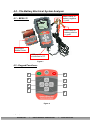
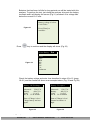
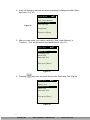
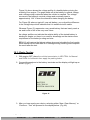
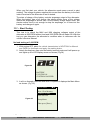
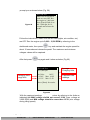
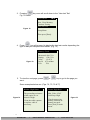
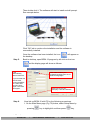
2. Attach the Analyser clips onto the battery terminal posts and it will power up
and lights up the LCD display screen as shown (Fig.54)
Figure 54
BATTERY
ELECTRICAL
SYSTEM ANALYSER
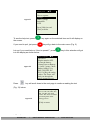
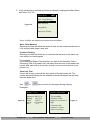
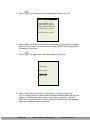
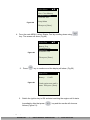
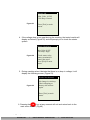
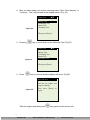
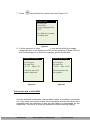
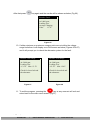
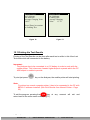
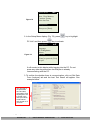
3. It will run through a self-test and when completed it displays the Main Menu
as shown: (Fig. 55)
Select Menu
ST
New: Clear Memory
Continue Testing
View last Test
Figure 55
Setup Menu
Then press [Enter].
‐ 41 ‐ | AE TOOL LTD. l USER’S MANUAL VERSION 1307
l
www.aetool.com