1
Exclusive Technology Feature
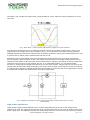
Fig. 4. Data entered into PI Efficiency Compliance Calculator.
Power Integration’s calculator computes active-mode efficiency as the equally-weighted average of efficiency
across all load levels. The fields on the right side of the screenshot above show various efficiency standards.
The calculator automatically calculates compliance requirements for active-mode efficiency and no-load input
power and compares your test results with the standards requirements. To simplify analysis of results, it
highlights those results that meet requirements in green and those that do not in red. (For those not using
Power Integration’s calculator to perform efficiency calculations, see the test tip “Calculating By Hand,” in the
appendix.)
Conclusion
As leading standards organizations focus on eliminating wasted power, they are developing increasingly
stringent efficiency requirements for external power supplies. At the same time, efforts to synchronize these
standards around the globe promise to bring conformity from region to region. By following the test methods
outlined above, designers can ensure their power supplies meet these emerging regulations and take the first
step to accessing worldwide markets.
Appendix
Test Tip: Calculating by Hand
If you decide to calculate values by hand, it is important to note that standards requirements are rounded to
two digits for both no-load requirements and active-mode efficiency. This seemingly minor point can play a
major role in standards compliance. Take the sample calculation below for minimum efficiency using the Energy
Star formula for a 12-V, 1.1-A supply:
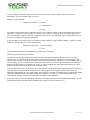
Nameplate power = 12 V x 1.1 A = 13.2 W
ηmin ≥ [0.0626 x ln x (13.2)]
≥ 0.784 or 78.4%
≥ 0.78 or 78% rounded to two digits
Now let’s look at an example that shows the effect of rounding using measured results for the same 12-V, 1.1-A
supply:
© 2012 How2Power. All rights reserved.
Page 5 of 6