1
Conductivity/Temp Sensor
6.14 Maintenance and Storage
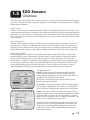
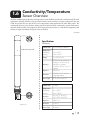
EXO conductivity and temperature (CT) sensors require little maintenance or special attention for storage.
As much as possible, prevent impact to the sensor’s exposed thermistor. This section will identify storage
as “long-term” or “short-term.” Long-term denotes storage during times of long inactivity (over-wintering,
end of monitoring season, etc.). Short-term denotes storage during times the sonde will be used at a regular
interval (daily, weekly, biweekly, etc.). Maintain connectors as instructed in section 6.24.
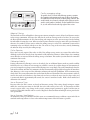
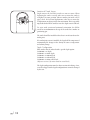
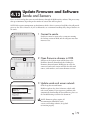
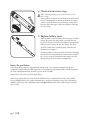
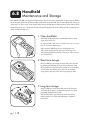
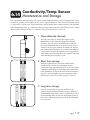
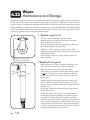
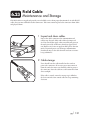
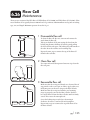
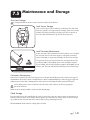
1 Clean electrode channels.
The only parts of the CT sensor that require special
maintenance are the channels leading to the internal
electrodes. Dip the sensor’s cleaning brush (included in
the sonde maintenance kit) in clean water, insert at top of
channels, and sweep the channels 15-20 times. If deposits
have formed on the electrodes, use a mild solution of dish
soap and water to brush the channels. If necessary, soak in
white vinegar to aid cleaning. Rinse the channels with clean
water following the sweepings or soak.
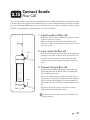
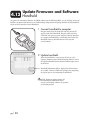
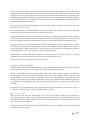
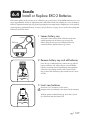
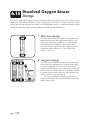
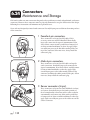
2 Short -term storage.
When in regular field use, the sensor should remain
installed on the sonde in an environment of watersaturated air. Place approximately 0.5 in (1 cm) of any water
(deionized, distilled, tap, or environmental) in the bottom
of the calibration cup. Insert the sonde and sensor into the
cup and screw it on tightly to prevent evaporation. (More
information in “Short-Term Sonde Storage” section 6.1.)
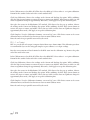
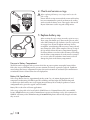
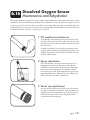
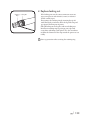
3 Long -term storage.
Store the sensors either dry or wet, installed on the
sonde or detached. However, before storage, perform the
recommended maintenance (above) to ensure the sensor is
in good working order for the next deployment season. If
the sensor is submerged for storage, ensure that the liquid
is not corrosive.
pg
| 119