1
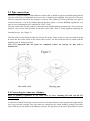
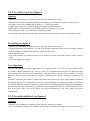
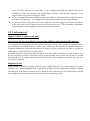
poor. The stove provides too much heat, so the combustion should be reduced. But always remember to make sure that there are lasting flames until the wood becomes charcoal. If you want a weaker fire, stoke up using less wood. After a prolonged shut-down period the stove and chimney system should be checked to ensure that there is no blockage. For example, a bird may have nested at the top of the chimney. If you fire the stove using wet wood, a lot of the fuel‟s thermal energy will be spent forcing the water out of the wood, without releasing any heat to the stove. This incomplete combustion results in a layer of soot being left in the stove, pipe and chimney. 3.2.3 Ash removal Figure 5 (How to remove ash pan) Always use the key provided to operate the riddling control and to lift ashpan. It is essential to keep the grate free from a heavy build up of ashes. This product is equipped with a grate riddling device which is used to “shake” ashes off the grate into the ash pan. Whenever the stove is burning without life, when the mid primary air control is open, use the key provided to operate the riddling lever to clear the grate of surplus ashes. If burning solid fuel, always empty the ash pan at least once a day or whenever it is full of ashes. Use the key provided to remove and replace ash pan into position. Never allow the ash pan to overfill allowing ash to be in contact with the underside of the grate. If this condition is allowed, the grate will wear out pre-maturely. Disposal of ash Ashes should be placed in a metal container with a tight fitting lid. The closed container of ashes should be on a non combustible floor or ground well away from all combustible materials pending final disposal. If the ashes are disposed of by burial in soil or otherwise locally dispersed they should be retained in the closed container until all cinders have completely cooled.