1
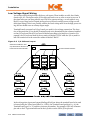
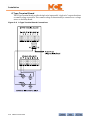
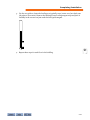
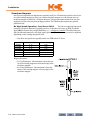
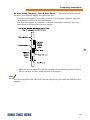
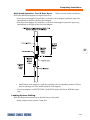
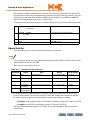
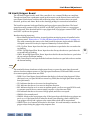
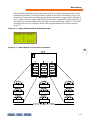
Installation Considerations Environmental conditions are important: • Ambient temperature should remain within 32 to 104 Fahrenheit (0 to 40 Celsius). Temperatures outside these guidelines may be tolerated, but will shorten equipment life. Adequate ventilation is required. Air conditioning may be necessary. • The air in the machine room should be free of excessive dust, corrosive elements, and excessive moisture. A NEMA 4 or NEMA 12 enclosure can help meet these requirements if machine room conditions are inadequate. If the machine room has open or unglazed windows or other direct outside openings, place equipment cabinets far enough from them so that severe weather does not damage the equipment. • Very high levels of radio frequency (RF) radiation from nearby sources should be avoided. RFI may interfere with controller components, degrading elevator performance. Using hand-held communication devices close to the controller may also cause interference. Interference from permanently installed radio transmitting antennas is not common. • Power line fluctuation should not be greater than ±10%. Piping and Wiring Proper routing of signal and power wires is essential to microprocessor based equipment. Low and high voltage wiring cannot be run in the same conduit, duct, or tray. How Electrical Noise Occurs Electrical noise may be induced when a high power conductor and a low signal level conductor run alongside one another. As current flows through the high power wire, magnetic lines of flux (voltage) expand outward and voltage is induced in the low level conductor. The low level conductor, in the case of Tricon, may be a 24-volt input that really only needs to see 12 volts to turn on. If the voltage induced from the high power conductor is large enough to induce a 12-volt spike, the input can falsely turn on. How to Avoid Electrical Noise Problems Route high and low level signal wiring properly. Keep low level wiring in separate conduit from high power wiring. If high and low power wiring must be run in the same duct, separate them by a minimum of three to four inches. If one must cross the other, it should be at a ninety degree angle. Run low level wiring in shielded cable. The shield collects any induced voltage from surrounding high power wiring. The shield or “drain” must be connected to ground at one end only— never at both ends. 2-5 2