1
Questions
1 Are the 2 sets of values for blood pressure (systolic and diastolic)
identical? What are the possible sources of variations.
2 Since you are looking for changes in the volume pulse, would slowing the
rate of pressure released from the cuff make your readings more
accurate?
Note: If you decide to slow the release from the cuff pressure, remember
that restricting circulation for a prolonged period can be dangerous.
Exercise 3:
Measurements
from the Right
Arm
Procedure
Aim: To measure blood pressure from the right arm.
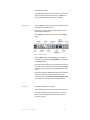
• Control Experiment
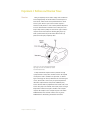
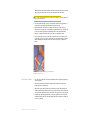
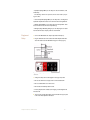
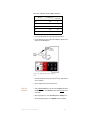
1 With the plethysmograph still on the left hand, place the cuff around the
upper portion of the right arm.
2 Inflate the cuff. Does the finger pulse signal from the left hand change?
Deflate the cuff. Why does the finger signal remain after inflation?
• Right Arm
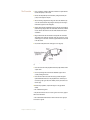
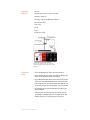
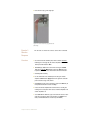
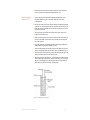
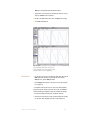
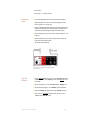
1 Place the plethysmograph on the distal segment of the middle finger of
the right hand and wrap the velcro to attach the unit firmly in place.
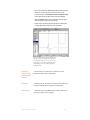
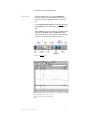
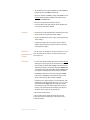
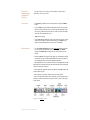
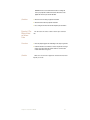
2 Measure the systolic and diastolic blood pressures as previously done,
Repeat the measurements.
Question
Exercise 4:
Measurements
with the Cuff on
the Forearm
Procedure
Are the values the same as those obtained for the left arm? Explain
any differences.
Aim: To examine whether blood pressure declines with distance
from the heart.
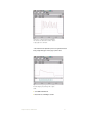
1 Move the cuff from the upper right arm to the lower right arm.
2 Measure the blood pressures as previously done
Chapter 6: Circulation and Blood
121