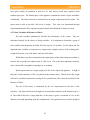
1
turning plates to ensure consistent operation, and the motors and gearing were selected
specifically for the gripping systems. All of the electronics are managed through a
microcontroller, powered by the alternating current of the house with an AC/DC adapter.
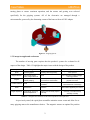
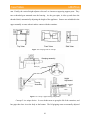
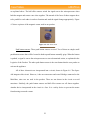
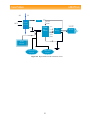
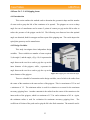
Figure 1.1. Gripping System
1.2 Concept strengths and weaknesses
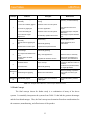
The number of moving parts requires that the product’s systems be evaluated in all
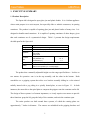
aspects of the design. Table 1.2 highlights the major issues with the design of the product.
Component
Strength
unlimited number of
potential grippers
Spiral
Magnet Sensors
Grippers
Contact Switches
Gears
Height adjustment
Weakness
Carefully selected geometry
Importance
high - the basis of design for the
entire product
only sensors require
power, magnet does not
None
low - there are no wires to tangle,
reducing problems
spring loaded for more
uniform grasping
increases part count, only a fixed
force reaches contact switch
medium - ensures that all grippers
grip with even force
Small
wires can get twisted if not
controlled
medium - wires twist, which must
be accounted for in the design
positive contact/force
transmission
may be loud, small pitch requires
precision
automatically moves up
with lid displacement
requires user to initially adjust it
manually
high - gears transmit the torque to
the container applied by the motors
low – automated system not
necessary; user able to lift top
assembly manually
Table 1.2. Strengths and weaknesses of the main components of the Open-Aid
As previously stated, the spiral plate assemblies minimize motor count and allow for as
many gripping arms as the manufacturer desires. The magnetic sensors are optimal for position
2