1
Infants and Child Restraints
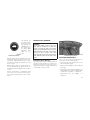
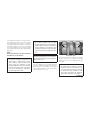
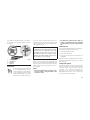
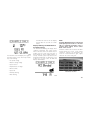
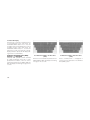
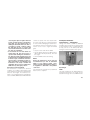
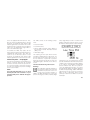
• Safety experts recommend that children ride
rearward-facing in the vehicle until they are
at least one year old and weigh at least
20 lbs (9 kg). Two types of child restraints
can be used rearward-facing, infant carriers
and convertible child seats.
• The infant carrier is only used rearwardfacing in the vehicle. It is recommended for
children who weigh up to about 20 lbs (9 kg).
Convertible child seats can be used either
rearward-facing or forward-facing in the vehicle. Convertible child seats often have a
higher weight limit in the rearward-facing
direction than infant carriers do, so they can
be used rearward-facing by children who
weigh more than 20 lbs (9 kg) but are less
than one year old. Both types of child restraints are held in the vehicle by the lap/
shoulder belt or the LATCH child restraint
anchorage system. Refer to “LATCH — Child
Seat Anchorage System (Lower Anchors
and Tether for CHildren)” in this section.
44
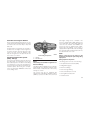
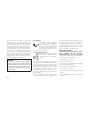
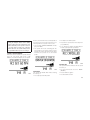
WARNING!
Rearward-facing child seats must NEVER be
used in the front seat of a vehicle with the front
passenger airbag unless the airbag is turned
off. An airbag deployment could cause severe
injury or death to infants in this position.
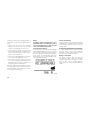
Older Children and Child Restraints
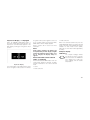
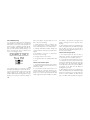
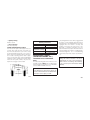
Children who weigh more than 20 lbs (9 kg)
and who are older than one year can ride
forward-facing in the vehicle. Forward-facing
child seats and convertible child seats used in
the forward-facing direction are for children
who weigh 20 to 40 lbs (9 to 18 kg) and who are
older than one year. These child seats are also
held in the vehicle by the lap/shoulder belt or
the LATCH child restraint anchorage system.
Refer to “LATCH — Child Seat Anchorage
System (Lower Anchors and Tether for CHildren)” in this section.
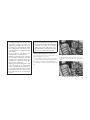
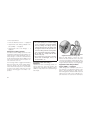
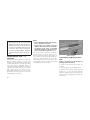
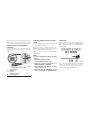
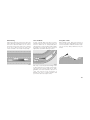
The belt-positioning booster seat is for children
weighing more than 40 lbs (18 kg), but who are
still too small to fit the vehicle’s seat belts
properly. If the child cannot sit with knees bent
over the vehicle’s seat cushion while the child’s
back is against the seatback, they should use a
belt-positioning booster seat. The child and
belt-positioning booster seat are held in the
vehicle by the lap/shoulder belt.
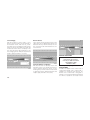
Children Too Large for Booster Seats
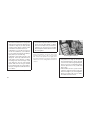
Children who are large enough to wear the
shoulder belt comfortably and whose legs are
long enough to bend over the front of the seat
when their back is against the seatback should
use the lap/shoulder belt in a rear seat.
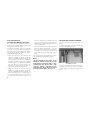
• Make sure that the child is upright in the seat.
• The lap portion should be low on the hips
and as snug as possible.
• Check belt fit periodically. A child’s squirming or slouching can move the belt out of
position.