1
US008164467B2
(12) United States Patent
(10) Patent N0.2
Hirabayashi et a].
(54)
(45) Date of Patent:
6,999,062 B2
2/2006 Hara et al.
CONTROLLER
7,505,795 B1 *
3/2009
.
.
.
.
Inventors: Yoshl Hlrabayflshls _San Dlegos CA
(US); Peter shlntanl, San Dlego, CA
'
2005/0097594 A1*
5/2005
2005/0216519 A1*
9/2005 Mayo et a1, ,,,,,, n
2007/0037610 A1
.
-
.
Asslgneesi lsjzlcircofligsolzzogggsggggpghsaglg)
,
5
Lim et al. .................... .. 455/574
9/2004 Liu
O’Donnell et al.
........... .. 725/15
707/200
2006/0242420 A1 * 10/2006 Rodriguez et al. .......... .. 713/182
(US)
(73)
Apr. 24, 2012
POWER SAVING MODE FOR REMOTE
2004/0176065 A1
(75)
US 8,164,467 B2
2/2007 Logan
2009/0259939 A1*
10/2009
Lockett et al. .............. .. 715/716
2009/0320076
12/2009
Chang
A1*
2010/ 0043027 A1 *
. . . . . . . . . . . .
. . . ..
725/60
2/2010 Shintani et al. ............... .. 725/40
5
OTHER PUBLICATIONS
(*)
( 21 )
Notice:
Subject to any disclaimer, the term of this
patent is extended or adjusted under 3 5
Micromodul LX2 User Manual Version 2, [email protected], Jan. 1,
U.S.C. 154(b) by 473 days.
2007, P 7
Smaltlink SX, wwwphonakcom, Mar. 8, 2004, Appendix A.
Smarthome SR-525, wwwsmarthomecom, May 1, 2001, p. 51.
APP 1_ NO; 12/200 , 239
*
(22) Filed:
Aug. 28, 2008
(65)
.
.
“ed by exammer
Prior Publication Data
Primary Examiner * Benjamin C Lee
Assistant Examiner * Cal Eustaquio
US 2010/0052925 A1
Mar. 4, 2010
(57)
(51)
(52)
(58)
Int. Cl.
ABSTRACT
_
G06B 21/00
(200601)
G06F 15/16
(200601)
A method, system and apparatus provlde for enhanced power
savings of a remote controller. PoWer savings are achieved by
US. Cl. ................................... .. 340/636.1,- 709/231
Field of Classi?cation Search ................ .. 709/231-
automaticall y entering a P oWer savin g mode of the remote
Controller’ based upon user usage Ofthe remote 00119011“ A
340/825_22
usage condition associated With use of the remote controller
See application ?le for Complete Search history
is detected; the usage condition has associated With it a pre
determined period of time. Upon detection of the occurrence
References Cited
of the usag e condition, the remote controller automaticall y
U-S~ PATENT DOCUMENTS
enters a poWer saving mode from its normal operational mode
after the predetermined period of time of the usage condition.
56
5,920,270 A *
7/1999
6,532,592 B1
3/2003 Shintani et a1.
Peterson ................ .. 340/82537
29 Claims, 6 Drawing Sheets
i. l
El EIEI-\
El Ell]
[I EIEI/
[I EIEI
El EIEI
:EI
III
US. Patent
Apr. 24, 2012
US 8,164,467 B2
Sheet 1 0f 6
FIG. 1
100
120 J
US. Patent
Apr. 24, 2012
Sheet 2 of6
US 8,164,467 B2
200
—
160v
FIG, 2
DEVICE
150 Tx
150 Rev
210v TRANSMITTER
RECEIVER
V220
14o
PROCESSOR AND
CONTROL ELEMENT
V200
‘
MOTION
SENSOR
T
230
USER INTER
FACE
I
V130
US. Patent
Apr. 24, 2012
Sheet 3 of6
US 8,164,467 B2
m
310
\
DETECT THE OCCURRENCE OF A USAGE CONDITION ASSOCIATED WITH
USE OF THE REMOTE CONTROLLER
320
\ THE REMOTE CONTROLLER AUTOMATICALLY ENTERS A POWER SAVING MODE
A PREDETERMINED PERIOD OF TIME AFTER DETECTING THE OCCURRENCE
OF THE USAGE CONDITION, WHEREIN THE PREDETERMINED PERIOD
OF TIME IS DETERMINED BY THE DETECTED USAGE CONDITION
\
THE REMOTE CONTROLLER EXITS THE POWER SAVING MODE UPON
DETECTION BY THE REMOTE CONTROLLER OF AN EXIT CONDITION
FIG. 3
w
410
\
DEFINE PROGRAMMED USAGE PATTERNS, EACH PROGRAMMED USAGE
PATTERN ASSOCIATED WITH USE OF THE REMOTE CONTROLLER AND
HAVING AN ASSOCIATED PROGRAMMED PERIOD OF TIME AFTER WHICH
THE REMOTE CONTROLLER AUTOMATICALLY ENTERS A POWER SAVING
MODE FOLLOWING THE OCCURRENCE OF THE PROGRAMMED USAGE PATTERN
\
STORE THE DEFINED PROGRAMMED USAGE PATTERNS IN A STORAGE
ELEMENT OF THE REMOTE CONTROLLER
DETECT THE OCCURRENCE OF A PROGRAMMED USAGE CONDITION OF
THE PROGRAMMED USAGE PATTERNS
\
THE REMOTE CONTROLLER AUTOMATICALLY ENTERS A POWER SAVING
MODE THE PROGRAMMED PERIOD OF TIME AFTER DETECTING THE
OCCURRENCE OF THE PROGRAMMED USAGE CONDITION
\
THE REMOTE CONTROLLER EXITS THE POWER SAVING MODE UPON
DETECTION BY THE REMOTE CONTROLLER OF AN EXIT CONDITION
FIG. 4
US. Patent
510
Apr. 24, 2012
US 8,164,467 B2
A USER PRESSES A KEY OF
TE CONTROLLER ASSOCIATED WITH
A
AMMED
PA
AVAILABLE PROGRAMMED USAGE
PATT
E
TE
ROLLER, WITH THE PROGRAMMED USAGE
PATTERN
CIATED WI
HE PRESSED KEY HAVING A DEFINED
PERIOD OF TIME AFTER WHICH THE REMOTE CONTROLLER AUTOMATICALLY
ENTERS THE POWER SAVING
PROGR
\
Sheet 4 of6
FOLLOWIIDTXGTEIIQI'E OCCURRENCE OF THE
USAGE
DETECT THE OCCURRENCE BY THE USER OF THE PROGRAMMED USAGE
PATTERN ASSOCIATED WITH THE KEY
\
THE REMOTE CONTR
MODE THE DEFINED
\
R AUTOMATIC
ENTERS A POWER SAVING
OD OF TIME
TH
PROGRAMMED USAGE PATTE
ER PERFORMS THE
THE REMOTE CONTROLLER EXITS THE POWER SAVING MODE UPON
DETECTION BY THE REMOTE CONTROLLER OF AN EXIT CONDITION
FIG- 5
US. Patent
Apr. 24, 2012
Sheet 5 0f 6
US 8,164,467 B2
600
610
DEFINE CUSTOMIZED USAGE PATTERNS BASED UPON USAGE OF THE
REMOTE CONTROLLER BY ONE OR MORE USERS, WITH EACH CUSTOMIZED
USAGE PATTERN BEING DYNAMICALLY DEFINED BASED UPON ACTUAL
USAGE OF THE REMOTE CONTROLLER AND HAVING AN ASSOCIATED
PERIOD OF TIME AFTER WHICH THE REMOTE CONTROLLER AUTOMATICALLY
ENTERS A POWER SAVING MODE FOLLOWING THE OCCURRENCE OF ONE
OR MORE OF THE CUSTOMIZED USAGE PATTERNS;
STORE THE DEFINED CUSTOMIZED USAGE PATTERNS IN A STORAGE
ELEMENT OF THE REMOTE CONTROLLER
THE REMOTE CONTROLLER RECOGNIZES AT LEAST ONE CUSTOMIZED
USAGE PATTERN OF THE CUSTOMIZED USAGE PATTERNS FROM USAGE BY
A USER OF THE REMOTE CONTROLLER
AFTER A PERIOD OF TIME DEFINED BY THE ASSOCIATED PERIOD OF TIME
OF THE RECOGNIZED AT LEAST ONE CUSTOMIZED USAGE PATTERN, THE
REMOTE CONTROLLER AUTOMATICALLY ENTERS THE POWER SAVING MODE
THE REMOTE CONTROLLER EXITS THE POWER SAVING MODE UPON
DETECTION BY THE REMOTE CONTROLLER OF AN EXIT CONDITION
FIG. 6
US. Patent
Apr. 24, 2012
Sheet 6 of6
US 8,164,467 B2
700
710
\
A USER DEFINES ONE OR MORE CUSTOMIZED USAGE PATTERNS BASED
N U
OF THE REMOTE CONTROLLER BY THE USER, WITH EACH
OMI
USAGE PATTERN HAVING AN ASSOCIATED PERIOD OF TIME
AFTER WH
POWER SA
THE REMOTE CONTROLLER AUTOMATICALLY ENTERS A
MODE AFTER
OCCURRENCE OF THE CUSTOMIZED
US
PATTERN
720
\
73D
\
W
USER MAPS
ONE OR MORE CUSTOMIZED
PATTERNS
NED BY THE
TO A FUNCTION ELEMENT
CONTROLLER
THE REMOTE
UPON USER ACTIVATIN
CONTROL AND UPON THE
E FUNCTION ELEMENT OF THE REMOTE
TE CO
LLER RECOGNIZING AT LEAST
ONE OF THE ONE OR MORE CUST
USAGE PATTERNS OF THE USER,
THE REMOTE CONTROLLER A
ATI
Y ENTERS THE POWER
SAVING MO
\
THE REMOTE CONTROLLER EXITS THE POWER SA
MODE UPON
DETECTION BY THE REMOTE CONTROLLER OF AN
CONDITION
FIG. 7
US 8,164,467 B2
1
2
POWER SAVING MODE FOR REMOTE
CONTROLLER
are used to describe the same, similar or corresponding parts
in the several vieWs of the draWings.
In this document, relational terms such as ?rst and second,
top and bottom, and the like may be used solely to distinguish
COPYRIGHT NOTICE
one entity or action from another entity or action Without
necessarily requiring or implying any actual such relationship
A portion of the disclosure of this patent document may
contain material that is subject to copyright protection. The
copyright oWner has no objection to the facsimile reproduc
or order betWeen such entities or actions. The terms “com
prises,” “comprising,” or any other variation thereof, are
tion of the patent document or the patent disclosure, as it
appears in the Patent and Trademark O?ice patent ?le or
intended to cover a non-exclusive inclusion, such that a pro
cess, method, article, or apparatus that comprises a list of
elements does not include only those elements but may
include other elements not expressly listed or inherent to such
records, but otherWise reserves all copyright rights Whatso
ever.
process, method, article, or apparatus. An element preceded
BACKGROUND
by “comprises . . . a” does not, Without more constraints,
preclude the existence of additional identical elements in the
process, method, article, or apparatus that comprises the ele
Today’ s remote controllers, also knoWn as remotes, remote
commanders or the like, are used to remotely control any
manner of electronic devices, including television sets, cel
lular telephones, set-top boxes, etc. Remote controllers have
become more complex, With processors suitable for support
ing processing tasks; they routinely take more time to start up
and shut doWn. They also must be more responsive to the user,
providing more opportunities for interaction With the user via
the user interface (display, keypad) of the remote controller.
As the capabilities of remote controllers have become more
ment.
20
Reference throughout this document to “one embodi
ment”, “certain embodiments”, “an embodiment” or similar
terms means that a particular feature, structure, or character
istic described in connection With the embodiment is included
in at least one embodiment of the present invention. Thus, the
appearances of such phrases or in various places throughout
25
this speci?cation are not necessarily all referring to the same
sophisticated, particularly as regards the bi-directional inter
embodiment. Furthermore, the particular features, structures,
action betWeen a user and the remote controller via a user
or characteristics may be combined in any suitable manner in
interface, the attendant poWer consumption and drain on
poWer batteries present a real issue. The poWer required to
maintain a fully operational mode, as Well as the time to
poWer-up and poWer-doWn from a sleep or hibernate mode,
one or more embodiments Without limitation.
30
The term “or” as used herein is to be interpreted as an
inclusive or meaning any one or any combination. Therefore,
“A, B or C” means “any ofthe folloWing: A; B; C; A and B; A
and C; B and C; A, B and C”. An exception to this de?nition
Will occur only When a combination of elements, functions,
provide an incentive to intelligently determine the timing of
entry into and exit from energy saving poWer consumption
steps or acts are in some Way inherently mutually exclusive.
modes of the remote controller.
35
In accordance With embodiments of the present invention,
poWer savings of a remote controller or commander device is
BRIEF DESCRIPTION OF THE DRAWINGS
achieved by automatically entering a poWer saving mode of
the remote controller, based upon user usage of the remote
controller. A usage condition associated With use of the
The features of the invention believed to be novel are set
forth With particularity in the appended claims. The invention
itself hoWever, both as to organiZation and method of opera
40
remote controller is detected; the usage condition has associ
ated With it a predetermined period of time. Upon detection of
the occurrence of the usage condition, the remote controller
automatically enters a poWer saving mode from its normal
45
the usage condition. The remote controller encompasses any
device that is trying to conserve poWer and has a user interface
that is frequently accessed by the user to control a remote
tion, together With objects and advantages thereof, may be
best understood by reference to the folloWing detailed
description of the invention, Which describes certain exem
plary embodiments of the invention, taken in conjunction
With the accompanying draWings in Which:
operational mode after the predetermined period of time of
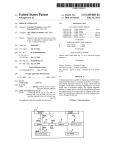
FIG. 1 is a block diagram of a system, in accordance With
various embodiments.
FIG. 2 is a functional block diagram of a remote controller,
in accordance With various embodiments.
FIGS. 3-7 are ?oWcharts, illustrative of methods in accor
electronic device; thus, embodiments are applicable to cellu
lar telephones, as Well as televisions, for example.
50
dance With various embodiments.
Skilled artisans Will appreciate that elements in the ?gures
are illustrated for simplicity and clarity and have not neces
sarily been draWn to scale. For example, the dimensions of
some of the elements in the ?gures may be exaggerated rela
tive to other elements to help to improve understanding of
embodiments of the present invention.
55
The remote controller, useful for remote control of an
electronic device such as television, control peripheral
devices coupled to the television set (such as video cassette
recorders, video disk players and audio equipment), a per
sonal digital assistant (PDA), a cellular or mobile phone,
portable media players or the like, has a user interface through
Which a user may remotely control operation of the electronic
device(s); a processor and control element that processes
instructions received from the user via the user interface and
DETAILED DESCRIPTION
60
While this invention is susceptible of embodiment in many
different forms, there is shoWn in the draWings and Will herein
be described in detail speci?c embodiments, With the under
and control element; and a transmitter that transmits the con
trol signals generated by the processor and control element to
the electronic device(s) under control of the processor and
standing that the present disclosure is to be considered as an
example of the principles of the invention and not intended to
limit the invention to the speci?c embodiments shoWn and
described. In the description beloW, like reference numerals
generates control signals in accordance With those instruc
tions; a receiver that receives signals from the electronic
device(s) and provides those received signals to the processor
65
control element. In response to detecting a usage condition
associated With use of the remote controller, the processor and
control element cause the remote controller to automatically
US 8,164,467 B2
3
4
enter a power saving mode a predetermined period of time
determined by the usage condition.
displayed. For example, in the case of a television as the
electronic device, the display 110 may display a menu or
program guide. Such information can assist a vieWer in navi
A user may have a usage pattern or condition associated
With his use of the remote controller to control operation of
the electronic device(s). The remote controller may be used
gating among the Wide variety of available programming. For
example, electronic program guides that are displayed on a
particular channel are common in cable and satellite systems
as a Way of informing vieWers as to What programming is
for several seconds to make changes and then it Will be idle;
certain embodiments provide for the remote controller to
automatically go into its poWer saving mode, such as an
energy conserving standby mode, after a period of time after
being shoWn.
The user interface also features a plurality of keys or but
the last usage of the remote control by the user, such as after
tons 120 With Which a user can enter instructions to be sent to
a last key entry. Depending upon the user, the period betWeen
key presses, for example, may vary Widely, and if the remote
controller goes into a sleep, hibernate, or other poWer saving
the electronic device 160 or instructions to be received by the
processor and control element 200 of the remote controller of
FIG. 2, as Will be described.
The communications unit 140 of the remote controller 100
includes a transmitter 210 and a receiver 220 for both sending
mode too quickly, it Would be more of an inconvenience and
Waste more poWer on the start-up than if the remote controller
had remained in its normal operating mode. Thus, the length
of the predetermined period of time associated With a particu
and receiving data signals from the electronic device 160,
illustrated in this embodiment by Way of example and not
lar usage condition or pattern may be programmed or
limitation as a television set. The electronic device 160 is
dynamically changed accordingly. For example, one user
may make entries a couple of seconds apart, but another user
might make entries into the remote controller 30 seconds
apart. The remote controller can adapt to these varying usage
20
equipped With a similar communications unit 170 Which
includes both a receiver and a transmitter for receiving signals
from the remote controller 100 and transmitting signals to the
remote controller. The signaling betWeen the electronic
device 160 and the remote controller 100 may be any appro
25
priate type of signaling. For example, infra-red (IR), radio
frequency (RF), ultra-sonic signaling, or combinations
patterns and conditions by effective use of the predetermined
period of time associated With a user (a user may be assigned
or mapped to a certain button, for example) or a usage con
dition or pattern. As used herein, usage condition and usage
thereof are all acceptable and equivalent methods of trans
mitting data betWeen the electronic device 160 and the remote
pattern may be similarly construed. It is noted, hoWever, that
a usage condition may not in fact be a pattern; but patterns
may be considered a form of usage condition. For example, a
usage condition of the time of the day is a condition but not
itself a pattern.
controller 100. As mentioned, during normal operation, there
30
The usage condition may be of varying types, including
programmed usage patterns and customiZed usage patterns,
Which may be selected and de?ned by a user of the remote
controller through appropriate manipulation of the remote
35
controller user interface, or the usage condition may be a
is a tWo-Way communications link betWeen the electronic
device 160 and the remote controller 100. As Will be
described, during a poWer saving mode of the remote control
ler, the tWo-Way communications link may be abridged, as
may other functional aspects of the remote controller in order
to conserve poWer, particularly battery poWer.
As described and shoWn in FIGS. 1 and 2, the remote
pre-de?ned condition automatically recogniZed by the
controller 100 has a user interface 130 through Which a user
remote controller.
Moreover, the usage pattern or condition may refer to a
may remotely control operation of the electronic device(s); a
period of inactivity as Well as activity/usage of the remote
40
controller. Thus, the predetermined period of time after Which
control signals in accordance With those instructions; a
receiver 220 of the remote controller communications unit
the remote controller enters the poWer saving mode may be
triggered by a period of inactivity; this length of time may be
variable and dynamically de?ned, just as is the case With
certain af?rmative actions or activity by the user.
processor and control element 200 that processes instructions
received from the user via the user interface and generates
140 that receives signals from the electronic device(s) and
provides those received signals to the processor and control
45
element; and a transmitter 210 of communications unit 140
Using the draWings, the various embodiments of the
that transmits the control signals generated by the processor
present invention, including preferred embodiment(s) Will
and control element to the electronic device(s) under control
of the processor and control element. In response to detecting
noW be explained. As shoWn in the system of FIG. 1, the
present invention includes a remote controller 100, also
a usage condition associated With use of the remote controller,
referred to as a remote controller, remote commander or the 50 the processor and control element cause the remote controller
like, and an electronic device 160 controlled by the remote
controller 100; the electronic device may be a television set, a
PDA, a cellular telephone or other devices operable to be
remotely controlled by remote controller 100. The commu
nications link 150 betWeen the remote controller 100 and the
electronic device 160 maybe a bi-directional, tWo-Way link
to automatically enter a poWer saving mode a predetermined
period of time determined by the usage condition.
55
of a usage condition associated With use of the remote con
during a normal operating mode of operation. Bi-directional
communications is commonly used in audio applications,
LCD, OLED and LED screens, etc. The functional block
diagram of the remote controller 100 of FIG. 2 illustrates the
functional relationship betWeen the user interface, processor
and control element, transmitter and receiver elements.
troller is detected. A usage condition is a condition tied to,
caused by or otherWise affected by the use or non-use of the
remote controller by one or more users. A usage condition
60
The remote controller 100 has a user interface 130 by
Which the user may send and receive information. The user
interface features a display 110, for example a liquid crystal
display (LCD), on Which data and information received from
the electronic device or input using the keypad 120 may be
FIGS. 3-7 illustrate ?oWs for conserving poWer of a remote
controller in accordance With various embodiments. Refer
ring noW to How 300 of FIG. 3, at Block 310, the occurrence
may be considered to be a usage pattern created by usage of
the remote control by one or more users. By Way of example
and not limitation, the folloWing are types of usage conditions
or patterns, tied to use or non-use of the remote controller by
the user:
65
a user pressing a key of the remote controller, With the
predetermined period of time determined by a function
of the key pressed by the user of the remote controller.
US 8,l64,467 B2
6
5
Various embodiments envision the use of programmed
usage patterns or conditions, as illustrated in FIGS. 4 and 5.
Referring noW to How 440 of FIG. 4, at Block 410 pro
a last key press made by a user of the remote controller,
With the remote controller automatically entering the
poWer saving mode a predetermined period of time after
the last key press made by the user of the remote con
grammed usage patterns associated With use or non-use of the
remote controller by a user are de?ned; again each pro
troller is detected. (as in Block 320)
a user pressing a sequence of keys of the remote controller.
grammed usage pattern has an associated programmed period
the elapsed time betWeen key presses; this may indicate
“channel sur?ng”, for instance.
of time after Which the remote controller automatically enters
a poWer saving mode folloWing the occurrence of the pro
the user pressing at least one of one or more trigger keys.
grammed usage pattern. At Block 420, the de?ned pro
For example, a mute button may be a trigger key.
the user Waiting at least a predetermined elapsed time
the remote controller. The occurrence of a programmed usage
grammedusage patterns are stored in a storage element 240 of
condition of the programmed usage patterns is detected at
Block 43 0. AT Block 440, the remote controller automatically
enters a poWer saving mode the programmed period of time
after detecting the occurrence of the programmed usage con
betWeen pressing one or more keys of the remote con
troller
a key of the keypad of the user interface being persistently
pressed for a minimum period of time; this may denote
that the key is “stuck” or inadvertently being sat on by a
dition. It is noted that de?ning and storing the programmed
user (stuck under a cushion, perhaps). Entering the
poWer saving mode in such a condition Will greatly
usage patterns may occur prior to use of the remote controller
reduce battery poWer unnecessarily expended.
remote controller comes pre-programmed before it is sold to
the user. For instance, a user may press a key of the remote
controller associated With a programmed usage pattern of a
Usage conditions or patterns may optionally not be directly
by the user. Such might be the case, for example, Where the
20
tied to action or inaction on the part of a user of the remote
number of pro grammed usage patterns, With the programmed
usage pattern associated With the pressed key having its oWn
controller. Such is the case in the folloWing, Where:
the usage condition is de?ned by a time of day the user uses
the remote controller.
the usage condition is de?ned by programming vieWed by
unique a de?ned period of time after Which the remote con
25
the occurrence of the programmed usage pattern. At Block
450, the remote controller exits the poWer saving mode upon
detection by the remote controller of an exit condition.
the user of the remote controller.
The remote controller being out of range of the television
or other electronic device may render a hibernate or
sleep mode desirable in order to conserve battery poWer
of the remote controller.
A usage condition or pattern has associated With it a pre
30
determined period of time after Which the remote controller
Will automatically enter the poWer saving mode. As a usage
condition or pattern may be unique to a particular user or
users of the remote controller, it is envisioned that the prede
termined periods of time associated With various usage con
ditions or patterns may accordingly be unique as Well.
Referring back to FIG. 3, at Block 320, the remote control
ler automatically enters a poWer saving mode a predeter
mined period of time after detecting the occurrence of the
troller automatically enters the poWer saving mode folloWing
35
40
Referring noW to How 500 of FIG. 5, at Block 510 a user
presses a key of the remote controller associated With a pro
grammed usage pattern of available programmed usage pat
terns of the remote controller, With the programmed usage
pattern associated With the pressed key having a de?ned
period of time after Which the remote controller automatically
enters the poWer saving mode folloWing the occurrence of the
programmed usage pattern. At Block 520, the occurrence by
the user of the programmed usage pattern associated With the
key is detected, causing the remote controller to automati
cally enter a poWer saving mode the de?ned period of time
after the user performs the programmed usage pattern, at
usage condition, Wherein the predetermined period of time is
determined by the detected usage condition. As previously
Block 530. At Block 540, the remote controller exits the
poWer saving mode upon detection by the remote controller
mentioned, a usage condition or pattern has associated With it
a predetermined period of time after Which the remote con
of an exit condition.
FIGS. 6 and 7 illustrate the use of customiZed usage con
troller Will automatically enter the poWer saving mode. At
Block 330, the remote controller exits the poWer saving mode
45
upon the occurrence and detection by the remote controller of
more customiZed usage patterns are de?nedbased upon usage
of the remote controller by one or more users, With each
an exit condition. An exit condition may be a user pressing a
key or sequence of keys of the key pad of the user interface of
the remote controller. An exit condition may alternately be
customiZed usage pattern being dynamically de?ned based
50
motion of the remote controller detected by a motion sensor
230 of the remote controller.
upon actual usage of the remote controller and having an
associated period of time after Which the remote controller
automatically enters a poWer saving mode folloWing the
During the poWer saving mode, Which may be a sleep or
hibernate mode of the remote controller, functionality of the
remote controller may be reduced or abridged in order to
conserve battery poWer of the remote controller during the
ditions or patterns in accordance With various embodiments.
Referring noW to How 600 of FIG. 6, at Block 610, one or
occurrence of one or more of the customiZed usage patterns.
At Block 620, these de?ned, customiZed usage patterns are
55
stored in a storage element of the remote controller. At Block
630, the remote controller recogniZes or detects at least one
poWer saving mode. For instance, the tWo-Way communica
customiZed usage pattern of the customiZed usage patterns
tions link betWeen the remote controller and the electronic
device may be reduced to one-Way link only. Other function
from usage by a user of the remote controller. At Block 640,
ality that might be reduced is that the volume of the electronic
device might be reduced, in keeping With the “sleep” or
“hibernate” aspect of the poWer saving mode. As previously
after a period of time de?ned by the associated period of time
60
mentioned, as remote controllers have become more com
plex, With processors suitable for supporting processing
tasks, they routinely take more time to start up and shut doWn.
The sleep mode may be preferred rather than a full start up
and shut doWn from a hibernate mode.
65
of the recogniZed at least one customiZed usage pattern, the
remote controller automatically enters the poWer saving
mode. The remote controller exits the poWer saving mode
upon detection by the remote controller of an exit condition at
Block 650.
Referring noW to How 700 of FIG. 7, at Block 710, a user
de?nes one or more customiZed usage patterns based upon
usage of the remote controller by the user, With each custom
US 8,164,467 B2
7
8
iZed usage pattern having an associated period of time after
conditions Without the necessity of a user-speci?c key, button
Which the remote controller automatically enters a poWer
saving mode after the occurrence of the customized usage
or function having been ?rst activated.
It Will be appreciated that embodiments of the invention
pattern. At Block 720, the user can then map the one or more
described herein may be comprised of one or more conven
customiZed usage patterns de?ned by the user to a function
tional processors and unique stored program instructions that
element of the remote controller; the function element is
something controllable by the user through the user interface,
such as a key or sequence of keys of the keypad. At Block 730,
upon the user activating the function element of the remote
control and upon the remote controller recogniZing at least
control the one or more processors to implement, in conjunc
tion With certain non-processor circuits, some, most, or all of
the functions described herein. The non-processor circuits
may include, but are not limited to, a receiver, a radio, signal
one of the one or more customiZed usage patterns of the user,
upon detection by the remote controller of an exit condition at
devices. As such, these functions may be interpreted as a
method to perform functions in accordance With certain
embodiments consistent With the present invention. Altema
tively, some or all functions could be implemented by a state
Block 740. As previously discussed, the exit condition may be
machine that has no stored program instructions, or in one or
a press of a key of the user interface of the remote controller
or motion of the remote controller detected by a motion
sensor of the remote controller.
Which each function or some combinations of certain of the
functions are implemented as custom logic. Of course, a
drivers, clock circuits, poWer source circuits, and user input
the remote controller automatically enters the poWer saving
mode. The remote controller exits the poWer saving mode
more application speci?c integrated circuits (ASlCs), in
Consider the folloWing example of varying usage patterns
in an exemplary household. User 1 likes to Watch four differ
combination of the tWo approaches could be used. Thus,
20
ent channels in near time, actively channel hopping betWeen
them to check scores; his assigned key of the user interface is
Button 1. User 2 enjoys video games and cartoon channels,
and might be assigned Button 2 at the key of the user interface
mapped to them. User 3 enjoys science, cooking and public
herein. Further, it is expected that one of ordinary skill, not
Withstanding possibly signi?cant effort and many design
choices motivated by, for example, available time, current
technology, and economic considerations, When guided by
25
broadcast programming; she has Button 3. There may be any
number of assigned user buttons available to users on the
remote controller.
It can be seen that the usage pattern associated With User 1
of Button 1 (the husband) is active channel sur?ng, perhaps
methods and means for these functions have been described
the concepts and principles disclosed herein Will be readily
capable of generating such softWare instructions and pro
grams and lCs With minimal experimentation.
Those skilled in the art Will recogniZe that the present
invention has been described in terms of exemplary embodi
de?ned as changing channels at least every 5 minutes While
ments based upon use of a programmed processor. HoWever,
the invention should not be so limited, since the present
actively viewing the sports programming. Upon this pattern
invention could be implemented using hardware component
NOT being satis?ed, such as for instance the husband leaving
equivalents such as special purpose hardWare and/or dedi
the room for 15 minutes, the requisite user condition needed
for the remote controller to go into a poWer saving mode is
present. The poWer saving mode may be that the remote
30
cated processors Which are equivalents to the invention as
controller causes the television to go into a mute condition
described and claimed. Similarly, general purpose comput
ers, microprocessor based computers, micro-controllers,
optical computers, analog computers, dedicated processors
and the remote controller Will go into a hibernate mode. In this
and/or dedicated hard Wired logic may be used to construct
35
example, the predetermined period of time after Which the
alternative equivalent embodiments of the present invention.
remote control Will go into the poWer saving mode is 15
minutes; of course, this time period could be more or less and
may be changed by the user if desired.
Whereas the usage pattern of User 1 Was channel sur?ng,
the usage pattern of User 2 is type of programming, i.e.
40
program content, de?ned as video games and cartoons in this
45
storage such as for example Read Only Memory (ROM)
example. Once Button 2, associated With User 2 is pressed,
this is the usage condition expected by the remote controller.
The predetermined period of time of inactivity after Which the
other equivalent storage technologies Without departing from
the present invention. Such alternative storage devices should
be considered equivalents.
50
instructions that are broadly described above in How chart
form that can be stored on any suitable electronic storage
another predetermined period of time.
medium or transmitted over any suitable electronic commu
55
television. The user may de?ne a period of time after the last
channel change, such as 21/2 hours, after Which the remote
60
controller to go from a bi-directional to a unidirectional mode
as Well.
Of course, it is understood that the recognition of various
usage patterns and conditions may not necessarily be trig
gered by the activation of certain keys or buttons pre-de?ned
to belong to a particular user. The remote controller, itself,
may recogniZe and respond to various usage patterns and
nication medium. HoWever, those skilled in the art Will appre
ciate that the processes described above can be implemented
in any number of variations and in many suitable program
ming languages Without departing from the present invention.
controller should go into sleep mode. Another predetermined
period of time, such as 30 minutes, may cause the remote
Various embodiments described herein are implemented
using programmed processors executing programming
Watching a type of program not in the cartoon or video game
category may be a usage condition that Will prompt the
remote controller to enter the poWer saving mode after
With regard to User 3, the usage pattern is again certain
programming types, in this case science, cooking and public
devices, Random Access Memory (RAM) devices; optical
storage elements, magnetic storage elements, magneto-opti
cal storage elements, ?ash memory, core memory and/or
remote controller may go into the poWer saving mode may be
30 minutes, for example. Or, While in the Button 2 mode,
Those skilled in the art Will appreciate that the program
steps and associated data used to implement the embodiments
described above can be implemented using various forms of
65
For example, the order of certain operations carried out can
often be varied, additional operations can be added or opera
tions can be deleted Without departing from the invention.
Error trapping can be added and/or enhanced and variations
can be made in user interface and information presentation
Without departing from the present invention. Such variations
are contemplated and considered equivalent.
In the foregoing speci?cation, speci?c embodiments of the
present invention have been described. HoWever, one of ordi
US 8,164,467 B2
10
nary skill in the art appreciates that various modi?cations and
changes can be made Without departing from the scope of the
present invention as set forth in the claims below. Accord
ingly, the speci?cation and ?gures are to be regarded in an
5. The method of claim 1, Wherein the usage condition
comprises a programmed usage pattern associated With use of
the remote controller, further comprising:
a user pressing a key of a user interface of the remote
illustrative rather than a restrictive sense, and all such modi
?cations are intended to be included Within the scope of
controller associated With a programmed usage pattern
of a plurality of programmed usage patterns of the
present invention. The bene?ts, advantages, solutions to
problems, and any element(s) that may cause any bene?t,
remote controller, Wherein the programmed usage pat
tern associated With the pressed key has a de?ned period
of time after Which the remote controller automatically
advantage, or solution to occur or become more pronounced
are not to be construed as a critical, required, or essential
features or elements of any or all the claims. The invention is
enters the poWer saving mode folloWing the occurrence
of the programmed usage pattern; and
de?ned solely by the appended claims including any amend
ments made during the pendency of this application and all
the remote controller automatically entering the poWer sav
equivalents of those claims as issued.
15
ing mode folloWing the de?ned period of time after the
user performs the programmed usage pattern.
6. The method of claim 1, Wherein the usage condition
What is claimed is:
1. A method of achieving poWer saving of a remote con
comprises a customiZed usage pattern associated With use of
the remote controller and prior to detecting the occurrence of
troller based upon user usage of the remote controller, com
the usage condition further comprising:
de?ning a plurality of customiZed usage patterns based
prising:
dynamically de?ning a plurality of usage patterns associ
20
ing plurality of predetermined periods of time;
detecting the occurrence of a usage condition associated
With use of the remote controller by a user, Wherein the
usage condition comprises one of a plurality of usage
upon usage of the remote controller by one or more
users, With each customiZed usage pattern being
dynamically de?ned based upon actual usage of the
ated With use of the remote controller With a correspond
remote controller by one or more users and having an
associated period of time after Which the remote con
25
conditions,
troller automatically enters the poWer saving mode fol
loWing the occurrence of one or more of the customiZed
usage patterns.
7. The method of claim 6, further comprising storing the
plurality of customiZed usage patterns in a storage element of
the remote controller automatically entering a poWer sav
ing mode a predetermined period of time after detecting
the occurrence of the usage condition to enable a poWer
saving mechanism at a speci?c time as a function of the 30 the remote controller.
8. The method of claim 6, further comprising the remote
controller recognizing at least one customized usage pattern
of the plurality of customiZed usage patterns from usage of
speci?c usage pattern associated With the detected usage con
dition of a speci?c user, Wherein the predetermined period of
time is determined by the detected usage condition matching
one of the dynamically de?ned usage patterns and selecting
the corresponding predetermined period of time; and
the remote controller by a user and after a period of time
the remote controller exiting from the poWer saving mode
de?ned by the recogniZed customiZed usage pattern, the
remote controller automatically entering the poWer saving
upon detecting an exit condition.
2. The method of claim 1, Wherein the usage condition
mode.
9. The method of claim 6, further comprising a user of the
35
comprises one or more of the user pressing a key of the user
interface of the remote controller With the predetermined
remote controller de?ning one or more customiZed usage
40
period of time determined by a function of the key pressed by
upon usage of the remote controller by the user.
10. The method of claim 9, further comprising the user
mapping the one or more customiZed usage patterns based
the user, a last key press of the user interface made by the user
of the remote controller With the predetermined period of
time occurring after the last key press made by the user is
detected, the user pressing a sequence of keys of the user
interface of the remote controller, the user pressing at least
upon usage of the remote controller by the user to one or more
45
12. The method of claim 1, Wherein the exit condition
50
the remote controller, and programming vieWed by the user of
than functionality of the remote controller When not in the
55
operational mode and Wherein during the poWer saving mode,
the remote controller does not support the bi-directional com
60
15. A remote controller, comprising:
operation of an electronic device;
storage element of the remote controller.
the remote controller by the user.
munication.
a user interface through Which a user may remotely control
storing the plurality of programmed usage patterns in a
4. The method of claim 3, Wherein de?ning and storing the
plurality of programmed usage patterns occurs prior to use of
poWer saving mode.
14. The method of claim 1, Wherein the remote controller
supports a bi-directional communication during a normal
de?ning a plurality of programmed usage patterns, With
each programmed usage pattern having an associated
programmed period of time after Which the remote con
troller automatically enters the poWer saving mode fol
loWing the occurrence of the programmed usage pattern;
and
comprises at least one of a press of a key of the remote
controller and motion of the remote controller detected by a
motion sensor of the remote controller.
13. The method of claim 1, Wherein during the poWer
saving mode, functionality of the remote controller is less
the remote controller.
3. The method of claim 1, Wherein the usage condition
comprises a programmed usage pattern associated With use of
the remote controller and prior to detecting the occurrence of
the usage condition further comprising:
corresponding function elements of the remote controller.
11. The method of claim 10, Wherein the function element
comprises one or more keys of the remote controller.
one of one or more trigger keys of the user interface of the
remote controller, the user Waiting at least a predetermined
elapsed time betWeen pressing one or more keys of the user
interface of the remote controller, a time of day the user uses
patterns of the plurality of customiZed usage patterns based
65
a processor and control element that processes instructions
received from the user via the user interface and gener
ates control signals suitable to control the electronic
device from the received instructions;
US 8,164,467 B2
11
12
a receiver that receives signals from the electronic device
20. The controller of claim 15, Wherein the usage condition
and provides those received signals to the processor and
control element; and
grammed usage patterns having a de?ned period of time, With
comprises a programmed usage pattern of one or more pro
each programmed usage pattern is associated With a corre
sponding element of the user interface of the remote control
a transmitter that transmits the control signals to the elec
tronic device as controlled by the processor and control
ler, and Wherein upon the user activating the corresponding
element;
element of the user interface and the occurrence of the pro
Wherein in response to detecting a usage condition associ
grammed usage pattern, the processor and control element
ated With use of the remote controller by one or more
causes the remote controller to automatically enter the poWer
users, the processor and control element causes the
remote controller to automatically enter a poWer saving
saving mode.
21. The controller of claim 15, Wherein the usage condition
comprises a customiZed usage pattern of a plurality of cus
mode a predetermined period of time determined by the
detected usage condition matching one of a plurality of
dynamically de?ned usage patterns each correlated to a
tomiZed usage patterns dynamically de?ned by the processor
corresponding selected predetermined period of time,
controller by one or more users and having an associated
and
Wherein upon detection of an exit condition, the processor
period of time after Which the processor and control element
and control element based upon actual usage of the remote
causes the remote controller to automatically enter the poWer
saving mode folloWing the occurrence of the customiZed
usage pattern.
and control element causes the remote controller to exit
from the poWer saving mode,
Wherein the usage condition comprises one of a plurality of
20
usage patterns each associated With one or more users of
the remote controller and characterized in that the pre
determined period of time of the usage condition is
associated With the usage of the remote controller by the
one or more users.
25
16. The controller of claim 15, Wherein the usage condition
of the remote controller is detected by interaction of the user
enter the poWer saving mode a period of time associated With
24. The controller of claim 21, Wherein the user de?nes the
17. The controller of claim 16, Wherein the usage condition
30
interface of the remote controller With the predetermined
period of time determined by a function of the key pressed by
35
detected, the user pressing a sequence of keys of the user
interface of the remote controller, the user pressing at least
40
45
comprises a programmed usage pattern of one or more pro
grammed usage patterns stored in a storage element of the
remote controller, With each programmed usage pattern hav
ing an associated programmed period of time after Which the
remote controller automatically enters the poWer saving
mode folloWing the occurrence of the programmed usage
pattern.
function elements of the remote controller.
26. The controller of claim 25, Wherein the one or more
corresponding function elements are one or more keys of the
27. The controller of claim 15, Wherein the exit condition
uses the remote controller.
18. The controller of claim 15, Wherein the usage condition
is satis?ed by programming vieWed by the user of the remote
controller.
19. The controller of claim 15, Wherein the usage condition
the remote controller by the user.
25. The controller of claim 24, Wherein the user interacts
user interface.
one of one or more trigger keys of the user interface of the
remote controller, the user Waiting at least a predetermined
elapsed time betWeen pressing one or more keys of the user
interface of the remote controller, and the time of day the user
plurality of customiZed usage patterns based upon usage of
With the user interface to map one or more of the plurality of
customiZed usage patterns to one or more corresponding
the user, a last key press of the user interface made by the user
of the remote controller With the predetermined period of
time occurring after the last key press made by the user is
from usage of the user interface of the remote controller by
the user and causes the remote controller to automatically
the recogniZed customiZed usage pattern.
With the user interface.
comprises one or more of the user pressing a key of the user
22. The controller of claim 21, Wherein the remote control
ler further comprises a storage element and the plurality of
customiZed usage patterns are stored in the storage element.
23. The controller of claim 21, Wherein the processor and
control element recogniZes the customiZed usage pattern
50
comprises at least one of a press of a key of the user interface
by the user and motion of the remote controller detected by a
motion sensor, With the motion sensor being in cooperative
arrangement With the processor and control element.
28. The controller of claim 15, Wherein during the poWer
saving mode, the processor and control element causes func
tionality of the remote controller to be less than When not in
the poWer saving mode.
29. The controller of claim 28, Wherein the remote control
ler supports bi-directional communication during a normal
operational mode and Wherein during the poWer saving mode,
the processor and control element causes the remote control
ler to not support bi-directional communication.
*
*
*
*
*