1
2
C O N C E P TS
Common BPMN 2.0 Elements
2.1.3.4 End Events
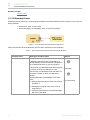
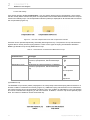
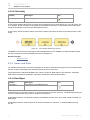
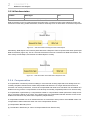
An End Event indicates where a particular process will end. In terms of sequence flows, an End Event ends the
flow of a process, and thus, will not have any outgoing sequence flow.
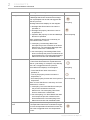
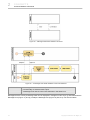
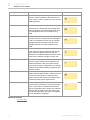
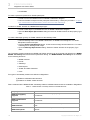
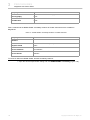
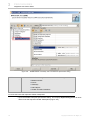
There are nine (9) End Event types that are used in business process modeling (Table 4).
Table 4 -- Types of End Events in Business Process Modeling
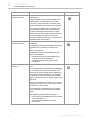
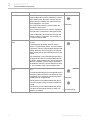
End Event
Stereotype and Description
None End Event
«NoneEndEvent» [ActivityFinalNode]
Notation
A None Start Event does not have a defined
result.
Message End Event
«NoneEndEvent» [ActivityFinalNode]
A Message End Event indicates that a message
will be sent when a process is completed.
Message End Event displays on the diagram:
• Message End Event name if the name is
specified, or.
• Message Ref property value if the name is
unspecified, or.
• Operation Ref property if name and Message
Ref are not specified.
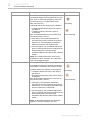
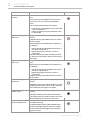
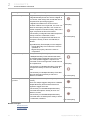
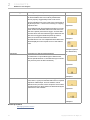
Error End Event
«NoneEndEvent» [ActivityFinalNode]
An Error End Event indicates that a named error
will be generated and this will result in the termination of all of the currently active threads in a
particular SubProcess.
Error End Event displays on the diagram:
• Error End Event name if the name is
specified, or.
• Error Ref property value if name is
unspecified.
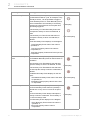
Escalation End Event
«EscalationEndEvent» [ActivityFinalNode]
An Escalation End Event indicates that an Escalation should be triggered. Other active threads will
not be affected by this and will continue to be executed.
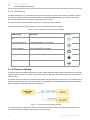
Escalation End Event displays on the diagram:
• Escalation End Event name if the name is
specified, or.
• Escalation Code property value if then name is
unspecified.
24
Copyright © 2009-2011 No Magic, Inc..