1
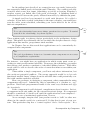
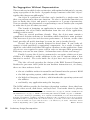
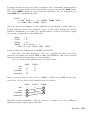
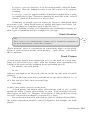
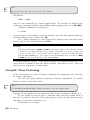
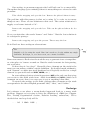
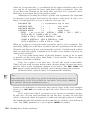
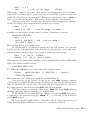
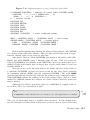
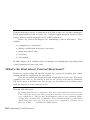
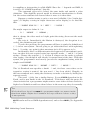
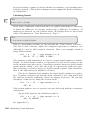
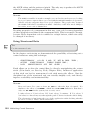
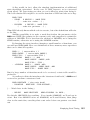
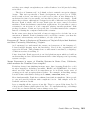
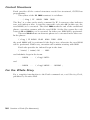
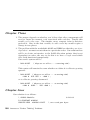
Suppose we want to decrement the contents of the variable VALUE, but we don’t
want the value to go below zero:
-1 VALUE +!
VALUE @
-1 = IF
O VALUE !
THEN
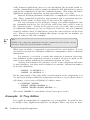
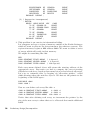
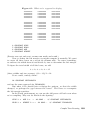
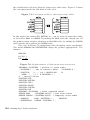
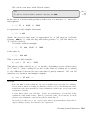
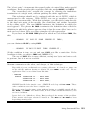
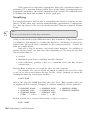
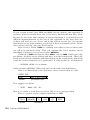
This is more simply written:
VALUE @
1-
O MAX
VALUE !
In this case the conditional is factored within the word MAX.
Using Decision Tables
Tip
Use decision tables.
8.13
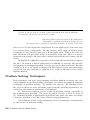
We introduced these in Chapter Two. A decision table is a structure that contains either data (a “data table”) or addresses of functions (a “function table”)
arranged according to any number of dimensions. Each dimension represents
all the possible, mutually exclusive states of a particular aspect of the problem. At the intersection of the “true” states of each dimension lies the desired
element: the piece of data or the function to be performed.
A decision table is clearly a better choice than a conditional structure
when the problem has multiple dimensions.
One-Dimensional Data Table
Here’s an example of a simple, one-dimensional data table. Our application has
a flag called ’FREEWAY? which is true when we’re referring to freeways, false
when we’re referring to city streets.
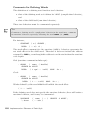
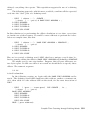
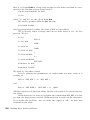
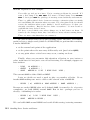
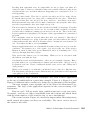
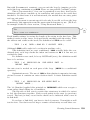
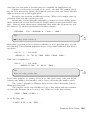
Let’s construct the word SPEED-LIMIT, which returns the speed limit
depending on the current state. Using IF THEN we would write:
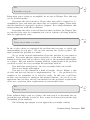
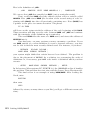
: SPEED-LIMIT ( -- speed-limit)
’FREEWAY? @ IF 55 ELSE 25
THEN ;
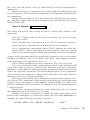
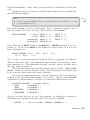
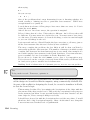
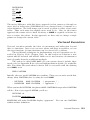
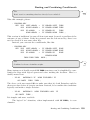
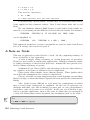
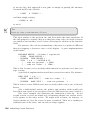
We might eliminate the IF THEN by using a hybrid value with AND:
: SPEED-LIMIT
25
’FREEWAY? @
30 AND + ;
But this approach doesn’t match our conceptual model of the problem and
therefore isn’t very readable.
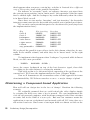
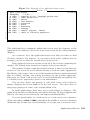
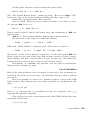
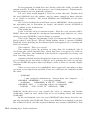
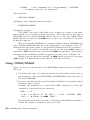
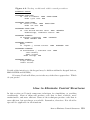
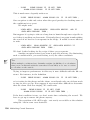
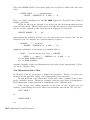
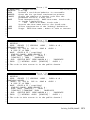
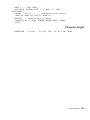
Let’s try a data table. This is a one-dimensional table, with only two
elements, so there’s not much to it:
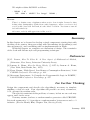
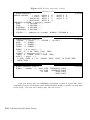
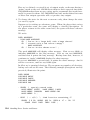
CREATE LIMITS
25 ,
55 ,
Using Decision Tables 243