1
•
Telangiectasia
•
Mild to moderate rhytides (wrinkles)
•
Enlarged pores
•
Acne scarring
•
Skin laxity
The exact mix of these elements will depend upon age, sex, and ethnic background
(eg, Asians predominantly exhibit pigmented dischromia while many Caucasians
have telangiectasia as the primary component of photoaging).
Therefore, several differently targeted treatments may be required to deal with all of
the elements of photoaging. More aggressive device settings will result in more
downtime for the patient and more side effects such as erythema, edema (swelling),
bruising, and crusting of pigmented lesions while less aggressive treatments will
mean more treatments will be required.
In a comprehensive treatment program, the first step is to treat epidermal pigmented
lesions. Reduction of superficial pigmented blemishes allows deeper penetration of
light energy at subsequent treatments.
The second step is to treat vascular lesions. These treatments (typically 4-6 weeks
apart) may also improve appearance of acne lesions, help clear infected hair follicles,
and stimulate collagen neo-genesis.
Over several months, the end result should be enhanced skin texture and pore size,
better skin hydration and elasticity, and improved skin translucence. Reduction in the
appearance of fine lines and wrinkles in the skin has also been reported using IPL
devices as part of a comprehensive treatment regime.
Skin Analysis – Fitzpatrick Skin Typing
Skin type is one of the most important factors in identifying whether patients are
appropriate candidates for light-based treatment and in determining initial treatment
parameters.
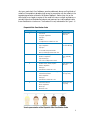
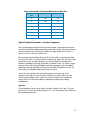
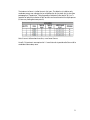
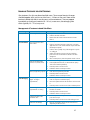
Skin is most often classified based on the Fitzpatrick Skin Classification Scale. The scale
classifies skin based on complexion (pigmentation) and tendency to burn. According
to Fitzpatrick, skin can be classified according to six types, as shown in the table and
figure.
The most difficult patients to treat are those with Fitzpatrick skin type 1 who have a long
history of sun exposure. In these patients, connective tissue is so fragile that typical IPL
settings may damage the skin, with higher incidence of bruising, swelling, and
blistering. In such cases, low energy settings must be used in early treatments until
the supporting dermal connective tissue is strengthened and the redness is reduced.
A standard five-treatment program is usually extended in this patient group. Very dark
8