1
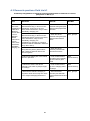
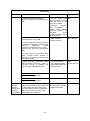
The audio recording was received positively by two Pwds and their informal carers. One of the Pwds
immediately knew how to use it; the other had some difficulties with it. The buttons for making the
audio recording were considered small. Another limitation was that the audio message could not be
played back and the visual confirmation of successful recording came rather late, after the recording
had stopped.
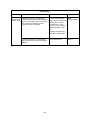
As for new functionalities: One Pwd did not miss any function on the system. She wondered what else
could be necessary to have in everyday life. One Pwd suggested an extra function to allow choosing
pieces of music manually and an informal carer suggested an extra button with a picture of the artist or
album to choose from. One informal carer suggested guidance for using the remote control of the TV,
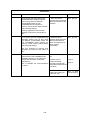
as the Pwd seemed to have difficulties with this (the Pwd did not agree). One informal carer suggested
that the reminders could be accompanied by a recognisable melody or a verbal reminder (recorded by
the informal carer) that stimulated the Pwd to act upon the reminder. Another informal carer suggested
recording the content of calls, so that they could be played back to check whether appointments and
the like had been made. When asked about the usefulness of the GPS technique allowing the carer to
see where the Pwd is, the Pwd joked to the informal carer that she did not feel unsafe on the streets.
However, the informal carer would feel more at ease when the Pwd ZHQWRXWLID³ORFDWRU´IXQFWLRQZDV
available.
Belfast
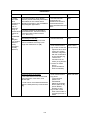
All the persons were able to read the text on the home screen with no problems. The icons for the
telephone, music and radio did not cause any confusion for most of the Pwds. However, one Pwd
would hesitate when asked to turn on the music or radio. This resulted in the Pwd hovering with his
finger over the phone, music and radio icons, unsure which one to press. This pausing before
selecting the appropriate icon was particularly prevalent during the first couple of attempts; however,
after a few tries the Pwd became much more competent. All the Pwds recognised their relatives right
away, and in most cases this was the first thing that was recognised, particularly the picture in the help
function. There were no complaints about the colours or icons used in the interface design. However,
one Pwd VXJJHVWHGWKDWWKHZRUGµVWRS¶EHXVHGLQVWHDGRIµEDFN¶ZKHQH[SORULQJWKHSKRQHPHQXV
The design issues of the mobile device made a much stronger impression on the Pwds and their
informal carers. The icons were reported to be less clear than those used on the stationary device,
and it was also more difficult to read the text on the mobile device. The external buttons proved to get
in the way and on some occasions features were activated by mistake, such as the audio recording
function. In addition, the mouse roller button was often activated, resulting in the roller being
illuminated. This caused confusion and the feeling that the Pwd had done something wrong, upon
which they would gesture with the device to the closest person, hoping that this person could fix it. As
the majority of the Pwds were female, attaching the mobile device to the body was not really an issue
± all the female Pwds preferred to store or carry the device in their handbag.
The phone connection was problematic, as a continuous beep would sound throughout the call and
would continue even after the handset had been reset. This caused some confusion, and in some
cases the Pwd thought that the beeping noise was to signal that the call was in progress. In general
the Pwds were able to make calls and connect to their intended recipient even with the technical
problems that this feature presented.
Ease of learning: The majority of the Pwds were able to learn the various features of the system with
few problems, and in some cases were operating features such as music and radio without any
direction. One Pwd in particular had some difficulties in learning how the functions operated and where
they were located on the screen.
106