1
This product must never be connected to any shared chimney.
An efficient modern stove places heavy demands on the chimney, and you should have the chimney
regularly swept and inspected by your approved chimney sweep.
The installer must ensure that the chimney is examined for soundness and suitability before the
appliance is installed. Remedial action should be taken if required, seeking expert advice if
necessary. Where the chimney is believed to have previously served an open fire installation it is
possible that the higher flue gas temperatures from a closed appliance may loosen deposits that
were previously firmly adhered, with the consequent risk of flue blockage. It is therefore
recommended that the chimney be swept a second time within a month of regular use after
installation.
The cross-sectional area of the chimney (at its narrowest point) must comply with National and
Local Building Regulations. Generally, the area needed for a wood-burning stove installation should
measure at least 150 mm internal diameter.
An over-sized chimney is generally hard to keep warm and results in poor draft. In cases where
there is an oversized masonry chimney, it is recommended that the chimney be lined using an
appropriate chimney lining system with the correct internal diameter.
With respect to the chimney termination, all chimneys should terminate in accordance with national
and Local Building Regulations.
Note that National and Local Regulations also apply with regard to the placement of chimneys and
flues in connection with thatched roofs.
The chimney or flue system must be equipped with access doors for inspection and cleaning. The
size of the cleaning door in the chimney must at least equal to that of the cross-sectional area of the
chimney. In the event that a chimney fire occurs resulting from faulty operation or prolonged use of
damp wood fuel, close the air vents completely and contact your local fire department immediately.
2.5 Pipe connections
The stove is supplied with a 125mm diameter outlet collar to which an approved suitable gauged
metal rigid stove flue pipe of compatible and correct size is installed (not supplied), this rigid stove
flue pipe must be connected correctly to the chimney or flue way.
The chimney or flue way that the stove pipe is connected must be of at least 125mm internal
diameter or (ii) rectangular or square flues having the same cross sectional and a minimum
dimension of 100mm for straight flues or 125mm for flues with bends or offsets. Refer to current
Building regulations, any rules in force including BS 8303 and BS EN 15287-1:2007.
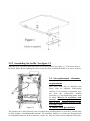
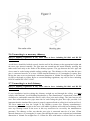
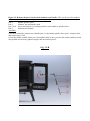
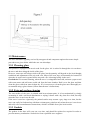
There are two stove flue exits enabling top or rear venting depending on installation requirements.
Using suitable stove sealer between flue collar and stove securely bolt into position to the flue exit
position required. Blank the redundant stove flue exit using the blanking plate supplied using
suitable stove sealer and fixing bolt and clamp supplied. See figure. 3