1
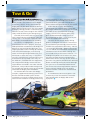
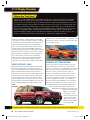
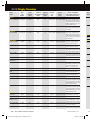
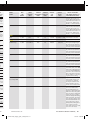
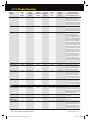
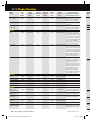
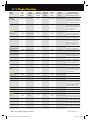
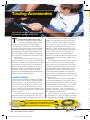
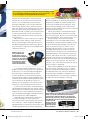
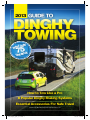
Tow & Go I f you enjoy the thrill of exploring the open road in your motorhome, you’ve probably found a few instances where bigger is not always better. That’s where towing a dinghy behind your coach becomes advantageous. Want to know more? The 2013 Guide to Dinghy Towing provides a selection of informative articles and a listing of new vehicles ready-made to enhance your RVing lifestyle. Granted, no manufacturer has yet to engineer a plug-and-play setup directly from the factory, but it’s never been simpler to equip both dinghy and motorhome for road duty. For starters, as highlighted in “Things to Know Before You Tow” (page 6), the hard hookup between motorhome and dinghy has become an easy one-person operation: selfaligning tow bars make cinching up a breeze; with some tow-bar designs, even routing cables and wiring through hollow arms, the connection is more than easy, it’s eye-pleasing. Plus, manufacturers are offering an array of accessories to help keep it that way: An RV underskirt, fitted beneath the equipment, will safeguard the dinghy vehicle and towing hardware from debris. For more ironclad protection, nearly indestructible rock guards are available that quickly attach to the tow bar and shield the dinghy from road debris. Yet another device to aid in safe dinghy transport, supplemental braking systems have likewise evolved. Portable systems can be installed in just minutes, and permanent installations remain unobtrusive. Dinghy brakes may www.motorhome.com P3-2013_dinghy_guide_tow and go.indd 3 not be mandatory in some states but any time you add a few tons of weight to the back of your motorhome, you need a way to slow it down without taxing the brakes on your coach. And make no mistake, contemporary motorhomes can accommodate a lot of dinghy weight. While many new chassis are rated to handle at least 4,000 pounds of dinghy weight, certain luxury coaches today carry gross combined weight ratings (GCWR) of 60,000 pounds or more — with up to 25 percent of that dedicated to towing. The focus of our annual dinghy towing guide is the dinghies themselves. Manufacturers are becoming increasingly sensitive to the needs of the motorhome community, and the “2013 Dinghy Roundup” (beginning on page 12) lists vehicles that have been manufacturercertified for four-wheels-down towing. The list includes many of the newest vehicles — including nine hybrids. For all-terrain fun, there are plenty of 4WD vehicles to choose from. While some vehicles are easy to tow, others require that very specific procedures be followed before and during towing to prevent damage. This year we’ve included expanded information on the manufacturer guidelines required for flat towing, though you’ll still need to check the owner’s manual for more detailed procedures. As motorhomes continue to grow in size and stature, life on the road has never been more comfortable. A dinghy adds to that enjoyment. 2013 GUIDE TO DINGHY TOWING | 3 1/24/13 4:28 PM