1
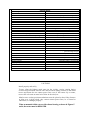
Specifications
Input Voltage
Optional
Motor
Brake Solenoid
Power Transformer
Optional
Meter Transformer
Optional
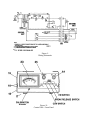
Meter
Meter Scale
Optional
Maximum Antenna Size:
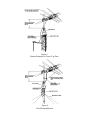
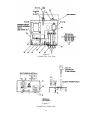
A. Tower Mounted as per Figure 3
B. Outside Tower or mast Mounted as per Fig. 5 or 6
*Maximum Effective Moment (EM)
Operational Temperature Range
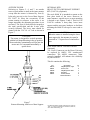
Maximum Interconnect Cable Resistance:
A. Terminals 1 and 2
B. Terminals 3,4,5,6,7, and 8
Rotation Time
Brake
Rotator Size
Maximum Antenna Mast Size
Mounting Hardware
Control Unit Size
Shipping Volume
Shipping Weight
120 VAC 50/60 Hz
220 VAC 50/60 Hz
24 VAC 2.25 Amp, capacitor start, capacitor run
24 VAC, 5.0 Amps
120 VAC/26 VAC 10% duty, thermal switch protected
220 VAC/26 VAC 10% duty, thermal switch protected
120 VAC/23 VAC continuous duty
220 VAC/23 VAC continuous duty
DC voltmeter 1000 ohms/volts, 1 MA full scale
Direct Reading: North centered, 5 degree increments
Direct Reading: South centered, 5 degree increments
15 sq. ft. (1.4 sq. m) of wind surface area
7.5 sq. ft. (0.7 sq. m) of wind surface area
2,800 ft. lb. (387 Kg. M)
-30 deg. F to 210 deg. F (-34 deg. to 99 deg. C)
.8 ohm
2.0 ohms
45-60 seconds with 60 Hz input
Positive, electrically operated wedge, 75 segments
spaced 4.8 degrees apart
8 in. (20 cm) max. diameter by 13.5 in. (34 cm) high
2 1/16” O.D. (52 mm)
Stainless steel hardware and plated steel clamp plate
8.5 in x 9.0 in. x 4.3 in. (21.6 cm x 22.8 cm x 11.0 cm)
2,280 cubic inches (37,350 ccms)
23.4 pounds (10.6 kb)
CAUTIONS
Install properly and safely
Towers, often the highest metal parts tin the vicinity, require caution during
erection and placement. Extreme care must be taken during erection so that metal
towers and beams do not contact power lines even if the beams slip or rotate,
towers fall or fracture or metal wires blow in the wind, etc.
Metal towers or other position mechanisms must be placed so that if they fracture
or blow over in high winds, they cannot contact power lines, be a hazard to
individuals, or endanger property.
When no mounted within a tower with a thrust bearing, as shown in Figures 5
and 6, the rotator must be DEBATED.