1
Worldwide Source for Technologically Advanced Catalytic Converters
SOLUTIONS
A Catalytic Converter Information
Booklet And A Diagnostic Manual
For Troubleshooting Catalytic
Converter Problems, Replacement
And Questions
4410 West 37th Ave.
Hobart, IN 46342
800.247.2515
P. 219.947.1664
F. 219.942.6522
© 2010 Airtek, Inc.
www.catcoglobal.com
Contents
Section One:
Catalytic Converter general information
Section Two:
General guidelines, non-OBD II systems
Section Three:
OBD/OBD II systems
Section Four:
IM 240 or equivalent testing
Section Five:
EPA rules/regulations
457
Section One
458
CATALYTIC CONVERTERS
A catalytic converter is a device that chemically changes the harmful components of
Internal Combustion engine exhaust into harmless gasses.
A converter is made up of several parts.
1. SUBSTRATE - serves as the internal structure to which the catalyst washcoat
and noble metals are deposited upon. It is through this substrate that the engine
exhaust flows through, or comes in contact with, to have a chemical reaction.
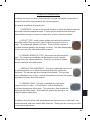
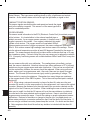
a. PELLET TYPE - small ceramic pellets are treated with washcoat
and noble metals.They are held in place inside the converter body in a
cage. The exhaust gas passes over them. There could be a couple of
hundred thousand pellets in the average converter. The main disadvantage
of this converter is the high exhaust back pressure.
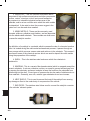
b. CERAMIC MONOLITH TYPE - Also known as the honeycomb
type. This ceramic type substrate has thousands of small channels
through which the exhaust gas flows. This piece of ceramic is treated
with the washcoat and noble metals.
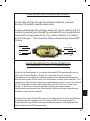
c. METALLIC FOIL SUBSTRATE - This type of substrate uses wound
or stacked metal foil on to which the washcoat and noble metals are
deposited. The exhuast gas flows through this substrate. This type has
many advantages over ceramic, such as, being able to be made into shapes
that cannot be easily done with ceramic.
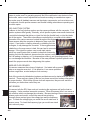
d. CERAMIC FOAM - This type of substrate is composed of
ceramic solution on foam. It is then fired in a kiln to develop the
mutli-pore design seen in this photo. This substrate is then treated with
washcoat and noble metals. As the exhaust gasses flow through it, the
catalytic reaction takes place.
In addition, there are some other substrate designs that use screen, metal foam, wire
wound elements, and even ceramic fiber elements. These types are currently not used
in automotive applications.
459
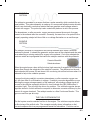
2. WASHCOAT - This is a chemical formulation that is
comprised of high surface area alumina and other compounds,
such as, cerium, zirconium, nickel, barium and lanthanum.
Its purpose is to extend the physical surface area of the
substrate, and to act as a surface onto which the noble metals
are deposited. It also acts to store the excess oxygen in the
system so it can be used when needed.
3. NOBLE METALS - These are the commonly used
elements; platinum, palladium and rhodium, and are deposited
onto the washcoated substrate. These metals are what serve
to cause the catalytic reaction.
The definition of a catalyst is: a material which increases the rate of a chemical reaction
while it is treated during the noble metal and washcoat process, it passes through an
oven process which removes excess water and calcines in the substrate. This means it
removes all traces of the chemical carriers which are used to deposit the noble metals
during the preparation of the catalyst.
4. SHELL - This is the stainless steel enclosure which the substrate is
contained in.
5. INNERAM - This is a ceramic fiber based material which is wrapped around the
ceramic substrate. It acts as a vibration cushion, as a seal to prevent exhaust gas from
by-passing the substrate, and as an insulator to keep the heat from the substrate from
transferring into the shell. Some types of inneram can also be made of stainless wire or
silica materials. Generally, as a rule, metallic type substrates do not use inneram.
6. HEAT SHIELD - This is used to prevent the heat of the catalyst from causing
any damage or fires to the under body or components of the vehicle.
7. END PIPES - The stainless steel tubes used to connect the catalytic converter
to the vehicles’ exhaust system.
460
HOW DOES THE CONVERTER WORK?
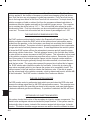
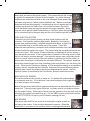
As the exhaust flows through the substrate inside the converter
housing, the catalytic reaction takes place.
As the pollutants like NO2 (nitrogen oxide), HC (hydro carbon) and CO
(carbon monoxide) pass through the substrate they are converted into
less harmful compounds such as CO2 (carbon dioxide), H2O (water)
and N2 (nitrogen). This conversion starts at temperatures around 2500
Celsius.
HC
CO2
CO
NOX
H2O
N2
RULES REGARDING THE DEVELOPMENT OF
AFTERMARKET CATALYTIC CONVERTERS.
Rules for the development of converters that satisfy EPA requirements are set
forth in the Federal Register. Briefly, the rules state that the converter
manufacturer must submit two catalyst samples to an independent laboratory,
who will accumulate 25,000 miles or its equivalent, on each of the catalysts. The
catalysts are then tested for emissions performance and must convert a minimum
of 70% Hydrocarbons and Carbon Monoxide and 30% NOX on a worst case
vehicle. A worst case vehicle is defined as having the largest engine
displacement and heaviest test vehicle weight that the converter manufacturer
intends to cover with the catalyst.
Currently, the United States EPA requires the aftermarket converter manufacturer
to warranty that the converter will not cause the MIl (check engine light) to
illuminate within the 25,000 mile required warranty period of the substrate that
has met all the prior EPA requirements.
461
Section Two
462
THE BASICS OF VEHICLE EMISSION SYSTEM
TROUBLESHOOTING
A customer walks into your shop, his car is stalling and will not run above 20 mph. You
check the car out and tell him the catalytic converter is bad and you replace it. Off
he goes, but did you really fix his problem? Was the old converter melted down and
plugged? Why had it failed? Will the customer come back with the same problem?
Did replacing the converter really fix the problem or just remedy it temporarily? This
booklet will try to help you answer these questions and give you some direction in
diagnosing and reparing emission system failures.
CONVERTERS: WHAT DO THEY DO?
A catalytic converter is a device located in the exhaust system of all cars and most light
trucks produced since 1975. It chemically changes pollutants like carbon monoxide,
hydrocarbons and nitrogen oxide into harmless substances like carbon dioxide,
nitrogen and water vapor. A converter uses an inside structure called a substrate that is
plated with precious metals such as platinum, palladium and rhodium. These elements
cause the chemical change.
TESTING OF CONVERTERS
THE THUMP TEST:
Thump the converter with your fist. If it is a monolith type and you hear pieces moving
around inside the converter, chances are the substrate has come apart. If it is a
pellet type, you should hear pieces moving when you hit it. If you do not, chances are
the pellets have melted together.
THE VACUUM TEST:
By using a vacuum gauge, you can tell if the converter is plugged. Connect the gauge
to a manifold vacuum source and quickly move the throttle to midway of its travel, then
let it snap back to idle. A proper vacuum reading will be about 15-20 in Hg at idle.
When you quickly accelerate the engine, it will drop to zero. When you release the
throttle, it will quickly return to its proper idle reading. If there is a long delay in return of
the proper vacuum reading, it is a good indication of a restricted exhaust; most likely a
plugged converter.
THE TEMPERATURE TEST:
For this test you will need a digital pyrometer. To commence testing, run the vehicle at
a high rpm for two minutes (about 2000 rpm). This needs to be done to ensure that the
converter has had time to activate. Touch the probe of the pyrometer to the front of the
converter and note temperature. Touch the probe to the rear of the converter and note
463
temperature. There should be a noticeable difference between the two temperatures,
with the rear temperature being hotter. If the rear temperature is not hotter than the
front, the converter is not working properly.
THE BACK PRSSURE TEST:
This test will require a back-pressure gauge. An inexpensive back-pressure gauge can
be made from a small pressure gauge that reads from 0 to 30 psi, a piece of vacuum
tubing and a small 1/8” O.D. piece of copper tube is inserted into. A back-pressure
gauge may also be purchased from numerous sources, pre-made.
To use the back-pressure gauge, drill a 1/8” hole in the exhaust pipe at the front of
each converter. With the engine running, check the back pressure. The back pressure
should be no more than 4 to 5 psi. This reading is with the throttle partly open at 2500
rpm. When checking exhaust back pressure, be sure to check at the inlet and outlet of
each converter or exhaust component tested. A reading of 1/2 to 2 psi is normal.
By using a plug with the same thread as an oxygen sensor, you can remove the O2
sensor, install the plug into the hole and connect it to your back-pressure gauge. To
do this, you will need to obtain a plug with an 18mm x 1.25 thread. This plug may be
purchased at any auto parts store under the name of Spark Plug Non Fouler Adapter.
You can also save one out of a CATCO catalytic converter that comes with one. You
will then need to fix a small piece of 1/8” O.D. tube to the back side of the plug. This
will serve as a way to connect it to your gauge by the vacuum hose. If additional help is
needed, call the CATCO technical hotline at (800) 247-2515.
EXHAUST GAS ANALYZER TEST:
A gas analyzer will tell you if the converter is functioning properly. By checking your CO
(carbon monoxide) reading, you will be able to tell if the system is operating rich.
Hooking up the machine differs according to the model and brand of analyzer being
used. Consult the analyzer manual for instructions. Once you have determined that the
converter has failed, the next step should be to find out why it failed. As a rule of thumb,
the following will usually be correct over 95% of the time: if the tail pipe reading shows
that hydrocarbons (HC) are higher than 125 ppm, but less than 400 ppm and carbon
monoxide (CO) is greater than 0.3% and oxygen (O2) is greater than 0.4%, the
converter is most likely defective.
TESTING OF CONVERTERS
You remove a defective converter from a car and it has melted down. What could have
caused the converter to melt down? A step by step approach is needed to find the
answer; so let’s start at the begining:
464
FUEL:
Unleaded fuel must be used in vehicles with a catalytic converter. Using leaded fuel will
cause the converter to become plugged and inoperative. Also, some gas additives can
damage a converter. Always check the instruction label of any additive added to your
fuel system to be sure that it is converter safe!
OXYGEN SENSOR:
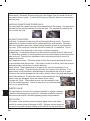
This sensor sends information to the ECU (Electronic Control Unit) to maintain proper
air/fuel mixture. It is located either in the exhaust manifold, pipe or catalytic converter.
As an oxygen sensor operates, it checks to see if oxygen is present in the system. If no
oxygen is detected, this would indicate a rich mixture and the
oxygen sensor will read about 900mV (millivolts). when excessive
amounts of oxygen are present, the sensor voltage will read about
100mV. Rich mixtures mean high readings, lean mixtures mean low
readings. Please note taht the exhaust temperature must be at least
600 degrees Farenheit for the sensor to operate. The
measurements should only be taken with a multimeter that has a
10 meg ohm impedance rating. Failure to follow this rule may cause
you to replace the vehicles ECU. A properly functioning sensor will
oscillate between 900mV and 100mV every few seconds. You can measure this with
your multimeter. If the reading does not oscillate or stays fixed, the sensor is defective.
Also, note that silicone, from either antifreeze or RTV (silicone) sealant, can clog an
oxygen sensor and make it defective. If the vehicle has a coolant leak into the
combustion chamber, the sensor should be replaced. When using a silicone sealer,
make sure it is oxygen sensor safe. Consult the last pages of this catalog for wiring
information on O2 sensors. Also note, there are two types of oxygen sensors. The
Zirconia, the most common type, works by generating a voltage. The Titania type works
by varying its resistance.
IGNITIION SYSTEM:
Many parts are used in the ignition system. This system delivers the
voltage or spark to the appropriate cylinder to fire the engine. Any of
the following problems can cause the converter to fail or be damaged;
fouled spark plugs, bad spark plug wires or carbon tracked distributor
cap. Make sure all spark plugs and wires are firing properly. A misfiring
plug not only wastes gas, but it makes the mixture rich. In time this will
ruin the converter. Be sure to check distributor timing and vacuum
advance for proper operation.
CARBURETOR SYSTEM:
A carburetor is a device that mixes gasoline with air and delivers it into
the intake manifold for the engine to burn. If a carburetor is worn or
defective, it may be the cause of a converter failure. Problems such
as improper float adjustments, air/fuel mixture adjustments, out of
465
spec or worn metering rods can cause damage to the catalyst. Also, check the choke
system to make sure it is operating properly and if the carburetor is an electronic feedback modle, make sure all adjustments are made according to manufacturer specs.
Also make sure all feedback sensors and electronic components, such as mixture control solenoids, throttle position sensors and throttle holding solenoids are operating and
are within specs.
FUEL INJECTION SYSTEM:
Problems in the fuel injection system can also cause problems with the converter. Fuel
injection systems differ greatly. Basically, a fuel injection system uses small electronically controlled solenoids that deliver or inject fuel into the throttle body, or into the intake
part of the engine. These little solenoids are controlled by a computer which obtains
information from various sensors located throughout the engine.
These sensors help the computer to determine how much fuel
to inject. If an injector is leaking internally or dribbling fuel into
the engine, it may damage the converter. If the oxygen sensor
is defective or the map sensor is bad, this can lead to converter
damage. If the injection system uses a cold start injector
(which is a small injector that is used to richen theh mixture by
injecting fuel into the intake air stream when the engine is cold)
and it is leaking or dripping, or if its temperature sensor is not operating properly, this
too, can damage the converter. Because of the many different injection systems used,
consult the proper manual when diagnosing this system.
MASS AIR FLOW SENSOR:
This sensor measures the volume of intake air. It is tested with a special
tester or a computer scan tool. If it is defective, it can cause problems
such as rough idles, no start and poor fuel economy.
Most of the previously talked about systems and devices can be tested with the use of a
scan tool. There are many types of this tool, so please consult tool makers information
for proper hookup. While some of these tools are expensive, they are well worth the
cost when you realize how useful they are.
MAP SENSOR:
This sensor tells the ECU how much air is entering the engine as well as the load on
the engine. It also monitors barometric pressure. When this sensor fails it can cause a
rich condition which can damage the converter. Because testing of these sensors vary
between make and model, consult the manual beore testing.
Generally there are two types; the voltage type and the frequency
type. To check the voltage type you would use a volt meter and a
vacuum pump. To check the frequency type you would use a tach
and a vacuum pump.
466
CANISTER PURGE VALVE:
This vacuum-operated valve vents fuel vapors from the carburetor
bowl to the charcoal canister. If the diaphragm becomes ruptured,
the charcoal canister will flood and the mixture will become very rich
and can damage the converter. To check the valve, disconnect the
hoses to see if any gas comes out of the hoses or valve. If there is
gas, the valve should be replaced.
AIR INJECTION SYSTEM:
Air Pumps - Air pumps operate from the vehicle engine through a belt. This pump
supplies the air injection needed at the catalyst and at the air manifolds. Generally,
when this component goes bad, it stops turning, breaking its belts or it just becomes
very noisy. If the pump won’t turn and the belt is broken off, it is defective. The air
injection system as a whole aids in the control of carbon monoxide.
Air Manifolds - Air manifolds direct air into the exhaust manifolds to aid in reduction of
CO. When they go bad it is usually obvious due to the loud exhaust noise coming from
under the hood. Check the air manifolds to make sure they are free of rust out or
corrosion when cool.
High Temperature Hose - This hose routes air from the air pump and diverter valve to
the air manifolds and check valves. If this hose is found to be burnt, check the exhaust
check valve that is in that hose; it may be defective.
Check Valves - These valves allow air to pass to the various components (ie. air
manifolds, converter). They should only allow the air to pass in one direction. If air
passes freely in both directions, the diaphragm is ruptured and the valve is no good.
This failure can lead to damage of the air pump, diverter valve or the high temperature
hose if left unchecked. If hoses are melted or components like the air pump or the
diverter valve are damaged, check the exhaust check valves.
Converter Air Tubes - These tubes route air into the catalyst
to help aid in the oxidation process. Check to make sure it is
connected and that it is not rusted through.
DIVERTER VALVE:
This valve helps to route air to the exhaust manifold or catalytic
converter to assist in maintaining proper emissions. Operation should
be checked and a manual should be consulted regarding proper
test procedures.
467
EGR SYSTEM:
This system routes small amounts of exhaust gasses back to the intake manifold to
reduce oxides of nitrogen or NOX. Systems vary by design, so you need to consult the
proper manual for the vehicle you are working on. Some newer systems also use an
EGR valve position sensor. If the exhaust system you are working on has one, it must
be checked also. While a bad EGR system will not lead to a converter failure, it might
be the reason why the vehicle has a NOX problem. The EGR valve should be checked
according to the vehicle manufacturers procedure to determine if it and its system
components are functioning properly. Make sure the valve moves
when vacuum, pressure or electric signal are applied and that the
passages are open and not plugged with carbon. Also, check any
switches, relays or solenoids that are used. Generally, the EGR
valve can be checked with a vacuum pump. However, some late
1970’s Ford EGR valves worked by air pressure supplied by the
air pump. some EGR valves operate with positive or negative exhaust back pressure.
Also, be aware taht some EGR valves are totally electronic. Always consult a service
manual for proper service and test procedures.
IDLE SPEED CONTROL MOTOR:
This device helps the computer controlled engine to maintain proper idle
speed. When this device goes bad, it can cause erractic idle speed,
stalling, hesitation or engine run-on. This device can be checked with a
9 volt power source and an ohm meter. Consult vehicle service manual
for proper wiring diagram and test procedure.
AIRTEMP SENSOR:
This sensor is sometimes called a Manifold Temperature sensor or an
Air Charge Temperature sensor. It monitors the temperature of the
intake air, and if defective, it causes a problem of poor overall
performance, heavy black exhaust smoke and bad fuel economy. It is
tested with an ohm meter.
COOLANT TEMPERATURE SENSOR:
This sensor is located on either the water outlet or the engine block. It monitors engine
coolant temperature. The computer uses this information to control
idle speed, timing and fuel mixture. If this sensor goes bad, it can
cause heavy black exhaust smoke, surging or poor fuel economy. To
test this sensor, with the engine cold, disconnect the sensor wire
harness. With an ohm meter, measure the resistance across the
sensor, then reconnect the sensor harness and run the engine for 3 to 5 minutes until it
reaches normal operating temperature. Disconnect the wire harness and again
measure resistance across sensor. If the difference between cold and hot readings is
less than 200 ohms, the sensor is defective.
468
POSSIBLE EXHAUST EMISSION DEVICE PROBLEMS
AND CAUSES
BLACK EXHUAST SMOKE
*Oxygen Sensor
*Coolant Temp Sensor
*Map Sensor
*Air Change Sensor
STRONG EXHAUST SMELLS
*Catalytic Converter
*Map Sensor
*Air Change Sensor
MELTED CONVERTER
*Oxygen Sensor
*Fuel System Problems
*Ignition Problems
*Map Sensor
*Vehicle Overload
469
CONVERTER PROBLEM FLOW CHART
VEHICLE FAILS
EMISSION TEST
CONVERTER GETS
RED HOT
CHECK SPARK
PLUGS, WIRES &
IGNITION SYSTEM
PLUGGED OR
CONTAMINATED
CONVERTER
MELTDOWN
DAMAGE TO
SHELL OR PIPE
CHECK FUEL TYPE
USED
SEE CHART C
CHECK IF ANY
ADDITIVES WERE
USED
CHECK TIMING
& IDLE
ADJUSTMENTS
CHECK FOR
EXCESSIVE OIL
BURNING
CHECK AIR/FUEL
ADJUSTMENTS
CO READING HIGH:
SEE CHART A
HC READING HIGH:
SEE CHART B
CHECK FOR RTV SILICONE
CONTAMINATION OR
ANTIFREEZE LEAK INTO
COMBUSTION CHAMBER
REPAIR CAUSE OF
OVERHEATING
CONVERTER
REPLACE CONVERTER
CHART A
CHART B
CHART C
POSSIBLE HIGH CO READING
CAUSES
POSSIBLE HIGH HC
READING CAUSES
FAULTY IGNITION
COMPONENTS THAT
CAN DAMAGE A
CONVERTER
~ Improper idle speed or
mixture
~ Inoperative air pump or air
injection
~ Inoperative choke
~ Faulty PVC
~ Improper timing
~ Faulty gas check valve
~ Faulty
~ Faulty O2 sensor
~ Fuel system malfunction
~ Faulty converter
~ Ignition system malfunction
~ Vacuum leak
~ Fuel system malfunction
~ Engine mechanical damage - worn rings or burnt valves
~ Faulty o2 sensor
~ Faulty canister purge valve
~ Overly rich fuel mixture
~ Faulty converter
~ Faulty PVC valve
~ Cracked distributor cap
~ Faulty coil
~ Faulty spark plug wires
~ Fouled plugs
~ Faulty rotor
Section Three
471
OBD II: WHAT IS IT?
OBD II refers to the On Board Diagnostics generation two. This is a system that has the
ability to test its various components and systems and tell the driver when a fault has
been detected that will cause the vehicle to put out excessive emissions. This system
first became available on passenger cars in the 1995 model year and 1996 for light
trucks with a gross vehicle weight of under 8500lbs.
WHAT CAN THE SYSTEM DETECT?
The system has the ability to detect malfunctions in many engine systems that can
cause excessive emissions. Let’s look at the individual system checks or monitors and
how they work. The OBD II system uses different monitors. These monitors are divided
into three types:
1. Comprehensive Component Monitor
2. Continuous Monitor
3. Non Continuous Monitor
The Comprehensive Component Monitor runs electrical tests on all of the sensors to
ensure that they perform. It tests the sensor range and also does rationality tests. This
test ensures that the sensor output makes sense or are rational when compared to each
other.
NTK Sensor Shown
Gray Wire, Sensor Ground
Probe Tip
Black Wire, Sensor Signal
White Wire, Heater Circuit
Connector
OXYGEN SENSOR SYSTEM MONITOR
The O2 sensors are monitored or checked for proper reference signals and to make
sure that the heater circuit is functioning. O2 sensors that are located before the catalytic converter are tested for high and low voltage thresholds and for switching frequency.
the switching frequency test will count the number of times that the signal voltage goes
beyond the mid point of 450 millivolts during a specified time frame and compares this
figure with the information stored in the vehicles computer. The system will also count
the rich to lean transition and the lean to rich transition. This, again, is checked against
the time stored in the vehicles computer. For universal O2 wiring information, please
see the O2 sensor section of this catalog.
THE CATALYTIC CONVERTER MONITOR
The vehicles O2 sensors are used to determine catalytic converter efficiency. All the oxygen sensors located before the catalytic converter show a voltage pattern on an oscilloscope of a wave form having many peaks and valleys. These peaks and valleys are the
varying voltages of the oxygen sensor signaling rich and lean air/fuel ratios. This type of
wave form is proper for the O2 sensors that are located before the catalytic converter.
472
EXAMPLE
PATTERN
The voltage is generated by a sensor that has a probe assembly which contacts the exhaust stream. This probe assembly is made up of a compound called zirconium dioxide,
which is an electrically conductive material that can generate small voltages when in
contact with oxygen. The probe tip is also coated with platinum to aid in this process.
The downstream, or after converter, oxygen sensors measure the amount of oxygen
present in the exhaust after the converter. Generally, the wave form of a system with a
properly operating catalyst will show little or no voltage fluctuation on an oscilloscope.
EXAMPLE
PATTERN
The catalytic converter is comprised of an internal substrate onto which a chemical
washcoat is placed. It extends the geometric surface area of the substrate and also acts
as an absorbing or storing material for oxygen in the exhaust. On to this substrate the
precious metals are impregnated that cause the catalytic reactions with the pollutants.
Ceramic Monotlith
Substrate shown
When the engine burns a lean air/fuel mixture, high amounts of oxygen from the exhaust
stream flow through the substrate of the catalytic converter. The washcoat on the substrate absorbs this excess O2 and stores it for use during rich air/fuel mixtures when it is
released to help in the oxidation process.
A proper functioning catalytic converters downstream, or after converter oxygen sensor, will show little or no fluctuation in voltage. If catalytic converter degredation occurs
affecting the oxygen storage capacity of the washcoat, a fluctuating voltage signal will
be sent to the vehicles computer which will in turn illuminate the (MIL) Malfunction Illumination Light. This will notify the driver of a problem. The vehicles computer has an
algorithm stored in it which allows the computer to determine converter efficiency by the
amount of oxygen obsorbed. The catalyst monitor is a Non Continuous Monitor. This
type runs one time per drive trip.
THE FUEL SYSTEM MONITOR
The fuel system monitor controls fuel trim to the engine. The vehicles computer allows
for fine tuning of the air/fuel ratio. The computer actually stores information on fuel
trim and compares this to a pre-programmed based fuel calculation. Fuel trim can be
473
divided into two types; Long Term fuel trim and Short Term fuel trim. The Short Term
fuel trim applies to the function of temporary or short term changing of the fuel deliver.
Short Term fuel trim can only happen in closed loop operation. Long Term fuel trim applies to the long term effects of the Short Term fuel trim corrections. In simple terms, the
vehicles computer will add or subtract fuel from the programmed based calculation in
accordance withe the signals received from the vehicles oxygen senors. The computer
tries to maintain the air/fuel ratio at 14.7:1. This is the air/fuel ratio referred to as teh
Stoichiometric Ratio. Fuel trim information can be monitored through the Data Link with
a scan tool. The scan tool will monitor fuel trim in terms of percentage from 1-100.
THE EVAPORATIVE EMISSIONS SYSTEM
The EVAP system monitors tests for leaks in the Evaporative Emissions System. The
vehicles computer checks the EVAP, which is the system where hydrocarbon vapors
emitted from the gasoline, or the fuel system, are stored into a canister that is loaded
with activated charcoal. The system monitor is generally comprised of two components;
a purge valve and a fuel tank pressure sensor. In most applications the monitor system
will close the EVAP system off from the atmospheric pressure and will open the purge
valve during vehicle cruise down. The fuel pressure sensor in the fuel tank then checks
the rate at which a vacuum increases in the EVAP system. This information is then used
by the vehicles computer to determine purge flow rate or volume. Remember, the function of this system is to store hydrocarbon vapors into the charcoal canister and then
purge them into the engine, generally through the intake manifold, via a hose that connects the two points. The purge valve opens at the proper time to allow this to happen.
The EVAP monitor also checks the system for fuel leaks. It does this by closing the
purge valve completely which in turn causes the system to be completely closed. The
pressure sensor in the fuel tank then checks the leak down rate. If the rate is greater
than the value stored in the vehicles computer, a leak is determined to exist, and the MIL
will be illuminated. The EVAP monitor is another Non Continuous Monitor.
THE EGR SYSTEM MONITOR
The EGR monitor works by performing tests which open and close the EGR valve and
measure the voltage signal sent by the EGR valves position sensor. The computer compares these signals to the ones that are stored in the computer, and uses these figures
to determine exhaust gas flow an efficiency. If a problem is detected, the MIL will illuminate.
SECONDARY AIR INJECTION MONITOR
This system checks the function of the secondary air injection system components. The
diverter valve and bypass valve are checked for proper function. If the system uses an
electronically drive air pump, instead of the common engine belt driven type, it checks
this also. The before converter oxygen sensors are used to check the exhaust to detect
474
the excess oxygen that will be present in the exhaust. This will determine if there is air
flow from the air pump. If a malfunction is indicated, the MIL will illuminate.
MISFIRE MONITOR SYSTEM
This system monitors and detects misfire on a cylinder by cylinder basis. The system
does this by using the crankshaft position sensor to detect a slowdown in crankshaft
speed caused by a misfiring cylinder. Not only can the system detect a misfire, it can
also isolate and determine which cylinder misfired. This is done through the vehicles
computer monitoring sensor signals; not only from the crankshaft position sensor, but
also the camshaft position sensor. If a misfire occurs, excess hydrocarbons can be
released into the exhaust gas which can damage the catalytic converter. When the
computer detects a misfire it will illuminate the MIL. The Misfire Monitor is a Continuous
Monitor type. It monitors a system constantly and is very important to the OBD II system.
HOW CAN THE OBD II SYSTEM BE USED TO DIAGNOSE EMISSION PROBLEMS?
The OBD II vehicle computer can be invaluable in diagnosing what is causing a vehicle
to have emission problems and MIL illumination. This system was designed with SAE
(Society of Automotive Engineers) guidelines that make the system economical and
easy for all technicians to use. It uses a data connector or link in which all of the pins or
connections are the same, no matter who the vehicle manufacturer is. This enables a
technician to purchase one OBD II reader or scan tool and be able to use this tool on all
vehicles. Another guideline called for easy access to the location of this data connector.
The guidelines also called out for a standardized system of fault code identifications.
This way, all vehicle manufacturers would use the same codes to show MIL illuminating
DTCs (Diagnostic Trouble Codes).
HOW DO YOU USE THE DATA LINK TO DIAGNOSE PROBLEMS?
First you will need a scan tool to be able to decode or read DTCs. CATCO® offers an inexpensive scan tool, part # T9035, and there are many others offered by a wide variety
of sources. When you connect the scan tool to the data link and turn it on, it will display
or read the stored DTCs. These codes appear as such:
P0123
The first character in the display code identifies which system the code relates to:
B - is used for body codes
C - is used for chasis codes
P - is used for powertrain codes
The second character denotes what type of code it is:
0 - OBD II
1 - Manufacturer
475
2 or 3 - SAE
The third character denotes what system the code refers to:
1 or 2 - denotes fuel or air
3 - denotes ignition
4 - denotes emission control
5 - denotes speed control
6 - denotes vehicle computer or output
7 or 8 - denotes transmission
9 or 0 - denotes SAE
The fourth and fifth characters denote the part or condition that caused the problem.
The scan tools manual will identify the measuring of all displayed codes. This explanation is in a simple or abbreviated form and the scan tool manual, vehicle service manual
or competent diagnostic manual should be consulted for complete explanation of the
OBD II system. The system may also have capabilitites to display enhanced DTC as
opposed to just generic codes. So again, it is important to have not only proper tools,
but service manuals, if you truly want to get to understand OBD II inside and out. The
DTCs are broken down into 4 types.
Type 1 or type A - indicates a DTC that is an emission related failure, and illuminates the
MIL after one trip in which the fault is detected.
Type 2 or type B - indicates a DTC that is an emission related failure, and illuminates the
MIL after two trips in which the fault is detected.
Type 3 or type C - indicates a DTC that is a non emission related failure, and illuminates
the MIL after one trip in which the fault is detected.
Type 4 or type D - indicates a DTC that is a non emission related failure, and illuminates
the MIL after two consective trips in which the fault is detected.
See end of section for a list of emission related DTCs.
I FIXED THE PROBLEM, WHY WON’T THE MIL GO OFF?
Once the MIL has come on, it can be turned off with a scan tool. The CATCO® tool, part
# T9035, will do this job easily. The MIL should only be turned off after the problem that
caused it is corrected. Never disconnect the vehicles battery to try to shut the light off;
doing so can cause a host of new problems for the car owner and you. Disconnecting the battery can cause simple but aggravating problems; such as a radio that will not
work unless you know the security code to re-enable it; or a possible major problem, like
disconnecting and reconnecting the battery that causes a voltage surge which can damage the vehicles computer. The OBD II system will reset and shut the MIL off, if after
three consecutive trips the fault does not occur again. Also, make sure that the MIL
bulb is good. An ECM that shows the MIL to be commanded on, but not illuminating the
476
check engine light due to a bad bulb, will fail an emission test even if everything else is
correct. Bulb replacement can be time consuming, but it is necessary. Consider the MIL
bulb to be just another emission control and offer this service.
WHAT MAKES THE OBD II CATALYTIC CONVERTER DIFFERENT THAN A NORMAL
OR NON OBD II CATALYTIC CONVERTER?
The main difference between the two is the oxygen storage capacity of the catalytic converter. The catalyst is comprised of three distinct parts.
1) SUBSTRATE - The structure onto which the catalytic reactants are deposited. This
structure is placed in contact with the exhaust gases. The substrate can be in the form
of pellets or a monolithic honeycomb. It can also be metallic or ceramic.
2) WASHCOAT - This is a solution made up of alumina and other chemicals that stabilize and promote a good catalytic reaction. This coating of chemicals also extends the
geometric surface area of the substrate. This extending of the surface area is important
because, as this area is increased, it allows for more space or sites in which a reaction
can take place. The more areas in which a reaction can take place, the better the catalytic reaction, and the better the converter efficiency. The catalytic washcoat also stores
excess oxygen from lean operating cycles and releases it for use during rich cycles.
3) NOBLE or PRECIOUS METALS LOADING - These materials, commonly Platinum,
Palladium and Rhodium, are the elements that make the catalytic reaction to reduce
pollutants. The definition of the word “catalyst” means that something causes a reaction
without itself being consumed or changed in that reaction. The metals can be used together or by themselves. It should be noted that OEM OBD II catalysts contain an average of about twice the precious metal loading of their non OBD II counterparts.
Now that you know what comprises a catalytic converter, you can see a very important
difference between OBD II and Non OBD II catalytic converters. OBD II catalytic converters must have excellent oxygen storage capacity. Other chemicals and compounds
are added into the washcoat of OBD II converters to aid in this oxygen storage capacity.
If the oxygen storage capacity is not good, the MIL will illuminate. Please refer back to
the Catalyst Monitor section of this publication.
WHAT ARE THE PARTS OF AN OBD II SYSTEM AND HOW CAN I FIND THEM?
CRANKSHAFT POSITION SENSOR:
The purpose of this sensor is to give the engine speed to the vehicles
computer so that it can send spark at the appropriate time to the right cylinder.
There are three types of CKP’s (crankshaft position sensors) used. The first is
the Hall Effect which works by using a slotted wheel and a magnetic field, and
this information is sent to the computer. The second, is the Magnetic Pulse
477
Generator which generates its own signal through magnetic induction. The third is the
Optical Sensor. This type uses a spinning wheel or rotor, a light beam and a photo
transistor. As the wheel rotates and cuts through the light beam, a signal is sent.
CAMSHAFT POSITION SENSOR:
This sensor signals camshaft position and speed and sends the signal
back to the vehicles computer. This sensor is of the same type that is
used for crankshaft position.
OXYGEN SENSOR:
This sensor sends information to the ECU (Electronic Control Unit) to maintain proper
air/fuel mixture. It is located either in the exhaust manifold pipe or
catalytic converter. As an oxygen sensor operates, it checks to see if
oxygen is present in the system. If no oxygen is detected, this would
indicate a rich mixture. The oxygen sensor will read about 900mV.
When excessive amounts of oxygen are present, the sensor voltage will read about
100mV. Rich mixture means high readings, lean mixture means low readings. Please
note the exhaust temperature must be at least 600 degrees Farenheit for the sensor to
operate. The measurements should only be taken with a multimeter that has a 10 meg
ohm impedence rating. Failure to follow this rule may cause you to replace the vehicles
ECU. A properly functioning sensor will oscillate between 900mV and 100mV every few
seconds.
You can measure this with your multimeter. The reading does not oscillate, or stays
fixed, the sensor is defective. Note that silicone from either antifreeze or RTV (silicone)
sealant can clog an oxygen sensor and make it defective. If the car has a coolant leak
into the combustion chamber, the sensor should be replaced. When using a silicone
sealer, make sure it is oxygen sensor safe. Also note, there are two types of oxygen
sensors. The Zirconia (the most common type) works by generating a voltage. The
Titania works by varying its resistance. Remember how many things are monitored
by the oxygen sensor in the OBD II system. This is the most important part in catalyst
monitoring.
NOTE: When using a universal converter in place of a direct fit, make sure the post
converter O2 sensor is in the same position on the replacement, as it was on the original
converter. Measure the distance from the outlet end of the converter substrate on the
original unit to the O2 sensor port location. When installing the new universal converter
make sure to install it so that the O2 sensor will be at the same distance in relation to
the outlet end of the new substrate as the original unit was. Keep in mind that not all
oxygen sensors operate the same. Consult the catalog on proper replacement sensor
applications. Removal of insulation or change to the pipe (exc. insulated pipes) can
cause codes pointing to a converter malfunction that is not the fault of the converter. If
you are using a universal converter, please keep this in mind. If in doubt use the direct
fit. Catco engineers their direct fits so that any isulation is included with the direct fit
assembly.
478
IGNITION SYSTEM:
Many parts are used in the ignition system. This system delivers the voltage
or spark to the appropriate cylinder to fire the engine. Any of the following
problems can cause the converter to fail or be damaged: fouled spark plugs,
bad spark plug wires or carbon tracked distributor cap. Make sure all spark
plugs and wires are firing properly. A misfiring plug not only wastes gas, but
it makes the mixture rich, and in time, will ruin the converter. Be sure to
check distributor timing and vacuum advance for proper operation. Some
cars also use a system called Distributerless or Coil Pack, where the ignition
coil is connected right to the spark plug and the coil is fired through the computer.
FUEL INJECTION SYSTEM:
Problems in the fuel injection system can also cause problems with the
converter. Fuel injection systems differ greatly. Basically, a fuel injection
system uses small electrically controlled solenoids that deliver or inject fuel
into the throttle body or into the intake part of the engine. These little
solenoids are controlled by a computer which obtains information from various
sensors located throughout the engine. This sensor helps the computer determine how
much fuel to inject. If an injector is leaking internally or dribbling fuel into the engine, it
may damage the converter. If the oxygen sensor is defective or the map sensor is bad,
this too can lead to converter damage. If the injection system uses a cold start injector
(which is a small injector used to richen the mixture by injecting fuel into the intake air
stream when the engine is cold) better the converter efficiency. The catalytic washcoat
also stores excess oxygen from lean operating cycles and releases it for use during rich
cycles. If this injector is leaking or dripping, or if its temperature sensor is not operating
properly, this too, can damage the converter. Because of the many different injection
systems used, consult the proper manual when diagnosing this system. the Fuel
Injection System is monitored by the Fuel Monitor, another continuous monitor.
MASS AIR FLOW SENSOR:
This sensor measures the volume of intake air. It is tested with a special tester
or a computer scan tool. If it is defective it can cause problems from rough idles
to no start and poor fuel economy.
Most of the previously talked about systems and devices can be tested with the use of
a scan tool. There are many types of this tool, so please consult tool maker’s information for proper hookup. While some of these tools are expensive, they are well worth the
cost when you realize how useful they are. For the OBD II system you should consider
the CATCO® #T9035; its help to you will certainly outweigh its cost.
MAP SENSOR:
This sensor tells the ECU how much air is entering the engine as well as
the load on the engine. It also monitors barometric pressure. When this
sensor fails, it can cause a rich condition which can damage the converter.
479
Because testing of these sensors vary between make and model, consult the manual
before testing. Generally, there are two types; the Voltage Type you would use a volt
meter and a vacuum pump. To check the Frequency Type you would use a tach and a
vacuum pump.
CHARCOAL CANISTER AND PURGE VALVE:
This valve vents fuel vapors from the charcoal canister into the engine. The vapors are
collected into the charcoal canister from the fuel tank. The cansister is located by the
tank or under the hood.
AIR INJECTION SYSTEM:
Air Pumps - Air pumps operate from the vehicle engine through a belt. This pump
supplies the air injection needed at the catalyst and at the air manifolds. Generally,
when this component goes bad, it stops turning, breaking its belts or it just becomes
very noisy. If the pump won’t turn and the belt is broken off, it is defective. The air
injection system as a whole aids in the control of carbon monoxide.
Air Manifolds - Air manifolds direct air into the exhaust manifolds to aid in reduction of
CO. When they go bad it is usually obvious due to the loud exhaust noise coming from
under the hood. Check the air manifolds to make sure they are free of rust out or
corrosion when cool.
High Temperature Hose - This hose routes air from the air pump and diverter valve to
the air manifolds and check valves. If this hose is found to be burnt, check the exhaust
check valve that is in that hose; it may be defective.
Check Valves - These valves allow air to pass to the various components (ie. air
manifolds, converter). They should only allow the air to pass in one direction. If air
passes freely in both directions, the diaphragm is ruptured and the valve is no good.
This failure can lead to damage of the air pump, diverter valve or the high temperature
hose if left unchecked. If hoses are melted or components like the air pump or the
diverter valve are damaged, check the exhaust check valves.
Converter Air Tubes - These tubes route air into the catalyst to help
aid in the oxidation process. Check to make sure it is connected and
that it is not rusted through.
DIVERTER VALVE:
This valve helps to route air to the exhaust manifold or catalytic converter
to assist in maintaining proper emissions. Operation should be checked
and a manual should be consulted regarding proper test procedures.
EGR SYSTEM:
This system routes small amounts of exhaust gases back to the intake
manifold to reduce oxides of nitrogen or NOX. Systems vary by design so
you need to consult the proper manual for the vehicle you are working on.
480
Some newer systems also use an EGR valve position sensor. If the exhaust system you
are working on has one, it must be checked also. While a bad EGR system will not lead
to a converter failure, it might be the reason why the vehicle has a NOX problem.
IDLE SPEED CONTROL:
This device helps the computer controlled engine to maintain proper idle
speed. When this device goes bad, it can cause erratic idle speed, stalling,
hesitation or engine run-on. This device can be checked with a 9 volt power
source and an ohm meter. Consult the vehicle service manual for proper wiring diagram
and test procedure.
AIRTEMP SENSOR:
This sensor is sometimes called a Manifold Temperature sensor or an Air
Charge Temperature sensor. It monitors the temperature of the intake air,
and if defective, it causes a problem of poor overall performance, heavy
black exhaust smoke and bad fuel economy. It is tested with an ohm meter.
COOLANT TEMPERATURE SENSOR:
This sensor is located on either the water outlet or the engine block. It
monitors engine coolant temperature. The computer uses this information
to control idle speed, timing and fuel mixture. If this sensor goes bad, it can
cause heavy black exhaust smoke, surging or poor fuel economy. To test
this sensor, with the engine cold, disconnect the sensor wire harness. With an ohm
meter, measure the resistance across the sensor, then reconnect the sensor harness
and run the engine for 3 to 5 minutes until it reaches normal operating temperature.
Disconnect the wire harness and again measure resistance across sensor. If the
difference between cold and hot readings is less than 200 ohms, the sensor is defective.
ENGINE COMPUTER:
ECS (Engine Control System) - PCM (Powertrain Control Module) - This is
the unit that controls all the functions of the engine/powertrain. Everything
from how much fuel, to the when a cylinder fires, to max engine speed, and
timing, are controlled by this unit. All the signals from the various sensors
are sent to this part and all commands back to the various systems come from it.
There are many other sensors used in modern vehicles such as; Detonation Sensors,
Power Steering Cut Off Sensor Switches, Throttle Position Sensors, Vehicle Speed Sensors and sensors used to turn cooling fans on. Make sure you have the proper manual
for the system you are working on. This booklet has only covered the main parts and
systems that make the engine operate.
This booklet is intended to give you background and insight on how the OBD II system
works and how to repair it. Only the proper repair manual and experience can answer
all questions.
481
EMISSION TESTING AND OBD II:
Since most states have gone to some form of enhanced emissions testing (ie. I/M 240)
let’s discuss the OBD II system and how it relates to the emission test process.
The I/M 240 test is an enhanced procedure that was designed to demonstrate “real
world” driving conditions. Prior to this test procedure, most states used a Static or Unloaded test where the emissions were sampled out of the tail pipe without the vehicle
being under any load. The I/M 240 procedure measures vehicle emissions for HC, CO
and NOX under a loaded condition. The I/M 240 is run on a Dynamometer. It takes 240
seconds. This procedure can show which vehicles are not meeting the emissions standards in a real and reliable way.
HOW OBD II EFFECTS I/M 240 TESTING:
The OBD II system monitors emissions through its use of dedicated monitors to check
for deteriorated or non-functioning systems or controls. It is very important that any
vehicle taht comes into your shop under the following conditions gets its OBD II system
checked thoroughly before the system is repaired and the vehicle is emission tested.
A. Vehicle comes in with MIL illuminated
B. Vehicle comes in with a catalytic converter that is broken up internally
C. Vehicle has failed a State required emissions test
D. MIL commanded to be on through ECR, but light is not illuminated
After all repairs have been made, trouble codes have been erased, and the MIL has
been turned off, you will need to drive the vehicle before any emission tests can be
performed. The OBD II system conducts the tests under certain conditions or enabling
criteria. These conditions are comprised of various information; a few examples:
1. Elapsed time since vehicle engine start up
2. Throttle position
3. Engine speed
4. Vehicle speed
5. Engine temperature
Most of the various systems tested by the different monitors are only conducted after the
engine has reached normal operating temperature.
The computer runs three types of tests:
1. PASSIVE TEST - This test monitors a system component without affecting its operation.
2. ACTIVE TEST - The computer has the monitor produce a test signal so that its response can be checked against stored information
3. INTRUSIVE TEST - The computer performs system checks that affect vehicle performance and emissions.
482
After a passive test is run and it fails, the computer then performs active test procedures
on the system. If, after this test, a failure is found, the computer will run an intrusive
test. If, after the intrusive test produces a failure, the computer may not store a trouble
code and/or illuminate the MIL unit after the failure appears in two consecutive tests.
Because of this, it is suggested that you perform the drive cycle or I/M Readiness Drive
Cycle to be sure that all systems have been checked and that all I/M Flags are set.
These are benchmarks or messages that the OBD II system uses to show that all emission monitors have been run. It is important that all of these I/M Flags are set before the
vehicle goes through an I/M 240 test.
I/M READINESS CYCLE:
A. Vehicle should be started with the engine cold
B. Let vehicle idle until the engine is at normal operating temperature (the engine coolant temperature sensor should read 1800 F or higher); generally 5 to 10 minutes
C. Put vehicle in gear and idle for 45 seconds
D. Accelerate to 45mph with no more than a 1/4 throttle for 10 seconds
E. Decelerate to 35-40mph and run at steady throttle for 1 minute
F. Drive between 20-45mph for 4 minutes, but do not operate under open throttle
G. Decelerate and idle for 10 seconds
H. Accelerate to 55mph using no more than 1/2 throttle for 10 seconds
I. Drive 40-55mph using steady throttle for 1 1/2 minutes
Shut the vehicle off when you return to the shop. If time permits, run the cycle again
afte the vehicle has cooled off. Doing so will ensure that all Flags have been set, all
problems have been repaired and the vehicle will pass an I/M 240 test.
OTHER OBD II INFORMATION:
The OBD II system can perform other tests and store other information that cannont
be fully detailed in this booklet. Among some of the other information stored when the
vehicles MIL is illuminated showing air/fuel ratio, fuel trim, fuel injector base pulse width,
loop status, mass airflow rate, engine speed, engine load, vehicle speed, map sensor
signal and engine cooling temperature. This information is very helpful in fixing OBD II
system faults.
For more information on OBD II systems, consult the vehicles manufacturers service
manual or a service publication like Mitchell, Motor or ALLDATA.
483
ENGINE RELATED DTCs
PO400
PO401
PO402
PO403
PO404
PO405
PO406
PO407
PO408
PO410
PO411
PO412
PO413
PO414
PO415
PO416
PO417
PO420
PO421
PO422
PO423
PO424
PO430
PO431
PO432
PO433
PO434
PO440
PO441
PO442
PO443
PO444
PO445
PO450
PO451
PO452
PO453
PO454
PO455
PO460
PO461
PO462
PO463
PO464
PO465
484
Exhaust Gas Recirculation Flow Malfunction
Exhaust Gas Recirculation Flow Insufficient
Exhaust Gas Recirculation Flow Excessive
Exhaust Gas Recirculation Circuit Malfunction
Exhaust Gas Recirculation Circuit Range/Performance
Exhaust Gas Recirculation Sensor A Circuit Low
Exhaust Gas Recirculation Sensor A Circuit High
Exhaust Gas Recirculation Sensor B Circuit Low
Exhaust Gas Recirculation Sensor B Circuit High
Secondary Air Injection System Malfunction
Secondary Air Injection System Incorrect Flow
Secondary Air Injection System Switching Valve A Circuit Malfunction
Secondary Air Injection System Switching Valve A Circuit Open
Secondary Air Injection System Switching Valve A Circuit Shorted
Secondary Air Injection System Switching Valve B Circuit Malfunction
Secondary Air Injection System Switching Valve B Circuit Open
Secondary Air Injection System Switching Valve B Circuit Shorted
Catalyst System Efficiency Below Threshold (Bank 1)
Warm Up Catalyst Efficiency Below Threshold (Bank 1)
Main Catalyst Efficiency Below Threshold (Bank 1)
Heated Catalyst Efficiency Below Threshold (Bank 1)
Heated Catalyst Temperature Below Threshold (Bank 1)
Catalyst System Efficiency Below Threshold (Bank 2)
Warm Up Catalyst Efficiency Below Threshold (Bank 2)
Main Catalyst Efficiency Below Threshold (Bank 2)
Heated Catalyst Efficiency Below Threshold (Bank 2)
Heated Catalyst Temperature Below Threshold (Bank 2)
Evaporative Emission Control System Malfunction
Evaporative Emission Control System Incorrect Purge Flow
Evaporative Emission Control System Leak Detected (Small Leak)
Evaporative Emission Control System Purge Control Valve Circuit Malfunction
Evaporative Emission Control System Purge Control Valve Circuit Open
Evaporative Emission Control System Purge Control Valve Circuit Shorted
Evaporative Emission Control System Pressure Sensor Malfunction
Evaporative Emission Control System Pressure Sensor Range/Malfunction
Evaporative Emission Control System Pressure Sensor Low Input
Evaporative Emission Control System Pressure Sensor High Input
Evaporative Emission Control System Pressure Sensor Intermittent
Evaporative Emission Control System Leak Detected (Large Leak)
Fuel Level Sensor Circuit Malfunction
Fuel Level Sensor Circuit Range/Performance
Fuel Level Sensor Circuit Low Input
Fuel Level Sensor Circuit High Input
Fuel Level Sensor Circuit Intermittent
Purge Flow Sensor Circuit Malfunction
PO466
PO467
PO468
PO469
PO470
PO471
PO472
PO473
PO474
PO475
PO476
PO477
PO478
PO479
Purge Flow Sensor Circuit Range/Performance
Purge Flow Sensor Circuit Low Input
Purge Flow Sensor Circuit High Input
Exhaust Pressure Sensor Malfunction
Purge Flow Sensor Circuit Intermittent
Exhaust Pressure Sensor Range/Performance
Exhaust Pressure Sensor Low
Exhaust Pressure Sensor High
Exhaust Pressure Sensor Intermittent
Exhaust Pressure Control Valve Malfunction
Exhaust Pressure Control Valve Range/Performance
Exhaust Pressure Control Valve Low
Exhaust Pressure Control Valve High
Exhaust Pressure Control Valve Intermittent
485
Section Four
486
Enhanced Testing
IM 240 - An enhanced testing procedure that lasts a total of 240 seconds. The
vehicle is tested on a roller or dynamometer. This allows the car to be tested
under varying loads and speeds. This testing requires that the total exhaust
produced during the test be analyzed instead of just a small sample as used in other tests.
The IM program that is administered by the state is intended to detect and repair in-use vehicles with excessive emissions by encouraging the vehicles owner to
properly maintain and use their vehicle. The IM programs will encompass more
areas as time goes on and will definately help to increase replacement of catalytic converters for shops doing exhaust and emissions work.
What does testing tell us?
The test paper that the IM 240 station gives the customer has some other
information other than just HC, CO and NOX. You will also find O2 (oxygen) and CO2 (carbon dioxide) listed. Generally, O2 has an inverse relationship to CO,
meaning if one goes up or increases, the other goes down or decreases. Too little O2 during the combustion process will cause CO to increase. The normal reading out of the tail pipe of O2 will be 1.5% or less. If the car has a secondary air
injection system, the reading will be 3% to 4% with the injection system activated. If the O2 reading that the oxygen sensor picks up is incorrect, air/fuel ratio will be
affected. For CO2, you should consider that it is an excellent indicator of com
plete engine combustion. It is also produced by a functioning converter. Usually
the CO2 level before the catalytic converter will be about 11% to 12%. If the con
verter is functioning properly, it will be 15% or higher out of the tail pipe.
487
Points to check when a vehicle fails testing
1.
Was the vehicle running at operating temperature (properly
warmed up)?
2.
Was the vehicle running at manufacturers specs?
3.
Is the vehicles cooling system operating properly?
4.
Is the vehicles EGR system functional?
5.
Does the vehicle have high mileage on the odometer?
6.
Has the vehicles engine or exhaust been modified?
7.
Make sure the vehicle is IM ready. (See the IM readiness cycle in the OBD II section)
488
Causes of test failure
HC (hydrocarbon) failure - Iginition misfire, fuel system malfunction, bad O2 senosr or other feedback sensor, worn piston rings/burned valves, bad canister purge valve
or system, defect in PCV system, inoperative converter
CO (carbon monoxide) failure - Improper air/fuel mixture, inoperative air injection sys
tem, inoperative choke/cold idle enrichment device, faulty O2 sensor or other
feedback sensor, incorrect timing, inoperative converter
NOX (oxides of nitrogen) failure - Mechanical engine problems: stuck engine thermostat, corroded radiator internally, air flow to radiator plugged, blocked or corroded cool
ing passages, carbon deposits
System component problems
Inoperative EGR valve or system
Plugged EGR passages
Bad air diverter valve
Extremely lean air/fuel ratio
Bad heat riser valve
Malfunctioning radiator fan motor or switch
Advanced ignition timing
Bad feedback sensor
Usually if a converter passes HC and CO but fails NOX, the problem is not the converter. Use this rule for determing a non-functioning converter. (It will be accurate 95% of
the time or better)
If the tail pipe reading shows the:
*CO is greater than 0.3%
*O2 is greater than 0.4%
*HC is higher than 125 ppm but not less than 400 ppm
the converter is most likely defective.
489
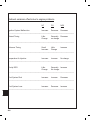
Exhaust emission effects due to engine problems
HC
CO
NOX
Ignition System Malfunction
Increase Decrease Decrease
_____________________________________________________________________
Retard Timing
Little Generally Decrease
Change
no change
_____________________________________________________________________
Advance Timing
Small
Little
Increase
Increase Change
_____________________________________________________________________
Inoperative Air Injection
Increase Increase No change
_____________________________________________________________________
Faulty EGR
Little
Generally Increase
Change
No change
_____________________________________________________________________
Fuel System Rich
Increase Increase Decrease
_____________________________________________________________________
Fuel System Lean
Increase Decrease Increase
_____________________________________________________________________
490
Section Five
491
For the most part, the rules or guidelines for aftermarket converters
are quite clear and concise. It is permissable to install an aftermarket
converter in the following situation:
A.
The vehicle is over 5 years old or has more than 50,000 miles.
This applies to vehicles produced in, or before, 1994. For vehicles
1995 or newer, the period of 8 years or 80,000 miles applies.
B.
A state sponsored inspection program has determined that the current converter has been damaged or poisoned.
C.
Any situation where the need for converter replacement has been
documented.
It is possible to use an aftermarket converter in a situation where the
vehicle is less than 5 years old (1994 or older) or has less than 50,000
miles. These situations are:
A.
The catalytic converter is already missing from the vehicle and it has
been properly documented.
B.
A state inspection program has determined that the current converter
is damaged or inoperable.
The following are examples of situations where original equipment
converters must be installed:
A.
Vehicles O.E. converter is covered under a warranty or recall.
B.
Vehicle has been returned from overseas use and the catalytic
converter is missing.
492