1
Return Water Temperatures Required for DynaFlame®
Boilers & Water Heaters
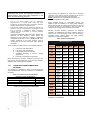
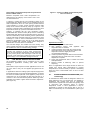
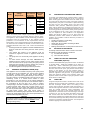
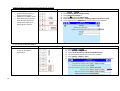
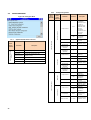
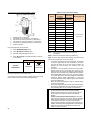
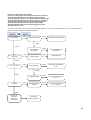
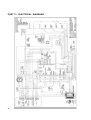
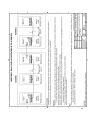
Figure 17: Typical Low-Water Temperature System
(Non-Condensing)
Minimum acceptable return water temperatures are
determined by the category of the heater. This is true
for all manufacturers.
A category I machine like the non-condensing version of the
DynaFlame® 85% efficient model can be operated with return
o
water temperatures as low as 115ºF (46 C) provided that the
control algorithm is correct. Proper operation requires initial
startup of the machine followed by ramp up to high fire. This
sequence minimizes initial condensation and generates stack
temperatures which dry up initial condensation in the vent.
Category II machines like the near condensing version
DynaFlame® 88% efficient model (DFX) and the condensing
DynaFlame® 95% efficient can be operated down to 20% firing
rate from initial startup. These machines must be operated with
o
a return water temp of at least 130ºF (55 C) to the primary heat
exchanger in order to avoid condensation there. For these
appliances condensation in the vent is not an issue because
they are installed with a special venting system designed to
withstand the corrosive action of condensate.
The Camus® designs are versatile and user friendly, they
deliver optimal performance by taking full advantage of existing
site conditions in order to maximize energy savings.
Adjustment Procedure
a)
b)
IMPORTANT
Operating this appliance at return water temperatures
below the recommended temperature (except initial heat
up) may cause primary heat exchanger to fail and may
eventually cause hazardous conditions that may result in
personal injury or non-warrantable damage to the unit.
c)
4.6
e)
LOW WATER TEMPERATURE SYSTEMS
All DynaFlame® heaters can be configured for low water
temperature applications including open water reservoir
heating.
Recirculation loops required for these applications can be set
up in the field or they can be supplied pre-piped from the
factory.
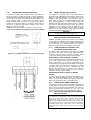
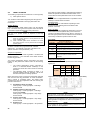
In applications where the heating system requires supply water
temperatures below the recommended temperature, a bypass
line must be installed upstream of the appliance pump so that
outlet water can be re-circulated to raise the inlet temp to a
minimum of the recommended temperature. Balancing valves,
preferably circuit setter or globe valves are used to adjust flow.
(See Figure 16)
19
d)
f)
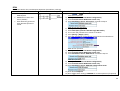
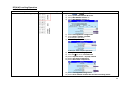
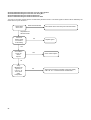
Fully open bypass and outlet valves.
With appliance running, read appliance inlet
temperature after 15 minutes.
If inlet temperature is less than the recommended
temperature slowly close outlet valve until the inlet
temperature climbs to slightly above the
recommended temperature.
If inlet temperature is greater than the recommended
temperature but not greater than 140°F no further
adjustment is required.
Check inlet temperature after 5 minutes and make
final adjustments.
Remove handle of balancing valve to prevent
tempering.
Note: For applications where large volumes of water are
heated from ground water temperatures to process
temperatures, it will be necessary to provide a modulating
three way valve or thermostatic valve in lieu of a fixed
bypass line.
4.7
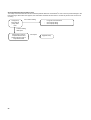
INSTANTANEOUS WATER HEATER (noncondensing)
An instantaneous water heater is designed to deliver hot
water without the use of a storage tank. It is suitable for
applications with variable load such as restaurants,
condominiums, apartments and motels and typically used
in conjunction with tempering valves to achieve
temperature control. In some applications it may be
appropriate to provide a flow through tank to act as a
buffer. Consult factory for recommendations. (See Figure
17)