1
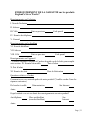
IMPORTANT: IF YOU HAVE A PROBLEM WITH THIS UNIT, DO NOT RETURN IT TO THE DEALER. CONTACT TECHNICAL SUPPORT @ 1‐800‐245‐6489 Mobile Home Use (Approved for USA only): This freestanding wood unit is approved for mobile home or doublewide installation with the outside combustion air hook‐ up. See the “Installation” section of this manual for details pertaining to mobile home installations. Mobile home installation must be in accordance with the Manufactured Home and Safety Standard (HUD), CFR 3280, Part 24. Retain for your files Model Number
Date of Purchase
Date of Manufacture
Serial Number
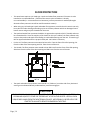
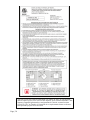
* This information can be found on the safety tag attached to the rear of the unit. Have this information on hand if you phone the factory or your dealer regarding this product. CAUTION •
•
•
•
•
•
•
Page | 2
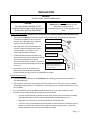
Keep children away. Supervise children in the same room as this appliance. Alert children and adults to the hazards of high temperatures. Do NOT operate with protective barriers open or removed. Hot while in operation! Keep clothing, furniture, draperies and other combustibles away. Contact may cause skin burns! Installation MUST comply with local, regional, state and national codes and regulations. Consult local building, fire officials or authorities having jurisdiction about restrictions, installation inspection, and permits.