1
RESULTS
Tinnitus Retraining Therapy for craniocervical
dysesthesis in somatosensory tinnitus patients
Katharina OSTERMANN,
Marie Paule THILL
Mihaela HOROI
Virginie HERVÉ
Philippe LURQUIN
Department of Otology, CHU Saint Pierre, Bruxelles, Belgium
SUMMARY
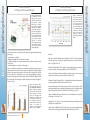
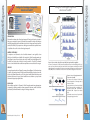
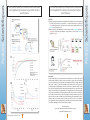
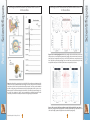
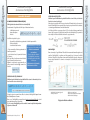
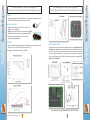
Somatic tinnitus is defined as a tinnitus which can be modulated somatically by head
and neck movements or which is associated with facial dysesthesis. It can be explained
by inhibition release and thus
increased activity of the dorsal
cochlear nucleus. It is known that
tinnitus and the activity of the dorsal cochlear nucleus activity can
also be restored through auditory
stimulation and thus improves tinnitus complaints. Therefore, we
suggest that sound enrichment
and retraining further may
decrease facial dysesthesis.
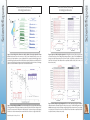
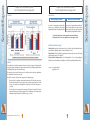
The purpose of this study is to
investigate if Tinnitus Retraining
Therapy can decrease somatic
symptoms of tinnitus patients and
thus may be considered as a possible specific treatment for somatic tinnitus patients.
CONCLUSION
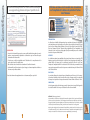
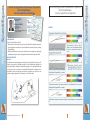
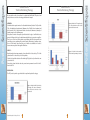
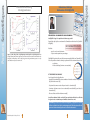
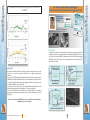
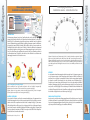
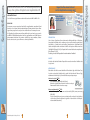
Somatic tinnitus is a much more frequent condition than earlier believed.
There are two types of somatic tinnitus: (1) Tinnitus that can be modulated in intensity and/or frequency by
manipulating some regions of the
head and neck and (2) tinnitus which
is associated with facial pain or dysesthesis. Therefore we suggest a
modification of the initial interview
questionnaire or the Structured
Interview that includes specific questions on somatic tinnitus.
Posters Scientifiques
Posters Scientifiques
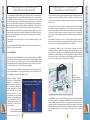
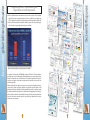
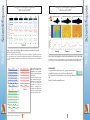
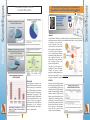
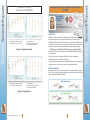
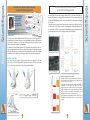
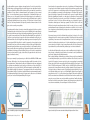
Incidence of somatic tinnitus
in current ENT practice
METHODS
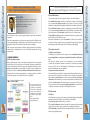
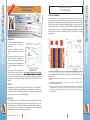
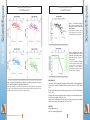
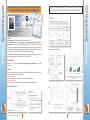
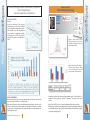
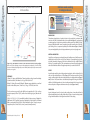
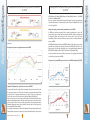
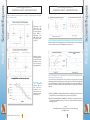
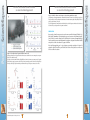
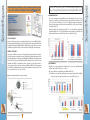
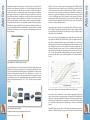
In this retrospective study, 21 patients
who had a primary complaint of tinnitus associated with facial pain or dysesthesis were enrolled. The severity of
tinnitus was evaluated by the Tinnitus
Handicap Inventory (THI) and both
tinnitus and facial dysesthesis were
evaluated by a modified questionnaire based on Jastreboff Structured
Interview (JSIm) in which we include
two questions relative to facial dysesthesis awareness and annoyance,
before and after a period of three
months of acoustic stimulation.
POSTER 8
POSTER 9
Actes du Congrès des Audioprothésistes
86
87