1
*AN-200A(J/GB) 05.3.1 2:29 PM ページ16
ENGLISH VERSION
IMPORTANT SAFETY INSTRUCTIONS
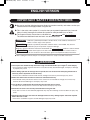
◆ Be sure to read the following Important Safety Instructions carefully and make sure that you
understand them thoroughly before using this tool.
◆ This is the safety alert symbol. It is used to alert you to potential personal injury hazards.
Obey all safety messages that follow this symbol to avoid possible injury or death.
◆ The Important Safety Instructions are divided into tWARNING and tCAUTION .
The differences between these two levels are described below.
tWARNING : Indicates a potentially hazardous situation which, if not avoided, could result in
death or serious injury to the operator.
tCAUTION : Indicates a potentially hazardous situation which, if not avoided, may result in
moderate injury to the operator or physical damage.
Moreover, failure to follow the instructions marked with the tCAUTION symbol or cautions without
a tCAUTION symbol which appear in the text of this manual may also have serious results in
some cases. Always be sure to observe the instructions given in the Important Safety Instructions.
S After reading this manual, keep it in a safe place where it is easily accessible to tool users.
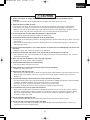
tWARNING
1. The air pressure should be kept within the range of 0.59 to 0.69 MPa (6 to 7 kgf/cm2, 85 to 100 psi).
• If an air pressure which is greater than this is used, the tool may become damaged, and injury or damage
to property may result.
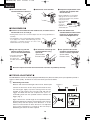
2. When adding hydraulic oil through the air cylinder, be sure to loosen the bleed plug afterwards to
allow any excess hydraulic oil to drain away.
• If excess oil is allowed to remain inside the tool, damage to the tool or personal injury may result.
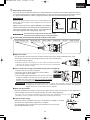
3. Make sure that the tool and the air source are connected securely.
• If the threads of the joints do not match or if the screws are not inserted far enough, the air hose may
become disconnected during use and injury may result.
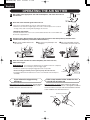
4. Turn off the air supply before disconnecting the tool from the air source.
• Compressed air may cause the air hose to whip around, and injury may result.
5. Check that all screws are securely fastened before using the tool.
• If any of the screws are not sufficiently tightened, they may fall out during use and accidents or injury may
result.
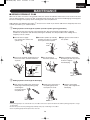
6. Check that the tool parts are free from damage before use. Any damaged parts should be repaired
before the tool is used.
• If the tool is used while any parts are still damaged, injury may result.
16