1
SI-CHAID® 4.0 USER'S GUIDE
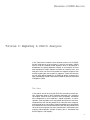
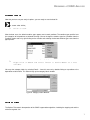
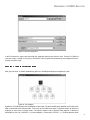
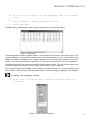
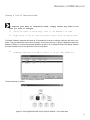
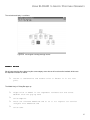
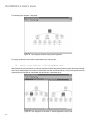
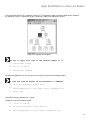
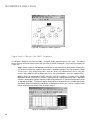
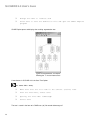
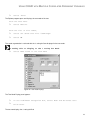
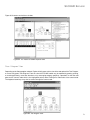
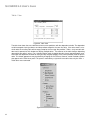
Figure 49: Tree Map for 6 CHAID Segments
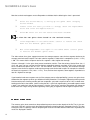
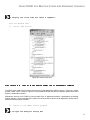
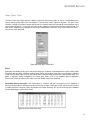
Steps Used to Obtain the CHAID Segments
As indicated in Magidson and Vermunt (2005), the hybrid CHAID algorithm consists of 3 steps. This tutorial
focuses on steps #2 and #3 which involves the use of the SI-CHAID 4.0 program. For this current example, the
3 steps are:
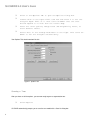
Step 1: Obtain a proxy for the dependent variables by using Latent GOLD 4.0 to perform a latent class
(LC) analysis based on the responses given to the 11 dependent variables. This step resulted in 3 latent
classes: class 1 (32%) clearly favors Gore – over 99% of this class voted for Gore, class 2 (39%) was
neutral – 50% voted for each candidate, and class 3 (29%) favored Bush – over 98% voted for Bush.
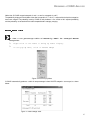
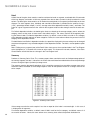
Step 2: Obtain the demographic CHAID segments using the 3-category LC variable as the CHAID
dependent variable. Since this LC variable is a proxy for and is highly predictive of the 11 dependent
variables, demographic segments found by CHAID to be predictive of it, should also be predictive of the
11 dependent variables. To reflect the degree of uncertainty associated with class membership for each
respondent, posterior membership probabilities for belonging to each of the 3 classes is obtained from
the LC model and used directly in the SI-CHAID analysis.
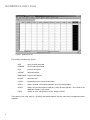
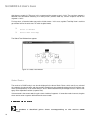
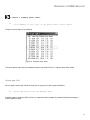
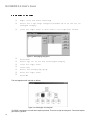
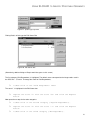
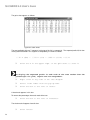
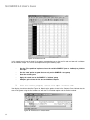
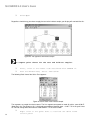
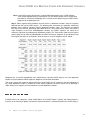
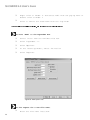
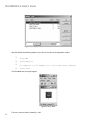
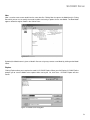
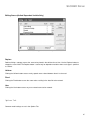
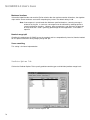
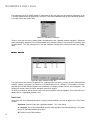
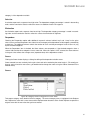
Figure 50: The Data File US2000elecPOST.sav
40