1
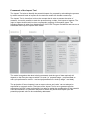
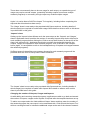
In the template, applicants are expected to calculate the overall probability that all of the
usage(s), required to enable the achievement of a particular impact and described on the
usage sheet, will occur (indicated by pI in Figure 4 below). Applicants must then make an
assessment of the probability that, assuming required usage(s) have occurred, the impact
will be delivered as expected (indicated by pM in Figure 4 below). Applicants must describe
how they arrived at each of these probabilities, and any assumptions made (at C and D in
Figure 4 below). A full description of how to calculate the overall probability that all of the
usage(s), required to enable the achievement of a particular impact will occur (pI) is provided
later in this guide.
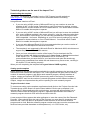
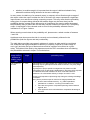
In the ‘Timeline of key impact milestones’ cells, clear, factual and measurable descriptions
should be provided for milestones associated with the delivery and progress of each impact.
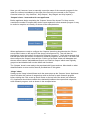
In the template, applicants must provide an estimate of the monetary value that would be
associated with a given example of impact and identify who would be expected to reap these
benefits4. The monetary value may relate to either public goods (such as improved
environmental outcomes to which a value can be attached – e.g. reduced air pollution that in
turn leads to lower health costs related to respiratory conditions, which in turn leads to higher
rates of workforce participation) or private goods (such as improved commercial outcomes
related to sale or use of new products or processes).
In the ‘Estimate of $ value associated with impact(s)’ section, for years where an impact is
anticipated, a whole number of dollars should be entered into cells as appropriate.
In addition to the articulation of the key monetary impacts per research program, applicants
must also describe any non-monetary impacts that are expected from each program.
Applicants are expected to explain the nature of the impact, who benefits, how important the
benefit is, and how probable it is that this non-monetary impact will be delivered.
4
In the case of an impact that relates to usage examples from multiple research programs, the impact
value should be split across the Programs in relation to the relative significance of the usage
example from the different Programs to the impact delivered.
20