1
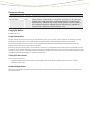
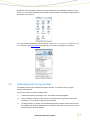
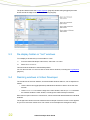
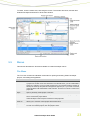
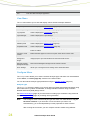
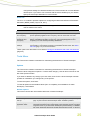
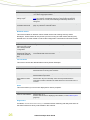
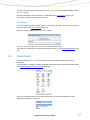
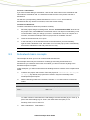
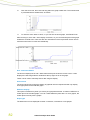
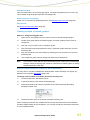
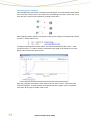
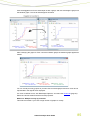
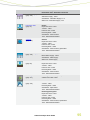
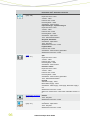
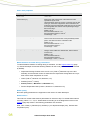
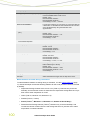
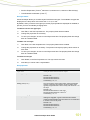
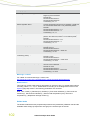
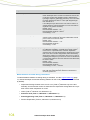
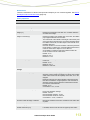
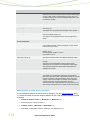
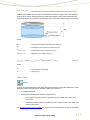
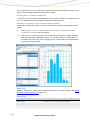
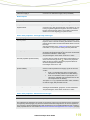
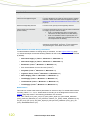
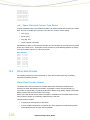
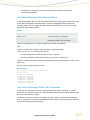
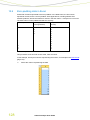
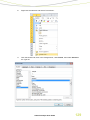
Node icon
Source node name
Source node output
Destination node - destination input type
Blackwater
Subnetwork - Piped inflow
Tank - Recycled
Wastewater Connection - Inflow
Irrigation/Other
Pervious Area - Inflow
Subnetwork - Surface inflow, piped inflow
Tank - Recycled
Wastewater Connection - Inflow
11.3
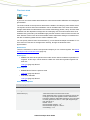
Catchment nodes
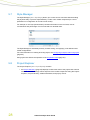
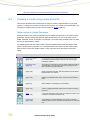
Impervious Area
Usage
An impervious area node is used to model catchment areas of zero infiltration, such as roads,
driveways, parking lots, and other concreted or paved surfaces.
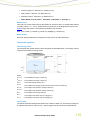
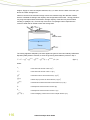
Rainfall and surface inflow, from adjacent upstream surfaces, supply water to the impervious
surface and fill the available depression storage. Evaporation draws down this store through
the conversion of liquid water to vapour before its subsequent atmospheric transfer away from
the surface. Surface runoff occurs when the available surface depression storage is
exceeded.
You must enter a time of concentration for the catchment calculated to represent the
catchment surface characteristics as accurately as possible.
Restrictions
The surface area of the impervious area node must be > 0 m 2.
There are restrictions on which node inputs and outputs you can connect together. See Urban
Developer node connection rules (page 94).
Node inputs
• Inflow: The impervious area receives inflow from other nodes. The inflow into the node,
and the rainfall falling on to the catchment area of the node, is then routed over the
surface.
Link type (page 59): Runoff
Node outputs
• Runoff: The flow leaving the impervious area.
Link type (page 59): Runoff
Urban Developer User Guide
97