1
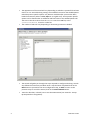
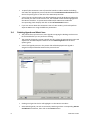
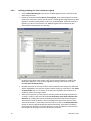
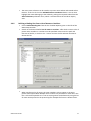
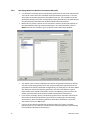
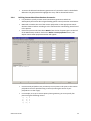
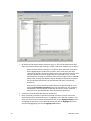
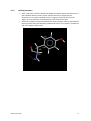
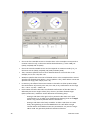
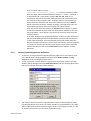
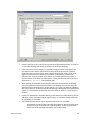
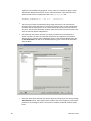
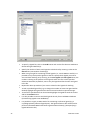
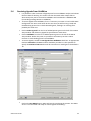
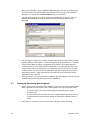
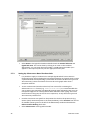
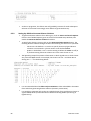
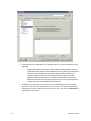
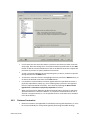
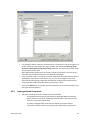
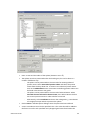
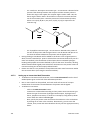
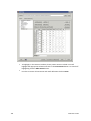
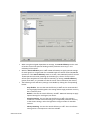
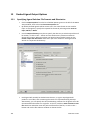
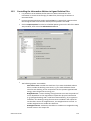
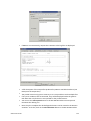
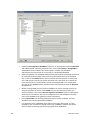
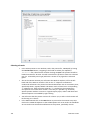
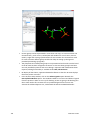
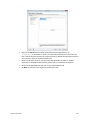
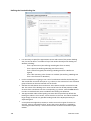
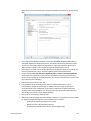
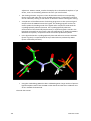
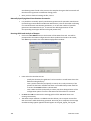
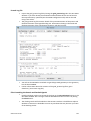
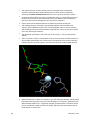
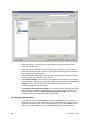
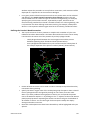
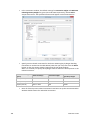
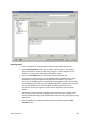
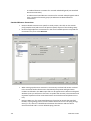
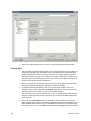
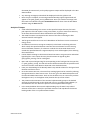
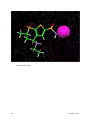
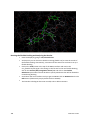
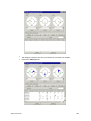
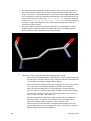
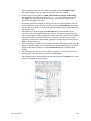
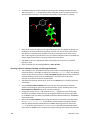
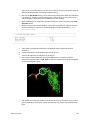
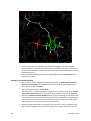
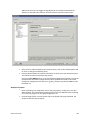
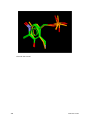
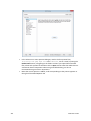
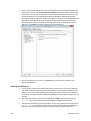
146 Certain groups can be represented in more than one way (i.e. have more than one canonical form), such as nitro, carboxylate and amidinium. In such cases, there is usually a right and a wrong representation for use in GOLD. The conventions used for some common difficult groups and further help on setting up the ligand is provided (see Setting Up Ligands). The phosphate and carboxylate groups are unprotonated and in each case the bond to the O atom has been assigned as aromatic. In this case these groups have been correctly handled by Hermes and so no editing is required. Had modifications been required, editing functionality is available under Edit, Edit Structure. Re-display all the Chains, Ligands and Metals tickboxes so that the 3D view displays the entire protein structure. In the Protein setup window, click on the Delete Ligands option beneath the Extract/Delete Waters option. This window enables us to extract and delete a ligand from the protein in order to set it up for docking. As we are going to be docking into chain A we need to first remove the co-crystallised ligand from its active site: activate the tickbox adjacent to A, underneath the Extract and Reload header: GOLD User Guide