1
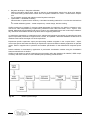
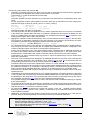
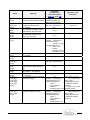
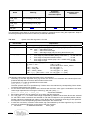
SimEnv key features: Available for Unix and Linux platforms Support of key working techniques in experimenting with models: SimEnv enables model evaluation, uncertainty and scenario analyses in a structured, methodologically sound and pre-formed manner applying sampling techniques. Run ensembles instead of single model runs: Model evaluation by multi-run simulation experiments Availability of pre-defined multi-run simulation experiment types: To perform an experiment only the factors (parameters, initial values, drivers, ...) to experiment with and a strategy how to sample the factor space have to be specified. Simple model interface to the simulation environment: Model interface functions allow mainly to adjust an experiment factor numerically and to output model results for later experiment post-processing. Model interfacing and finally communication between the model and SimEnv can be done at the model language level by incorporating interface function calls into model source code (C/C++, Fortran, Python, Java and Matlab: “include per experiment factor and per model output variable one additional SimEnv function call into the source code”) or can be done at the shell script level. Additionally, there are special interfaces for Mathematica and GAMS models. Support of distributed models: Independently on the kind distributed model components are interfaced to SimEnv and among each other the total model can be run within SimEnv. Parallelization of the experiment: This is a prerequisite for a lot of simulation tasks. Operator-based experiment post-processing: Chains of built-in, user-defined and composed operators enable interactive experiment post-processing based on experiment model output and reference data including general purpose and experiment specific operators. There is a simple interface to write user-defined and to derive composed operators. Visual experiment evaluation: For post-processed experiment output Support of standard data formats: Output from the model as well from the post-processor can be stored in NetCDF or IEEE compliant binary format. Multi-Run Simulation Environment SimEnv User Guide for Version 3.01 (July 10, 2012) -3-