1
Security 14-7
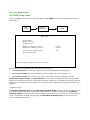
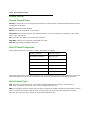
How individual filters work
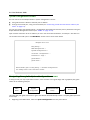
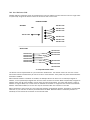
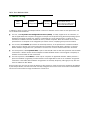
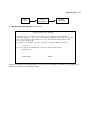
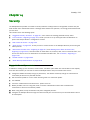
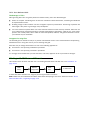
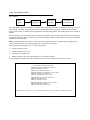
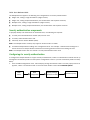
As described above, a filter applies criteria to an IP packet and then takes one of three actions:
A filter’s actions
■
Passes the packet to the local or remote network
■
Blocks (discards) the packet
■
Ignores the packet
A filter passes or blocks a packet only if it finds a match after applying its criteria. When no match occurs, the
filter ignores the packet.
The criteria are based on information contained in the packets. A filter is simply a rule that prescribes certain
actions based on certain conditions. For example, the following rule qualifies as a filter:
A filtering rule
Block all Telnet attempts that originate from the remote host 199.211.211.17.
This rule applies to Telnet packets that come from a host with the IP address 199.211.211.17. If a match
occurs, the packet is blocked.
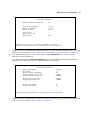
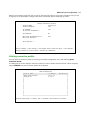
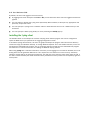
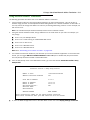
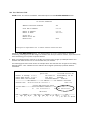
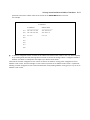
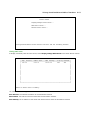
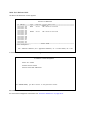
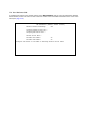
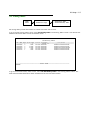
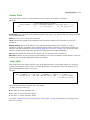
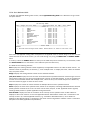
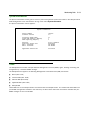
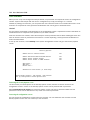
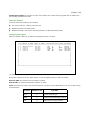
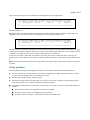
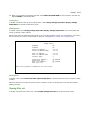
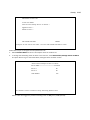
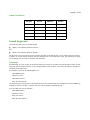
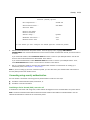
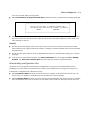
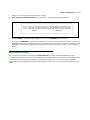
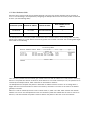
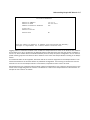
Here is what this rule looks like when implemented as a filter on the Netopia R2121:
+-#--Source IP Addr--Dest IP Addr-----Proto-Src.Port-D.Port--On?-Fwd-+
+--------------------------------------------------------------------+
| 1 199.211.211.17 0.0.0.0
TCP
23
Yes No |
+--------------------------------------------------------------------+
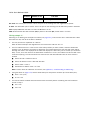
To understand this particular filter, look at the parts of a filter.
Parts of a filter
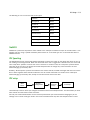
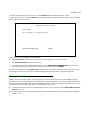
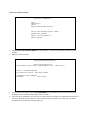
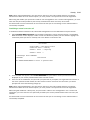
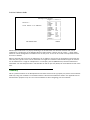
A filter consists of criteria based on packet attributes. A typical filter can match a packet on any one of the
following attributes:
■
The source IP address (where the packet was sent from)
■
The destination IP address (where the packet is going)
■
The type of higher-layer Internet protocol the packet is carrying, such as TCP or UDP