1
C-12 User’s Reference Guide
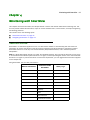
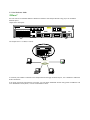
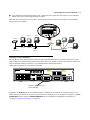
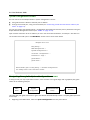
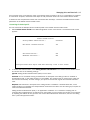
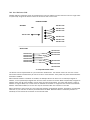
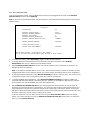
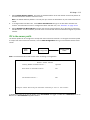
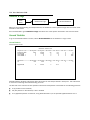
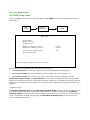
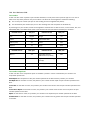
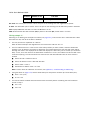
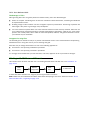
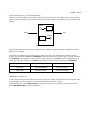
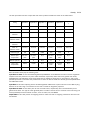
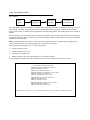
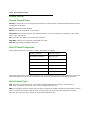
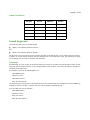
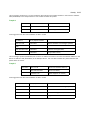
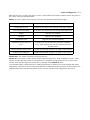
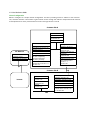
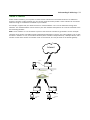
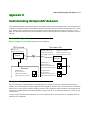
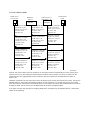
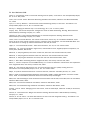
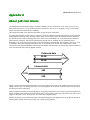
Routers B and C (which could also be Netopia R2121s) serve the two remote networks that are subnets of
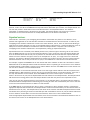
a.b.c.0. The subnetting is accomplished by configuring the Netopia R2121 with connection profiles for Routers
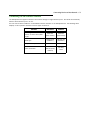
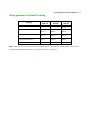
B and C (see the following table).
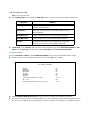
Connection profile
Remote IP address
Remote IP mask
Bits available for host
address
for Router B
a.b.c.128
255.255.255.192
7
for Router C
a.b.c.248
255.255.255.248
3
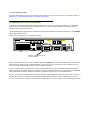
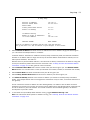
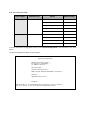
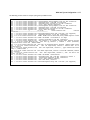
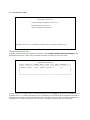
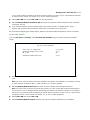
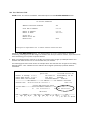
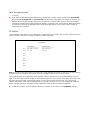
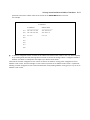
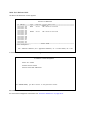
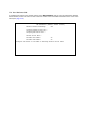
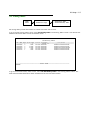
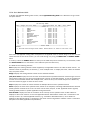
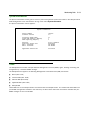
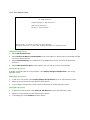
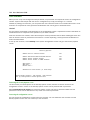
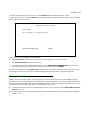
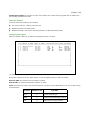
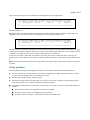
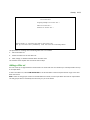
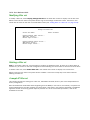
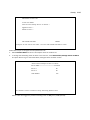
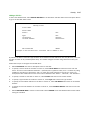
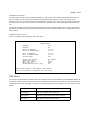
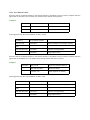
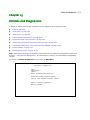
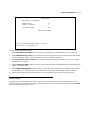
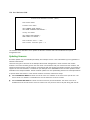
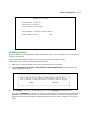
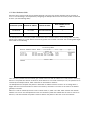
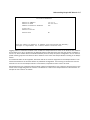
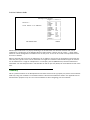
The Netopia R2121’s connection profiles for Routers B and C create entries in its IP routing table. One entry
points to the subnet a.b.c.128, while a second entry points to the subnet a.b.c.248. The IP routing table might
look similar to the following:
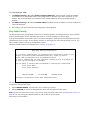
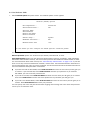
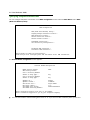
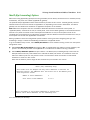
IP Routing Table
Network Address-Subnet Mask-----via Router------Port--Age--------Type---------------------------------------SCROLL UP-------------------------------0.0.0.0
0.0.0.0
a.b.c.1 WAN
3719
Management
127.0.0.1
255.255.255.255 127.0.0.1 lp1
6423
Local
a.b.c.128
255.255.255.192 a.b.c.128 WAN
5157
Local
a.b.c.248
255.255.255.248 a.b.c.248 WAN
6205
Local
---------------------------------SCROLL DOWN------------------------------UPDATE
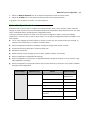
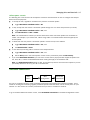
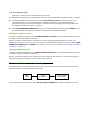
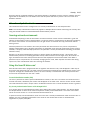
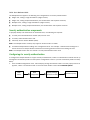
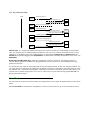
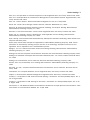
Let’s see how a packet from the Internet gets routed to the host with IP address a.b.c.249, which is served by
Router C. The packet first arrives at Router A, which delivers it to its local network (a.b.c.0). The packet is then
received by the Netopia R2121, which examines its destination IP address.
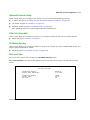
The Netopia R2121 compares the packet’s destination IP address with the routes in its IP routing table. It
begins with the route at the bottom of the list and works up until there’s a match or the route to the default
gateway is reached.
When a.b.c.249 is masked by the first route’s subnet mask, it yields a.b.c.248, which matches the network
address in the route. The Netopia R2121 uses the connection profile associated with the route to connect to
Router C, and then forwards the packet. Router C delivers the packet to the host on its local network.