1
3.1
General Signal Flow
25
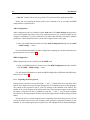
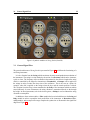
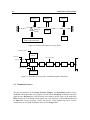
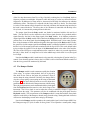
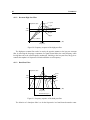
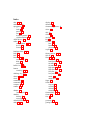
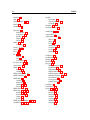
Figure 9: Synthesis modules of String Studio (Panel B).
3.1
General Signal Flow
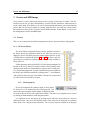
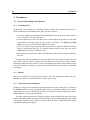
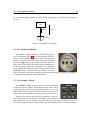
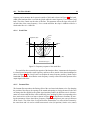
The general architecture of String Studio is presented in Figure 10 and follows the functioning of a
real string instrument.
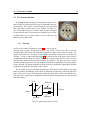
It is the vibration from the String which constitutes the main sound production mechanism of
the instrument. The string is set into motion by the action of an Excitator which can be a hammer,
a pick or a bow. The frequency of the oscillation is determined by the effective length of the string
which is controlled by the finger/fret interaction or Termination. A Damper can be applied on
the strings in order to reduce the decay time of the oscillation. This is the case on a piano, for
example, when felt is applied on the strings when the keys and the sustain pedal are released.
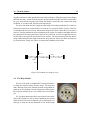
The vibration from the string is then transmitted to the Body of the instrument which can radiate
sound efficiently. In some instruments, the string vibration is transmitted directly to the through
the bridge. In other instruments, such as the electric guitar, a Pickup is used to transmit the string
vibration to an amplifier.
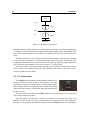
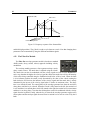
In addition to these main modules, a Filter module has been included between the String and
Body module in order to expand the sonic possibilities of the instrument. A Distortion module,
an EQ module, and an output effect stage complete the synthesizer as illustrated in the signal flow
diagram of Figure 11.