1
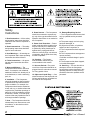
SAFETY
Safety
Instructions
1. Read Instructions -– All the safety
and operation instructions should be
read before the SunÞre Component is
operated.
2. Retain Instructions — The safety
and operating instructions should be
kept for future reference.
3. Heed Warnings — All warnings on
the Component and in these operating
instructions should be followed.
4. Follow Instructions — All operating and other instructions should be
followed.
5. Water and Moisture — The
Component should not be used near
water - for example, near a bathtub,
washbowl, kitchen sink, laundry tub, in
a wet basement, or near a swimming
pool, etc.
6. Ventilation — The Component
should be situated so that its location
or position does not interfere with its
proper ventilation. For example, the
Component should not be situated on
a bed, sofa, rug, or similar surface that
may block any ventilation openings; or
placed in a built-in installation such as
a bookcase, cabinet, or closed equipment rack that may impede the ßow of
air through ventilation openings.
8. Power Sources — The Component
should be connected to a power supply only of the type described in these
operation instructions or as marked on
the Component.
9. Power Cord Protection — Powersupply cords should be routed so that
they are not likely to be walked upon
or pinched by items placed upon or
against them, paying particular attention to cords at plugs, convenience
receptacles, and the point where they
exit the Component.
10. Cleaning — The Component should be cleaned only as
recommended in this manual.
11. Non-use Periods—The power
cord of the Component should be unplugged from the outlet when unused
for a long period of time.
12. Object and Liquid Entry — Care
should be taken so that objects do not
fall into and liquids are not spilled into
the inside of the Component.
13. Damage Requiring Service
— The Component should be serviced
only by qualiÞed service personnel
when:
A. The power-supply cord or the plug
has been damaged; or
B. Objects have fallen, or liquid has
spilled into the Component; or
C. The Component has been exposed
to rain; or
D. The Component does not appear to
operate normally
or exhibits a marked change in performance; or
E. The Component has been dropped,
or its cabinet damaged.
14. Servicing — The user should not
attempt to service the Component
beyond those means described in this
operating manual. All other servicing
should be referred to qualiÞed service
personnel.
7. Heat — The Component should be
situated away from heat sources such
as radiators, or other devices which
produce heat.
2
User's Manual