1
9. Contrast methods for Leica DM4000 B/DM4500 P/DM5000 B
9.1.4.2 DM4500 P - examinations
in polarized transmitted light
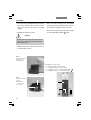
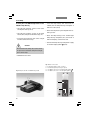
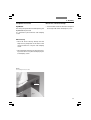
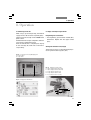
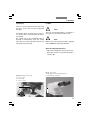
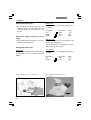
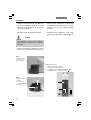
Crossed polarizers
One polarizer only
If specimens need to be examined using other
transmitted light methods, such as bright field,
phase contrast and dark field, instead of with
polarizers, then it is usually sufficient to switch
off the analyzer or polarizer. If the brightness of
the image is not adequate, the polarizer and the
analyzer need to be switched off. Stained, birefringent specimens may exhibit brightness or
color fluctuations when the specimen stage or
the polarizer is rotated (with the analyzer
switched off). This is called dichroism or pleochroism, which is an important indication when
examining crystals.
However, this effect can be simulated by nonpolarizing microscopes, because they do not
contain depolarized quartz plates, or when an
incident light reflector is left in the beam path
during the transmitted light method. This also
applies to using the 1.6x tube lens in the
DM4500 P.
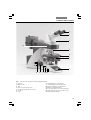
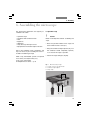
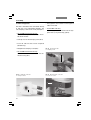
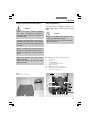
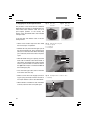
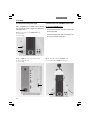
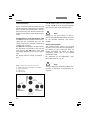
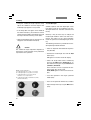
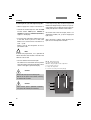
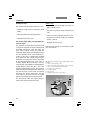
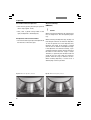
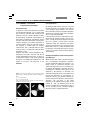
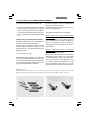
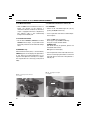
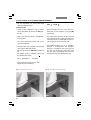
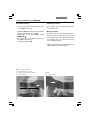
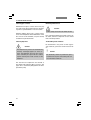
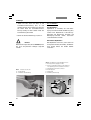
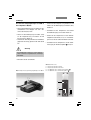
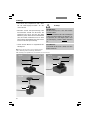
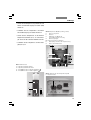
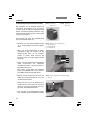
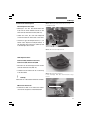
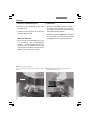
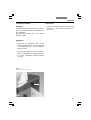
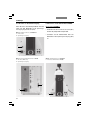
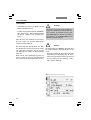
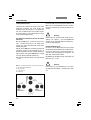
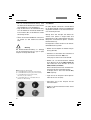
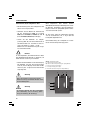
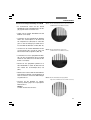
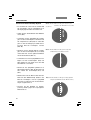
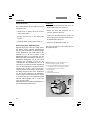
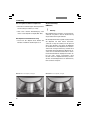
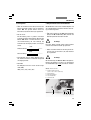
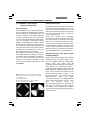
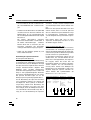
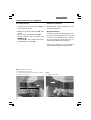
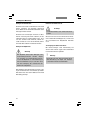
Fig. 67 Crossing the polarizers for observation using the
Bertrand lens, objective with high aperture, without specimen
a crossed precisely
b not crossed precisely
If pressure is present in the condenser or in the objective,
position "a" cannot be set at all
a
62
b
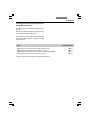
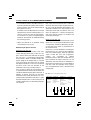
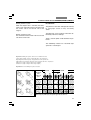
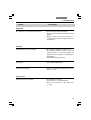
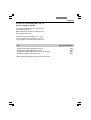
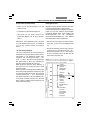
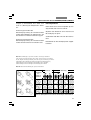
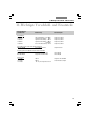
According to DIN and ISO ratings the run of the
vibration directions corresponds to the table on
p. 63. However, when polarizers are crossed,
these vibrations have the same polarized optical
appearances as they do when each of the polarizers are interchanged by 90°.
If the specimen contains a large amount of nonbirefringent or opaque particles, then the analyzer is usually turned a few degrees away from
the cross position to make these particles
somewhat visible (for specimens that remain
dark when the polarizers are crossed precisely).
Examinations are not usually performed when
the polarizers are parallel because this configuration is not sensitive enough to detect birefringent elements.
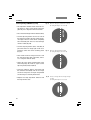
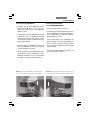
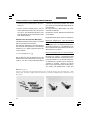
Changing the brightness when rotating birefringent objectives
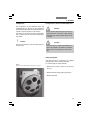
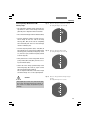
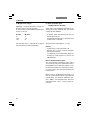
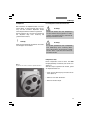
When the specimen stage is rotated, the brightness of birefringent (anisotropic) specimens
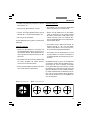
changes periodically. When the specimen is rotated, a total of 4 extinction positions (also
called normal position) occur at each 90° interval. Exactly 45° between 2 extinction positions,
4 orientations of maximum intensity occur, the
diagonal or 45° positions. In extinction, the
specimen vibration directions are parallel to the
transmission directions of the polarizers; at
maximum intensity, the specimen vibration directions represent the bisectors of the polarizer
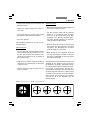
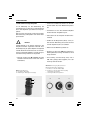
directions. The cross-hairs in the (right)
eyepiece on the polarizing microscope can be
rotated N – S/E – W; therefore, they can be
rotated in the direction of polarization or 45°, or
set up according to the specimen vibration
directions when in a diagonal position.