1
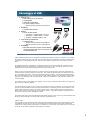
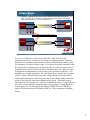
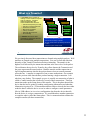
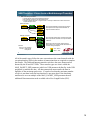
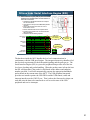
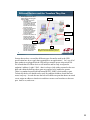
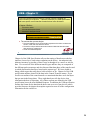
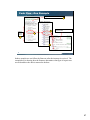
Attach Event Plugging in a USB device to the host root hub or external hub is considered an attach event. The device has a 1.5 KΩ pull-up resistor to the USB supply (VBUS). Pull-up to D+ signals a full speed device. D- is for low speed devices. 1.5KΩ D+ D+ Transceiver Transceiver Full Speed Attach Event D- 15KΩ VBUS D- Device 15KΩ Host or Hub Port When no device is connected D+ and D- are at 0 V 1.5KΩ D+ D+ Transceiver Low Speed Attach Event D- 15KΩ VBUS Transceiver D- 15KΩ Device Host or Hub Port 7 So we have a USB device, a host and a USB cable. How does all of this communication work? We have to first connect everything together. When we plug the device together with the host it is called an Attach Event (similarly, when we disconnect it is called a detach event). If you look at the initial condition for the bus with no devices attached you will notice that the D+ and D- are at the same 0 V potential because of the 15 Kohm resistors found on the host side. When the cable is plugged in an endpoint device will provide a pull up resistor on either D+ or Ddepending on its speed capabilities. For a full speed device, the pull-up is attached to the D+ signal. When the host detects this voltage change it will begin what is called enumeration process at the full speed rate. If the voltage change is detected on the D- line, then the enumeration happens at low speed. This attach event is what signals the host that there is a new device attached to the bus. In MCU devices the pull-up resistor should be integrated and it is just a matter of setting the bit in a control register (i.e. the Pull-up Resistor Enable or PREN bit in the USB0XCN register for the Silicon Labs USB family of MCUs). This is what gets everything started. 7