1
Things to Look for When Examining Systems Furniture
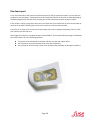
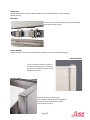
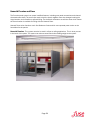
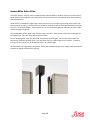
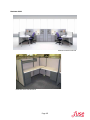
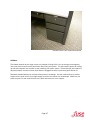
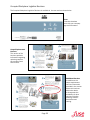
Un-level or snaking of the panels:
Look across the top of the panels and point out any un-level high or low spots. Point out any snaking or
zig-zagging of the panels that you see. Assure the client that you will attempt to correct that during your
lift process. You will not always be able to get it perfect but you will do your best with it. Rest assured
that if this is not pointed out that in most cases your crew will be blamed for doing it during the lift
process.
Pointing out these things during your walk-thru must done very diplomatically, you do not want the
customer to think that will not take ownership for anything that goes wrong.
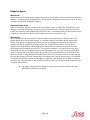
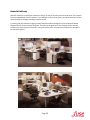
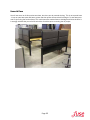
Overloaded binder bins/storage:
The added weight can cause undo stress on the hinge configuration that hold the panels together. Once
a panel is lifted all the extra weight pulling at the top of the panels can cause the bottom to kick out and
the hinge is not made to support that type of tension. With that type of tension on the panels it could
cause the panels to become separated during the lift. Look for loose or incomplete connections between
each panel. This needs to be pointed out during the walk thru that way if they do become separated
during the lift the customer understands you may not be at fault.
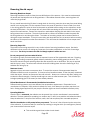
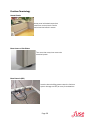
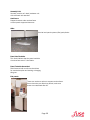
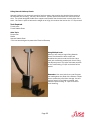
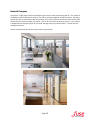
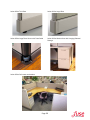
Other furniture items to look for during the walk thru may include:
ÍÍ Any other noticeable furniture defects
ÍÍ Defects either from improper installation or damage
ÍÍ Bowed work surfaces (are the proper supports under each worksurface and are they
attached correctly)
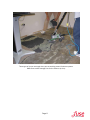
ÍÍ Improperly cantilevered components, pedestals, worksurfaces or binder bins look to see if
any teeth are showing or if they are supported by any foreign objects.
ÍÍ Chipped or scratched wood finishes
ÍÍ Tears in panel fabric cracked or hanging kick plates
ÍÍ Dented or scratched steel filling cabinets
ÍÍ Missing nuts, bolts, clips (this is a sign that short cuts were taken in the furniture assembly)
ÍÍ Leaning walls (usually binder bins only on one side of wall)
ÍÍ Foot prints on the fabric panels under the worksurfaces and in the walk ways.
Page 15