1
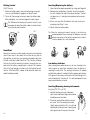
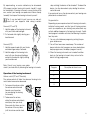
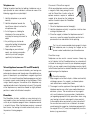
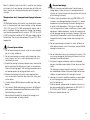
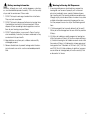
PhoneNow Precautions 1. High distortion during dialing or phoning may mean that the magnet is not in the optimal position relative to the telephone receiver. To avoid the issue, please move the magnet to another place on the telephone receiver. 2. Only use magnets supplied by GN ReSound Tele-loop systems Many places, such as theatres, houses of worship, and schools are equipped with tele-loop systems. When using a telecoil program with tele-loop systems, sound is picked up directly and may improve speech understanding. If there is no sound from the hearing instruments in a tele-loop system and with a telecoil program activated, the tele-loop system may not be turned on or is not operating correctly. If a facility is not equipped with a tele-loop system, sitting as close as possible to the front may be helpful. Care and maintenance Your hearing instrument is protected by a layer of protective, hydrophobic nanocoat material. Please follow the following instructions to prolong the durability of your hearing instruments: 1. Keep your hearing instrument clean and dry. Wipe the case with a soft cloth or tissue after use to remove grease or moisture. Do not use water or solvents, as these can damage the hearing instrument(s). 2. Never immerse hearing instruments in water or other liquids, as liquids may cause permanent damage to the hearing instruments. 3. Avoid rough handling of hearing instruments or dropping them on hard surfaces or floors. 4. Do not leave hearing instruments in or near direct heat or sunlight, such as in a hot, parked car, as excessive heat can cause damage or deform the casing. 5. Do not wear your instrument while showering, swimming, in heavy rain or in a moist atmosphere such as a steam bath or sauna. 6. If your instrument does get wet, or if it has been exposed to high humidity or perspiration, it should be left to dry out overnight with the battery out and the battery compartment open. It is also a good idea to put the instrument 16 and battery in a sealed container together with a drying agent (desiccator) overnight. Do not use the instrument until it is completely dry. Consult your hearing care professional as to which drying agent to use. 7. Remove your hearing instrument when applying such things as cosmetics, perfume, aftershave, hair spray, and suntan lotion. These might get into the instrument and cause damage. Daily maintenance It is important to keep your hearing instrument clean and dry. On a daily basis, clean the hearing instruments using a soft cloth or tissue. Remove any wax or debris from hearing instruments using a brush and/or a wire loop. In order to avoid damage due to humidity or excessive perspiration, the use of a drying kit is recommended. Some drying kits are electric, and in addition to thoroughly drying out hearing instruments, they may help sanitize. Replacing wax filters Custom hearing instruments may have wax filters that protect against wax and moisture. It is recommended that these are changed as needed. To change these filters, the following steps are needed: 1. Brush the sound outlet area with the sound outlet pointed down. 2. Insert the threaded end of the wax filter tool into the used wax filter, and gently rotate clockwise. 3. Gently pull until the used filter is removed. 4. Discard the used filter in the slot located in the wax filter kit by pressing it into the center, sliding it to one end of the slot, and pull until the filter is discarded. 5. Flip the wax filter tool around, locate a new filter in the dial, and press the tip of the tool into the center of the dial. 6. Gently pull the new filter out of the dial. 7. Align the new filter to the sound outlet. 8. Press the new filter into the opening, and simultaneously pull and rock back and forth until the new wax filter is in place. Tip: Pressing on the new filter with the flat side of the wax filter tool can give extra insurancethat the filter is correctly in place. 17