1
XV. DESUPERHEATER
(OPTIONAL)
which reduces pump life and causes noise problems in the
pump. A spring-type check valve with a pressure rating
of 1/2 psi or less is recommended.
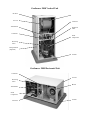
A GeoSource 2000 unit equipped with a desuperheater
can provide supplemental heating of a home's domestic
hot water. This is done by stripping heat from the
superheated gas leaving the compressor and transferring it
to a hot water tank. A desuperheater pump, manufactured
into the unit, circulates water from the domestic hot water
tank, heats it using a double walled water-to-refrigerant
heat exchanger, and returns it to the tank. The
desuperheater provides supplemental heating because it
only heats water when the compressor is already running
to heat or cool the conditioned space. Because the
desuperheater is stripping some of the energy from the
heat pump in order to heat the water, the heat pump’s
capacity in the winter will be slightly less than a unit
without a desuperheater. During extremely cold weather,
or if the heat pump cannot keep up with heating the space,
the desuperheater fuse may be pulled in order to get more
capacity out of the unit.
All air must be purged from the desuperheater plumbing
before the pump is engaged. To purge small amounts of
air from the lines, loosen the desuperheater pump from its
housing by turning the brass collar. Let water drip out of
the housing until flow is established, and re-tighten the
brass collar. Using 1/2-inch copper tubing from the tank
to the desuperheater inlet is recommended to keep water
velocities high, avoiding air pockets at the pump inlet.
An air vent in the inlet line can also help systems where
air is a problem. If one is used (we recommend a Watts
Regulator brand FV-4 or Spirovent) mount it near the
desuperheater inlet roughly 2-1/2 inches above the
horizontal pipe. Shutoff valves allow access to the
desuperheater plumbing without draining the hot water
tank. Keep valves open when pump is running.
I CAUTION: Running the desuperheater pump without
water flow will damage the pump.
Insulated copper tubing should be used to run from the
hot water tank to the desuperheater connections on the left
side of the unit. The built in desuperheater pump can
provide the proper flow to the desuperheater if the total
equivalent length of straight pipe and connections is kept
to a maximum of 90 feet of 1/2-inch type L copper tubing.
This tubing can be connected to the hot water tank in two
ways:
Poor water quality may restrict the effectiveness of using
the desuperheater tee by plugging the entrance with scale
or buildup from the bottom of the tank, restricting water
flow. Desuperheater maintenance includes periodically
opening the drain on the hot water tank to remove
deposits. If hard water, scale, or buildup causes regular
problems in hot water tanks in your area, it may result in a
loss of desuperheater effectiveness. This may require
periodic cleaning with Iron Out or similar products.
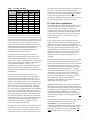
METHOD 1
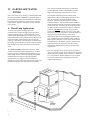
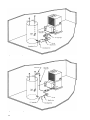
Using a desuperheater tee installed in the drain at the
bottom of the water heater (See Figure 7). This is the
preferred method for ease of installation, comfort and
efficiency. The tee eliminates the need to tap into the
domestic hot water lines and eliminates household water
supply temperature variations that could occur from
connecting to the hot water pipes.
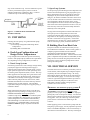
METHOD 2
Taking hot water from the bottom drain and returning it
to the cold water supply line (See Figure 8). This method
maintains the same comfort and efficiency levels but
increases installation time and costs. This method
requires a check valve in the return line to the cold water
supply to prevent water from flowing backwards through
the desuperheater when the tank is filling. Water passing
through the pump backwards damages the rotor's bearing,
The desuperheater's high temperature cutout switch is
located on the return line from the water heater. The
switch is wired in series with the desuperheater pump to
disable the pump from circulating at entering water
temperature above 140o F. If the desuperheater causes
tank temperatures to become uncomfortably hot, this
temperature switch can be moved to the leaving water line
which will reduce the tank maximu m temperatures 10o F
to 15o F. Do not remove the high temperature switch or
tank temperatures could become dangerously high.
A fuse is attached to the fuseholder and must be
inserted in the fuseholder after the desuperheater is
operational. Do not insert fuse until water flow is
available or the pump may be damaged. Remove the fuse
to disable the pump if the desuperheater isn’t in operation.
19