1
2-2
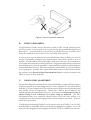
X
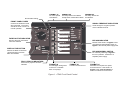
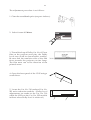
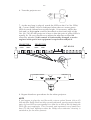
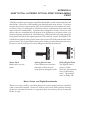
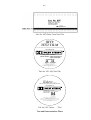
Figure 2 Never touch the solar cell
B.
PRINT CLEANLINESS
A high fidelity Dolby Stereo theatre system is like a high-quality home
stereo system: it can sound only as good as the program material played
through it. A good theatre system will reproduce pops, crackles, and
other unwanted noises from worn and dirty film prints.
If you receive a poor print from your distributor, there is little you can do
except, if possible, arrange for its replacement. But while a print is in your
theatre, you should treat it with respect and care to be sure your audiences
receive the best in both sound and picture. Of greatest importance, the print
should be kept as clean as possible—when the film is played, when the print
is stored between shows, and when a platter reel is made up (if your theatre
is so equipped). In particular, when individual reels are unwound to make
up a platter reel, do not let the film touch the floor or come in contact with
other sources of dust and dirt.
C.
DOLBY LEVEL ADJUSTMENT
Proper decoding of soundtracks encoded with Dolby A-type or SR processors
requires careful level matching between each channel of each soundhead
and the CP45 (see Appendix D for a discussion of Dolby noise reduction and
why Dolby Level is important). When the CP45 is first installed, the
installer makes this adjustment for you. However, it is always necessary to
adjust Dolby Level whenever an exciter lamp is replaced. We also
recommend that you routinely check Dolby Level but only adjust it to
compensate for the normal aging of the exciter lamp if necessary. Always
clean the optics first.
Checking and adjusting Dolby Level requires a loop of Dolby Cat. No. 69T
test film that is available from your theatre equipment supplier. You will
also need the alignment tool supplied with the CP45 or a small screwdriver.