1
3. Check List
•
•
•
•
•
•
•
•
•
•
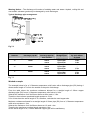
Cylinder
18 litre Expansion Vessel
25litre Expansion vessel
Expansion vessel bracket
22mm Inlet group (Pressure reducing valve, Expansion relief valve, non-return valve, line
strainer
½” T/P valve, 7bar/90oC factory fitted
15/22mm Tundish
2 x Twin Thermostat (Indirect cylinders only)
Immersion heater
1x 22mm two-port Motorised Valve (Indirect cylinders only)
4. General requirements
4.1. The solar domestic hot water cylinder MUST be installed by a competent person in accordance
with section G3 of the current Building Regulations and any other regulations in force at the time of
installation.
4.2. It is essential to read and understand these instructions, unpack and familiarise yourself with the
equipment before commencing the installation. Failure to observe these installation instructions could
invalidate the warranty.
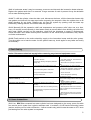
4.3. Water supply – The water supply to the cylinder should be potable water direct from a public
mains water supply with any water treatment equipment functioning correctly.
The unit, should be fed via a 22mm diameter supply pipe direct from the mains water entry point to
the property. It requires a supply pressure of 1.5bar with a flow rate of at least 20litres per minute as a
minimum for it to function, but flow from the outlets will be low if several outlets are used
simultaneously. Correct performance is achieved with supplies between 3bar and 12bar. The cylinder
control equipment is factory set to limit the system operating pressure to 3bar. The maximum supply
pressure into the pressure-reducing valve is 12bar.
4.4. Taps and fittings - All taps and fittings incorporated in the unvented system should have a rated
operating pressure of 7bar or above.
4.5. Location – The cylinder is designed to be floor standing, vertically mounted, indoors, in a frostfree environment. When choosing a suitable location for the cylinder, consideration should be given to
the routing of the discharge pipe to a convenient safe and visible point and also the location of the
solar system.
The cylinder may stand on any flat and level surface, provided that it is sufficiently robust to support
the weight of the cylinder when full of water. (See Technical specifications for weights).
The position of the cylinder should be such that easy access is provided for servicing the controls and
replacing the immersion heater should the need arise.
Pipe runs should be made as short as possible and lagged according to current building
recommendations to prevent heat loss.
4.6. Storage and handling – If the cylinder is not being installed immediately, it should remain in its
carton with all pipe end protective caps in place to prevent damage.
5