1
Post-Capture Sample Processing for Multiplexed Sequencing
Step 4. Prepare samples for multiplexed sequencing
5
concentration of each sample may be accurately determined as described
in “Step 5. Optional: Quantify captured library pools by QPCR” on
page 72.
Sequencing run setup guidelines
If samples will not be further combined in post-capture pools, proceed to
cluster amplification using the Illumina Paired-End Cluster Generation Kit;
refer to the manufacturer’s instructions for this step. The optimal seeding
concentration for cluster amplification from SureSelectXT2 DNA libraries is
approximately 6 to 8 pM.
NOTE
The optimal seeding concentration may vary, depending on the method used for library
quantification and fragment size distribution.
For sequencing exome captures, Agilent recommends a cluster density of
approximately 800K to 900K clusters/mm3. If sequencing smaller captures,
with or without pooling, the cluster density can be adjusted appropriately
for improved base quality and amount of coverage desired.
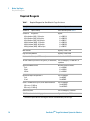
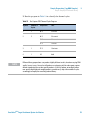
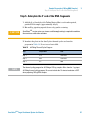
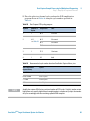
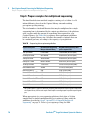
Sequencing runs must be set up to perform an 8-nt index read. For the
HiSeq platform, use the Cycles settings shown in Table 31. Cycle number
settings can be specified on the Run Configuration screen of the
instrument control software interface after choosing Custom from the
index type selection buttons.
For complete index sequence information, see the Reference chapter
starting on page 75.
Table 31
HiSeq platform Run Configuration screen Cycle Number settings*
Run Segment
Cycle Number
Read 1
100
Index 1 (i7)
9
Index 2 (i5)
0
Read 2
100
* Settings apply to v3.0 SBS chemistry.
SureSelectXT2 Target Enrichment System for Illumina
71