1
Information and Instructions
General Information
General
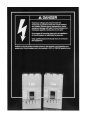
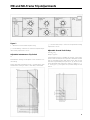
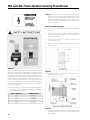
MD and ND-Frame Solid State Sensitrip style breakers of the
Sentron family, as shown on page 5, are for use in individual
enclosures, switchboards, and power distribution panel
boards. They are available both as 80% and 100% rated
devices and in three interruption ranges as shown in the table
below.
AAAA
AAAA
AAAA
AAAA
AAAA
AAAA
AAAA
AA
AAAA
AAAA
AAAA
AAAA
AAAA
AAAA
AAAA
AAAA
AAAA
AAAA
AAAA
AAAA
AAAA
AAAAA
AAAA
AAAA
AA
AAAA
AAAAAA
AAAA
AA
AAAA
AAAA
AAAA
AAAA
A
AA
AAAA
AA
AAAA
AAAAAAAA
AAAAAAAAAAAA
A
AAAAAAAAAAAAA
Symmetrical RMS Amperes UL Interruption Ratings
Interruption
Rating
Type
240V AC
480V AC
600V AC
Standard
SMD6-SND6
65kA
50kA
25kA
Circuit Breaker Operation
High Rating
SHMD6-SHND6
100kA
65kA
50kA
Current Limiting
SCMD6-SCND6
200kA
100kA*
65kA*
With the mechanism latched and the contacts open, the
operating handle will be in the OFF position. Moving the
handle to the ON position closes the contacts and establishes
a circuit through the circuit breaker. Under overload or short
circuit conditions sufficient to trip or open the breaker automatically, the operating handle moves to a position between
ON and OFF To relatch the circuit breaker after automatic
operation, move the operating handle to the extreme OFF
position. The circuit breaker is now ready for reclosing.
*Not current limiting at 480 v AC and 600 v AC
SCMD6 and SCND6 type circuit breakers are designed to
meet the requirement of current limiting as outlined in the
National Electric Code, article 240-11 (1) and UL 489(2)
standards. SCMD6 and SCND6 type circuit breakers are
fuseless and therefore eliminate the requirement of locating
and replacing blown fuses should a high current fault occur.
The common trip feature of the circuit breaker is completely
retained so that all poles of the circuit breaker open when
caused to trip due to an overcurrent condition.
Pressure wire connectors, suitable for use with aluminum or
copper wire are available for all MD and ND-Frame circuit
breakers. Rear connection studs or plug-in connector(3)
assemblies are also available. The latter mounting arrangement permits the removal of the circuit breaker from its leads
without physically coming in contact with either the line or
load terminals. UL listed special features such as a shunt trip,
auxiliary and alarm switches and undervoltage trip devices
are available for internal mounting. The installation and/or
removal of these devices is to be accomplished by qualified
personnel only. Information concerning special features can
be found on page 58.
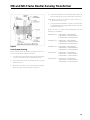
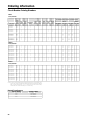
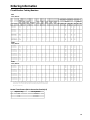
The chart below illustrates the functions available in all
Sentron Solid State Sensitrip circuit breakers.
Breaker
Suffix
Letters AA
AAAA
AAAA
AAAA
AAAA
AAAA
AAAA
Adjustments
AAAA
AAAA
AAAA
AAAA
A
AAAA
AAAA
AAAA
AA
A
AG
ANT AAAA
ANGT
AAAA
AAAA
AAAA
AAAA
A
AAAA
AAAA
AAAA
AAAA
AAAA
AAAA
A ✓ AAAA
AAAA
AAAA
Long
Time Adj.AAAA
✓
✓
✓
Current Setting
Adj.
Long Time Delay
Adj.
Instantaneous
Setting
Adj.
Short Time Pick Up
Adj.
Short Time Delay
Adj.
Short Time I²t
Pick Up
Adj.
Ground Fault
Pick Up
Adj.
Ground Fault Delay
✓
✓
✓
✓
✓
✓
✓
✓
✓
✓
✓
✓
✓
✓
✓
✓
✓
✓
The overcenter toggle mechanism is trip free of the operating
handle. The circuit breaker therefore, cannot be held closed
by means of the handle should a tripping condition exist. After
automatic operation, the handle will assume an intermediate
position between ON and OFF, thus displaying a clear
indication of tripping.
Maintenance
Experience has shown that properly applied molded case
circuit breakers normally do not require maintenance. However, some industrial users may choose to establish an
inspection and maintenance procedure to be carried out on
a regular basis. For detailed information, consult applicable
NEMA publications or your local Siemens sales office.
(1) National Electrical Code (240-11) A current limiting overcurrent protective device, which,
when interrupting currents in its current limiting range, will reduce the current flowing in the
faulted circuit to a magnitude substantially less than that obtainable in the same circuit, if the
device were replaced with a solid conductor having comparable impedance.
(2) Underwriters Laboratories (UL 489, Par 2.5) A circuit breaker that does not employ a fusible
element and that when operating within its current limiting range, limits the let-through 12t to
a value less than the I2t of a 1/2 cycle wave of the symmetrical prospective current.
(3) Plug-in assembly not available for ND-Frame
3