1
Forterm
Serial Solutions
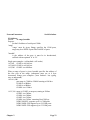
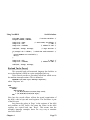
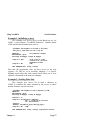
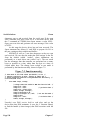
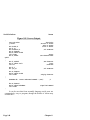
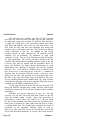
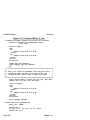
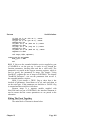
if( (brk .LT. 0) .OR. (brk .GT. 1) ) return
registers.al = brk
if( (par .LT. 0) .OR. (par .GT. 4) ) return
registers.bh = par
if( (data .LT. 0) .OR. (data .GT. 3) ) return
registers.ch = data
if( (stop .LT. 0) .OR. (stop .GT. 1) ) return
registers.bl = stop
if( (Baud .LT. 0) .OR. (Baud .GT. 11) ) return
registers.cl = Baud
call intrpt( 16#14, registers )
C Return true for good numbers
BIOS_x_init = .TRUE.
end
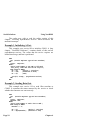
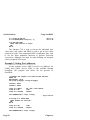
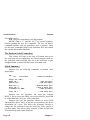
BIOS_X_Init uses the extended initialise service supplied as part
of NewBIOS to set the port up. It works its way though the
function parameters, checking that each has a valid value. The
parameters are stored in the regtype structure registers, which is
used to specify the parameters to intrpt. The chapter "Using
NewBIOS", explains the use of intrpt in FORTRAN. The chapter
"NewBIOS Reference", sets out the parameters that service 4,
the extended initialise, requires.
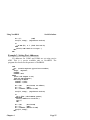
BIOS_X_init returns a .TRUE. flag to show that is has
checked its parameters, found them to be ok, and used them to
set the serial port. If the parameters are bad then a .FALSE. flag
is returned and the serial port is left alone.
Because intrpt is a separate module supplied with
NewCOM and not part of FORTRAN, the interface statement is
used to ensure that the correct parameters etc are passed to the
subroutine.
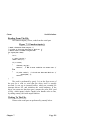
Fitting The Parts Together.
_______________________
_
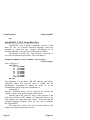
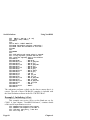
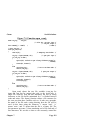
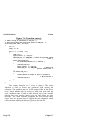
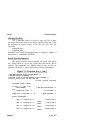
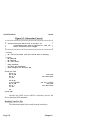
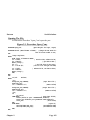
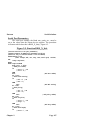
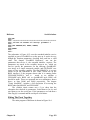
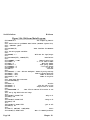
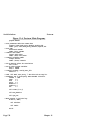
The main block of Forterm is shown below.
Chapter 11
Page 169