1
Analyzing the Target System
General output format
General output format
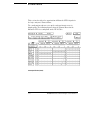
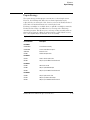
The next few paragraphs describe the general output format of the inverse
assemblers.
Numeric Format
Unless a value is followed by a suffix character, numeric output from the
inverse assembler is in hexadecimal format. For example, decimal values
have a period (.) as the suffix character; binary values have a percent sign
(%).
Missing Opcodes/Operands
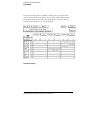
Asterisks (*) in the inverse assembler output indicate missing operands.
Missing operands occur frequently and are primarily due to microcontroller
prefetch activity. Storage qualification or the use of storage windows can also
lead to such occurrences.
Don’t Care Bytes
The CPU32 microcontroller can perform byte transfers. During operand
reads and writes, entire 16-bit (word) values appear on the microcontroller
data bus lines. The inverse assembler will attempt to display "xx" for any
bytes in a transfer that is invalid. You can then determine exactly which byte
of data was used as an operand. If the microcontroller is configured such that
the number of bytes being transferred cannot be determined, an entire word
will be displayed. You must then determine which bytes are valid.
Unexecuted Prefetched Instructions
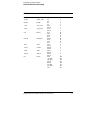
Prefetched instructions which are not executed by the microcontroller are
marked by a hyphen "-" in the first column of the mnemonic/hex field
The logic analyzer captures prefetches even if they are not executed. Care
must be taken when specifying a trigger condition or a storage qualification
that follows an instruction that may cause branching. An unused prefetch
may generate an unwanted trigger.
Since the microcontroller only prefetches at most two words, one technique
to avoid unwanted triggering from unused prefetches is to add "4" to the
trigger address. This trigger condition will only be satisfied if the branch is
not taken.
3–10
E2480A Motorola CPU32 Preprocessor Interface