1
is 40 cubic feet. Be sure the bin is well supported
to withstand the side thrust load of the coal.
3. Do not store coal within boiler installation
clearances, or within the space required for
charging and ash removal.
4. When securing a supplier for your coal and
before ordering coal in large quantities, buy a
bag or two of the coal you intend to use and try
it in your boiler to be sure you are satisfied with its
burning quality. Coal varies in type, size, and
grade. Just as there is good and bad firewood,
there is good and low quality coal.
3. A build-up of creosote over a period of time can
lead to a chimney fire. When ignited, creosote
makes an extremely hot fire, creating a roaring
noise and producing flames and sparks from the
top of the chimney. A 316 stainless steel insulated
chimney liner will reduce the formation of
creosote.
4. One method suggested to reduce creosote
build-up is to deliberately have a hot fire for 15
to 30 minutes each day. This hot fire tends to
burn off the creosote in very small amounts each
day, thus eliminating the build-up problems.
Wood
Disposal of Ashes
1. Burn dry and well seasoned hardwood, with a
moisture content of 20% or less. Seasoned wood
will produce less creosote and will provide more
usable heat. There are about 8000 BTU’s
available as heat from each pound of wood. It
takes about 1000 BTU’s to evaporate each
pound of moisture from a log. The wetter the
wood, the more energy it takes to get the
moisture out of the wood and the less energy
available to heat your home. Seasoned wood
will often show cracks radiating outward, like
wheel spokes, from the heartwood toward the
bark. Green wood will not show this pattern of
cracks.
2. Firewood is best stored outside, under cover, and
in a dry location. Store for a period of at least six
months to a year prior to using.
3. Softwoods, being resinous, are easy to ignite and
burn rapidly with a high flame. However, they
burn out quickly, require frequent attention and
produce more creosote than hardwoods.
Hardwoods, are generally more difficult to ignite,
burn less vigorously and with a shorter flame, but
last longer, produce more heat and less creosote
than softwoods.
4. Do not store wood within boiler installation
clearances, or within the space required for
charging and ash removal.
1. Ashes should be placed in a metal container
with a tight fitting lid. The closed container of
ashes should be placed on a noncombustible
floor or on ground, well away from all
combustible material, pending final disposal. If
the ashes are disposed of by burial in soil or
otherwise locally dispersed, they should be
retained in the closed container until all cinders
have thoroughly cooled.
Chimney
1. The chimney must be a type suitable for solid
fuel and must provide a minimum draft of .04
IN/WG (as measured with a Draft Gage) at the
boiler flue exit to provide for the proper
operation of the boiler. The chimney should be
masonry with tile lining (8" x 8" x 15 ft. high) or
metal, insulated, with a 316 stainless steel internal
surface (9" dia. inside x 15 ft. high). See Figures 11,
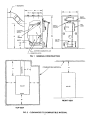
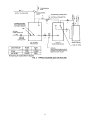
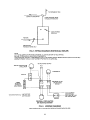
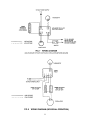
12, and 13 for situations which can cause poor
draft conditions in a chimney.
2. The boiler should be connected to its own
separate flue. Be sure to check state and local
ordinances requirements on chimneys and vent
connections before installing.
3. This boiler can present a serious fire hazard if
connected to a dirty or inadequate chimney.
4. A non-galvanized flue pipe, not provided, shall
be used for connecting the boiler to the
chimney. Materials such a black steel, blue steel
or stainless steel are acceptable.
Creosote
1. When wood burns, the smoke usually contains a
substance called creosote which is dark brown or
black in color. When the stove pipe or chimney
flue temperature drops below 250°F., creosote will
condense on the surfaces. At temperatures below
150°F., the creosote deposit is fluid.
2. The amount of creosote in the stove pipe and
chimney flue lining varies with the intensity of the
fire, the density of the smoke, the dryness of the
wood and the flue temperature. A small intense
fire is preferable to a large smoldering fire, to
reduce the amount of creosote.
Ventilation
1. The area in which the boiler is located must
have an adequate supply of air for combustion.
A total of 400 square inches of free air supply is
required. Open basements without storm
windows or tight fitting doors will generally permit
adequate air infiltration. If the boiler is located in
a separate room with a tight door, ventilation
2