1
Inversion:
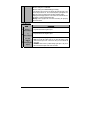
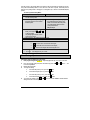
Example: Activating a positive trunk release switch
Problem: The vehicle's power trunk release switch is activated by a positive (+) pulse, and the remote start
module's trunk output is negative (-).
Solution: A relay is used to invert the negative signal from the start module to a positive signal before it is sent
to the OEM switch.
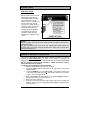
The Relay Connections
85: Connects to the start module's trunk release output wire. This becomes the negative side of the coil.
86: Connects to a fused +12 volts source. This becomes the positive side of the coil.
87: Connects to a fused +12 volts source. This becomes the supply for the positive trunk release.
87A: No connection. This terminal is not used in this application.
30: Connects to the OEM trunk wire in the vehicle.
Comments: At rest, the trunk switch is allowed to operate normally. When the trunk button is pressed, the
negative trunk output from the remote start module triggers the relay. When the relay is activated, +12 volts
from 87 is sent through 30, and the OEM trunk switch is activated, by the positive pulse.
Interruption:
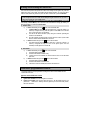
Example: Creating a starter disable relay to prevent unauthorized starting of the vehicle.
Problem: The OEM starter circuit needs to be disabled only when theft is attempted.
Solution: A relay is used to interrupt the OEM starter wire. There is an output on the remote start module
especially for this purpose (starter disable output).
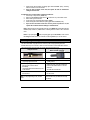
The Relay Connections
85: Connects to the starter disable output wire from the remote start module. This becomes the negative trigger
for the coil.
86: Connects to the vehicle's ignition wire. This becomes the positive trigger for the coil.
87: No connection. This terminal is not used in this application.
The vehicle's OEM start wire is cut. The side of the wire that is still connected to the ignition switch becomes
the “key side” of the starter wire. The side of the wire that is still connected to the starter motor becomes the
“starter side” of the of the starter wire.
87A: Connects to the “key side” of the cut OEM starter wire.
30: Connects to the “starter side” of the cut OEM start wire.
Comments: At rest the relay is not active, and +12 volts on the starter wire passes through the relay (through
87A & 30) normally. The starter disable output wire on the remote start module is activated when the LOCK
button is pressed on the remote control.
When a theft attempt happens, and the thief powers the ignition circuit (to hot-wire the vehicle), and the starter
disable was armed (by the LOCK button on the remote), the starter disable relay activates. The OEM start wire
is now open, (does not make connection) because 30 is no longer connected to 87A, and the vehicle is unable
to start.
Strengthening Current:
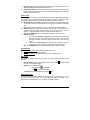
Example: Strengthening an output
Problem: A vehicle has a negative (-) trigger trunk release wire. The module has a negative trunk release
output wire. The remote start module is unable to supply the necessary current to activate the vehicle's trunk
release wire.
Solution: A relay is used to provide the necessary negative current to active the vehicle's trunk release wire.
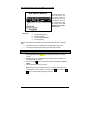
The Relay Connections
85: Connects to the start module's trunk release wire output. This becomes the negative trigger for the coil.
86: Connects to a fused +12 volt source.
87: Connects to a negative source (where the remote start module is grounded). This becomes the supply for
activating the vehicle's trunk release wire.
87A: No connection. This terminal is not used in this application.
30: Connects to the vehicle's trunk release wire.
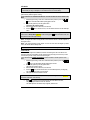
Comments: At rest the relay is not active and the vehicle's trunk release switch is allowed to operate normally.
When the trunk release button is pressed, the start module's trunk release output activates the relay. The
P-8
Installation Guide